December 31, 2025
"Essential Safety Gear to Minimize Injuries from Motorcycle Riding"
**Essential Protective Gear to Minimize Motorcycle Riding Injuries**Motorcycle riding provides an exhilarating experience and a sense of freedom on the open road. Nonetheless, it comes with inherent dangers, making rider safety a major priority. The appropriate protective gear can greatly lower the risk of injuries in case of an accident. Here’s a detailed overview of the critical protective equipment every motorcyclist ought to consider:**1. Helmet:** The helmet is undoubtedly the most vital piece of protective equipment for a motorcyclist. It shields the head, which is especially susceptible in collisions. Helmets are crafted to absorb impact force and lessen the likelihood of head injuries. When selecting a helmet, opt for one that complies with safety regulations such as DOT (Department of Transportation), ECE (Economic Commission for Europe), or Snell certification. A full-face helmet provides the maximum protection, covering the entire head and face.**2. Jacket:** A premium motorcycle jacket defends against abrasions and impacts. Jackets made from leather or reinforced textile materials often come equipped with armor at key impact areas like the shoulders, elbows, and back. Some jackets may also feature reflective materials to improve visibility.**3. Pants:** Motorcycle pants, similar to jackets, are intended to safeguard against abrasions and impacts. They are generally made from sturdy materials such as leather or Kevlar and may incorporate armor at the knees and hips. Riding jeans with reinforced sections are also a favored option for those seeking a blend of protection and style.**4. Gloves:** Gloves shield the hands from abrasions and impacts. They should be constructed from robust materials and include armor or padding on the knuckles and palms. Gloves also facilitate better grip and control over the motorcycle's controls, particularly in adverse weather.**5. Boots:** Resilient boots defend the feet and ankles from injury. Motorcycle boots should rise above the ankles and be crafted from tough materials. They usually feature reinforced toes, heels, and ankle support. Non-slip soles are crucial for maintaining a solid grip on the footpegs and the ground.**6. Body Armor:** Body armor offers extra protection to the chest, back, and limbs. It can be worn under or on top of clothing and is often made from impact-resistant materials. Some riders choose armored vests or suits that provide extensive coverage.**7. Eye Protection:** Eye protection is essential for riders who use open-face helmets or ride without a windscreen. Goggles or shatterproof sunglasses safeguard the eyes from debris, wind, and insects. Many full-face helmets come equipped with built-in visors that offer sufficient eye protection.**8. High-Visibility Gear:** Using high-visibility gear can greatly lower the risk of accidents by making riders more apparent to other road users. Bright colors, reflective strips, and LED lights can boost visibility, particularly in low-light situations.**Conclusion:** Investing in high-quality protective gear is crucial for any motorcyclist. Every piece of equipment serves a significant role in protecting the rider from potential injuries. While the upfront cost may appear steep, the protection and peace of mind they offer are priceless. Riders should ensure their gear fits correctly and is well cared for to optimize its protective functions. Prioritizing safety can render motorcycle riding a safer and more enjoyable endeavor.

**Essential Protective Gear to Minimize Motorcycle Riding Injuries**

Motorcycle riding provides an exhilarating experience and a sense of freedom on the open road. Nonetheless, it comes with inherent dangers, making rider safety a major priority. The appropriate protective gear can greatly lower the risk of injuries in case of an accident. Here’s a detailed overview of the critical protective equipment every motorcyclist ought to consider:

**1. Helmet:**
The helmet is undoubtedly the most vital piece of protective equipment for a motorcyclist. It shields the head, which is especially susceptible in collisions. Helmets are crafted to absorb impact force and lessen the likelihood of head injuries. When selecting a helmet, opt for one that complies with safety regulations such as DOT (Department of Transportation), ECE (Economic Commission for Europe), or Snell certification. A full-face helmet provides the maximum protection, covering the entire head and face.

**2. Jacket:**
A premium motorcycle jacket defends against abrasions and impacts. Jackets made from leather or reinforced textile materials often come equipped with armor at key impact areas like the shoulders, elbows, and back. Some jackets may also feature reflective materials to improve visibility.

**3. Pants:**
Motorcycle pants, similar to jackets, are intended to safeguard against abrasions and impacts. They are generally made from sturdy materials such as leather or Kevlar and may incorporate armor at the knees and hips. Riding jeans with reinforced sections are also a favored option for those seeking a blend of protection and style.

**4. Gloves:**
Gloves shield the hands from abrasions and impacts. They should be constructed from robust materials and include armor or padding on the knuckles and palms. Gloves also facilitate better grip and control over the motorcycle’s controls, particularly in adverse weather.

**5. Boots:**
Resilient boots defend the feet and ankles from injury. Motorcycle boots should rise above the ankles and be crafted from tough materials. They usually feature reinforced toes, heels, and ankle support. Non-slip soles are crucial for maintaining a solid grip on the footpegs and the ground.

**6. Body Armor:**
Body armor offers extra protection to the chest, back, and limbs. It can be worn under or on top of clothing and is often made from impact-resistant materials. Some riders choose armored vests or suits that provide extensive coverage.

**7. Eye Protection:**
Eye protection is essential for riders who use open-face helmets or ride without a windscreen. Goggles or shatterproof sunglasses safeguard the eyes from debris, wind, and insects. Many full-face helmets come equipped with built-in visors that offer sufficient eye protection.

**8. High-Visibility Gear:**
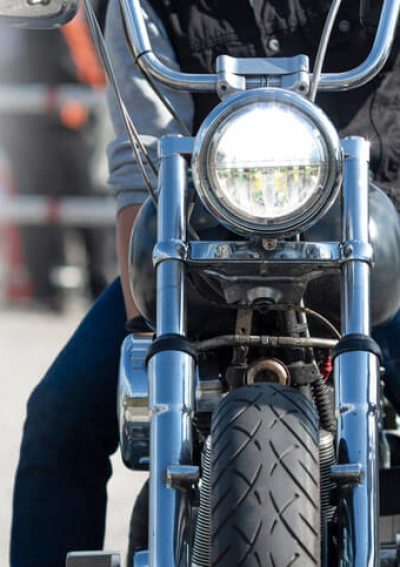
Using high-visibility gear can greatly lower the risk of accidents by making riders more apparent to other road users. Bright colors, reflective strips, and LED lights can boost visibility, particularly in low-light situations.

**Conclusion:**
Investing in high-quality protective gear is crucial for any motorcyclist. Every piece of equipment serves a significant role in protecting the rider from potential injuries. While the upfront cost may appear steep, the protection and peace of mind they offer are priceless. Riders should ensure their gear fits correctly and is well cared for to optimize its protective functions. Prioritizing safety can render motorcycle riding a safer and more enjoyable endeavor.