
**The Influence of Severe Traffic and Excessive Speeding on Miami Highway Accidents**
Miami, a lively city celebrated for its rich culture and beautiful beaches, is also infamous for its severe traffic and elevated rates of highway accidents. The relationship between significant traffic and excessive speeding greatly influences the occurrence and intensity of these incidents, presenting an ongoing challenge for urban planners and law enforcement.
**Severe Traffic: A Double-Edged Sword**
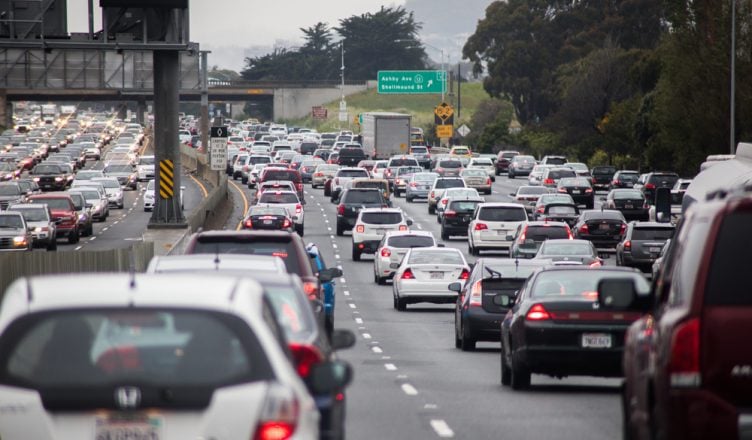
Severe traffic is a common scenario for Miami’s commuters. The city’s fast-growing population, along with its appeal as a key tourist hotspot, has resulted in a strained transportation system. Traffic can paradoxically both heighten and lessen the risk of accidents. On one side, stop-and-go conditions slow down speeds, which can mitigate the impact of crashes. Conversely, the regular stopping and starting heightens the chances of rear-end collisions and sideswipes.
Furthermore, traffic congestion can trigger driver irritation and aggressive driving actions, such as tailgating and erratic lane changes, further increasing the likelihood of accidents. The unpredictability of traffic patterns in congested circumstances frequently surprises drivers, causing abrupt maneuvers that can lead to crashes.
**Excessive Speeding: The Underlying Threat**
Although traffic slows down vehicles, excessive speeding continues to be a widespread problem on Miami highways, especially during off-peak times when there are fewer cars on the road. Speeding diminishes a driver’s capacity to respond to sudden shifts in traffic conditions, such as a vehicle halting suddenly or obstacles on the road. It also extends the distance needed to stop in order to prevent a collision, making high-speed accidents more probable and severe.
Excessive speeding is often intensified by the configuration of Miami’s highways, which may include long, straight stretches that entice drivers to go over the speed limit. Additionally, the blend of local and tourist drivers unfamiliar with the roads can lead to inconsistent driving speeds, heightening the risk of accidents.
**The Combined Impact**
The synergy of heavy traffic and excessive speeding generates a precarious situation on Miami highways. During rush hours, congestion can lead to frustration and risky driving tendencies, while during quieter times, the allure to speed increases. This duality fosters a recurring cycle of danger that complicates attempts to enhance road safety.
**Mitigation Approaches**
Tackling the effects of congestion and excessive speeding on highway accidents necessitates a comprehensive strategy. Upgrading infrastructure, such as increasing road capacity and improving public transit options, can help relieve congestion. Introducing advanced traffic management systems that leverage real-time data to streamline traffic flow can also be beneficial.
To combat speeding, stricter enforcement of speed regulations through speed cameras and tougher penalties can deter reckless driving. Public education initiatives focusing on the hazards of speeding and aggressive driving can also be essential in altering driver behavior.
**Final Thoughts**
The influence of severe traffic and excessive speeding on Miami highway accidents is a multifaceted issue that requires thorough solutions. By addressing both the physical and behavioral components of traffic management, Miami can strive to decrease the frequency and severity of highway accidents, ultimately leading to safer roads for all users.