May 28, 2026
Authoritative Handbook on Tire Repair Expenses in 2026
**Comprehensive Guide to Tire Repair Expenses in 2026**As we enter 2026, the automotive sector continues to progress, bringing along the expenses tied to vehicle upkeep, including tire repairs. Grasping the costs related to tire patching is essential for car owners keen on keeping their tires in good shape and cost-effective. This guide presents an extensive summary of what to anticipate concerning tire patch costs in 2026.**Elements Affecting Tire Patch Expenses**1. **Nature of Tire Damage**: The type and severity of the damage largely affect the price. Minor punctures from nails or screws are usually cheaper to fix than sidewall damage or significant tears.2. **Type of Tire**: The category of tire—be it standard, performance, or off-road—can influence the cost. Performance and specialized tires generally necessitate pricier materials and expertise for repairs.3. **Repair Technique**: Various approaches exist for tire patching, including plug repairs, patch repairs, and combination repairs. Each approach carries its own cost ramifications, with combination repairs often being the priciest due to the involved materials and labor.4. **Labor Expenses**: Labor charges can differ considerably based on location and the particular service provider. Metropolitan areas with higher living expenses usually have elevated labor rates compared to rural regions.5. **Service Provider Choice**: Opting between a dealership, a nationwide tire chain, or an independent repair facility can affect pricing. Dealerships generally impose higher charges, while independent shops might provide more competitive rates.**Typical Cost of Tire Patching in 2026**In 2026, the typical expense for patching a tire is between $20 and $60 per tire. This range reflects the various factors discussed previously. Here's a breakdown:- **Plug Repair**: Usually priced between $20 and $30. This method is appropriate for minor punctures in the tread area. - **Patch Repair**: Costs vary from $30 to $50. This technique involves sealing the tire's inner liner and is more durable than a plug. - **Combination Repair**: The most thorough option, costing between $40 and $60. It merges both plug and patch techniques for a more reliable repair.**Further Considerations**- **Warranties and Guarantees**: Some repair centers provide warranties on their services, offering reassurance and potentially saving money over time. - **Do-It-Yourself Repairs**: Though DIY repair kits are available and can be budget-friendly, they might not deliver the same reliability as professional repairs. It’s crucial to evaluate the risks and benefits.**Closing Thoughts**Comprehending the expenses connected with tire patching in 2026 is vital for car owners who want to manage their tires effectively. By examining the type of damage, tire type, repair method, labor costs, and choice of service provider, informed decisions can be made that balance cost and quality. Consistent tire maintenance and timely repairs not only enhance the lifespan of your tires but also promote safety on the road.

**Comprehensive Guide to Tire Repair Expenses in 2026**

As we enter 2026, the automotive sector continues to progress, bringing along the expenses tied to vehicle upkeep, including tire repairs. Grasping the costs related to tire patching is essential for car owners keen on keeping their tires in good shape and cost-effective. This guide presents an extensive summary of what to anticipate concerning tire patch costs in 2026.

**Elements Affecting Tire Patch Expenses**

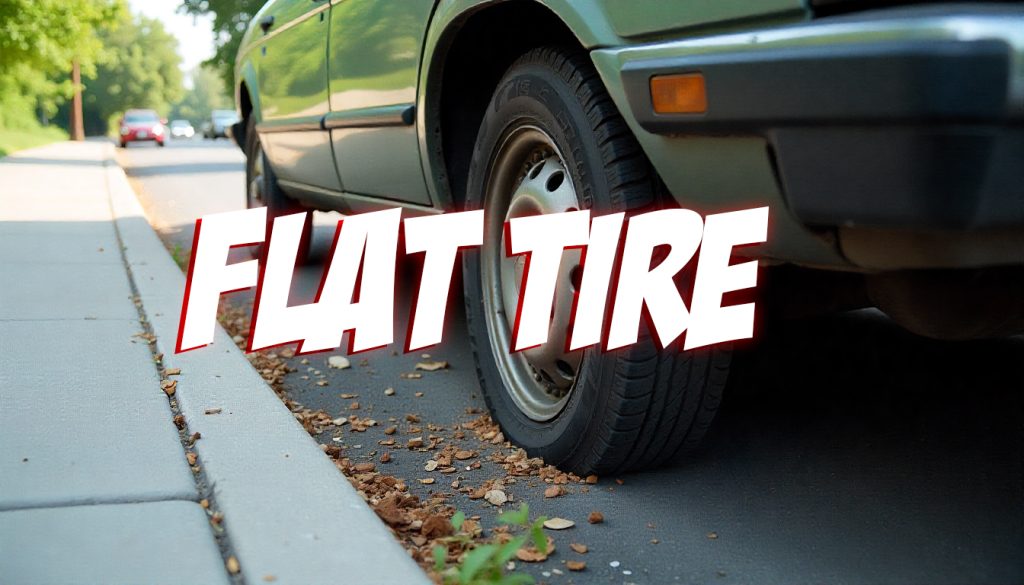
1. **Nature of Tire Damage**: The type and severity of the damage largely affect the price. Minor punctures from nails or screws are usually cheaper to fix than sidewall damage or significant tears.

2. **Type of Tire**: The category of tire—be it standard, performance, or off-road—can influence the cost. Performance and specialized tires generally necessitate pricier materials and expertise for repairs.

3. **Repair Technique**: Various approaches exist for tire patching, including plug repairs, patch repairs, and combination repairs. Each approach carries its own cost ramifications, with combination repairs often being the priciest due to the involved materials and labor.

4. **Labor Expenses**: Labor charges can differ considerably based on location and the particular service provider. Metropolitan areas with higher living expenses usually have elevated labor rates compared to rural regions.

5. **Service Provider Choice**: Opting between a dealership, a nationwide tire chain, or an independent repair facility can affect pricing. Dealerships generally impose higher charges, while independent shops might provide more competitive rates.

**Typical Cost of Tire Patching in 2026**

In 2026, the typical expense for patching a tire is between $20 and $60 per tire. This range reflects the various factors discussed previously. Here’s a breakdown:

– **Plug Repair**: Usually priced between $20 and $30. This method is appropriate for minor punctures in the tread area.
– **Patch Repair**: Costs vary from $30 to $50. This technique involves sealing the tire’s inner liner and is more durable than a plug.
– **Combination Repair**: The most thorough option, costing between $40 and $60. It merges both plug and patch techniques for a more reliable repair.

**Further Considerations**

– **Warranties and Guarantees**: Some repair centers provide warranties on their services, offering reassurance and potentially saving money over time.
– **Do-It-Yourself Repairs**: Though DIY repair kits are available and can be budget-friendly, they might not deliver the same reliability as professional repairs. It’s crucial to evaluate the risks and benefits.

**Closing Thoughts**

Comprehending the expenses connected with tire patching in 2026 is vital for car owners who want to manage their tires effectively. By examining the type of damage, tire type, repair method, labor costs, and choice of service provider, informed decisions can be made that balance cost and quality. Consistent tire maintenance and timely repairs not only enhance the lifespan of your tires but also promote safety on the road.