July 14, 2026
Challenges Confronting Pakistan's E-Bike Program: Battery, Regulatory, and Localization Concerns
**Obstacles Encountered by Pakistan's E-Bike Program: Battery, Regulatory, and Localization Concerns**Pakistan's e-bike program represents an encouraging leap toward eco-friendly transportation, with the goal of decreasing pollution and reliance on fossil fuels. Nonetheless, various obstacles impede the widespread embrace of e-bikes within the nation. These obstacles chiefly pertain to battery technology, regulatory frameworks, and localization concerns.**Battery Technology Obstacles**A primary obstacle is the battery technology utilized in e-bikes. The effectiveness, price, and longevity of batteries are pivotal aspects that affect consumer approval. At present, most e-bikes depend on lithium-ion batteries, which are costly and have restricted availability within Pakistan. The steep prices of these batteries render e-bikes less accessible for the typical consumer. Furthermore, the absence of domestic manufacturing facilities for batteries amplifies dependence on imports, thus raising costs.The functionality of batteries in extreme weather conditions also raises concerns. Pakistan endures a broad spectrum of temperatures, and the performance of lithium-ion batteries can drastically decline in high heat, influencing the range and dependability of e-bikes. It is vital to develop sturdier battery technologies that can endure local climatic conditions for the e-bike program to thrive.**Regulatory Obstacles**Regulatory challenges additionally present notable barriers. Presently, there is a deficiency of comprehensive policies and regulations that manage the utilization of e-bikes in Pakistan. This encompasses issues relating to licensing, registration, and safety norms. The lack of explicit guidelines generates uncertainty for both producers and consumers.Additionally, there is a necessity for infrastructure enhancement to back e-bikes, such as charging stations and dedicated lanes. In the absence of suitable infrastructure, the uptake of e-bikes remains restricted. The government should craft a regulatory framework that promotes investment in infrastructure and provides incentives for consumers to transition to e-bikes.**Localization Concerns**Localization represents another significant challenge. The e-bike sector in Pakistan is heavily dependent on imported components, which elevates costs and restricts the potential for local job creation. To address this, the development of local supply chains and manufacturing capabilities is imperative.Fostering local production of e-bike components, including frames, motors, and batteries, can greatly lower costs and enhance accessibility for the general populace. This necessitates investment in research and development, alongside collaboration among the government, private sector, and educational institutions to cultivate the requisite expertise and infrastructure.**Conclusion**Although Pakistan's e-bike initiative holds substantial potential for sustainable transportation, tackling the challenges associated with battery technology, regulatory frameworks, and localization is vital for its prosperity. By investing in local manufacturing, formulating effective regulatory policies, and enhancing battery technology, Pakistan can pave the way for a cleaner, more efficient future in transportation.

**Obstacles Encountered by Pakistan’s E-Bike Program: Battery, Regulatory, and Localization Concerns**

Pakistan’s e-bike program represents an encouraging leap toward eco-friendly transportation, with the goal of decreasing pollution and reliance on fossil fuels. Nonetheless, various obstacles impede the widespread embrace of e-bikes within the nation. These obstacles chiefly pertain to battery technology, regulatory frameworks, and localization concerns.

**Battery Technology Obstacles**

A primary obstacle is the battery technology utilized in e-bikes. The effectiveness, price, and longevity of batteries are pivotal aspects that affect consumer approval. At present, most e-bikes depend on lithium-ion batteries, which are costly and have restricted availability within Pakistan. The steep prices of these batteries render e-bikes less accessible for the typical consumer. Furthermore, the absence of domestic manufacturing facilities for batteries amplifies dependence on imports, thus raising costs.

The functionality of batteries in extreme weather conditions also raises concerns. Pakistan endures a broad spectrum of temperatures, and the performance of lithium-ion batteries can drastically decline in high heat, influencing the range and dependability of e-bikes. It is vital to develop sturdier battery technologies that can endure local climatic conditions for the e-bike program to thrive.

**Regulatory Obstacles**

Regulatory challenges additionally present notable barriers. Presently, there is a deficiency of comprehensive policies and regulations that manage the utilization of e-bikes in Pakistan. This encompasses issues relating to licensing, registration, and safety norms. The lack of explicit guidelines generates uncertainty for both producers and consumers.

Additionally, there is a necessity for infrastructure enhancement to back e-bikes, such as charging stations and dedicated lanes. In the absence of suitable infrastructure, the uptake of e-bikes remains restricted. The government should craft a regulatory framework that promotes investment in infrastructure and provides incentives for consumers to transition to e-bikes.

**Localization Concerns**

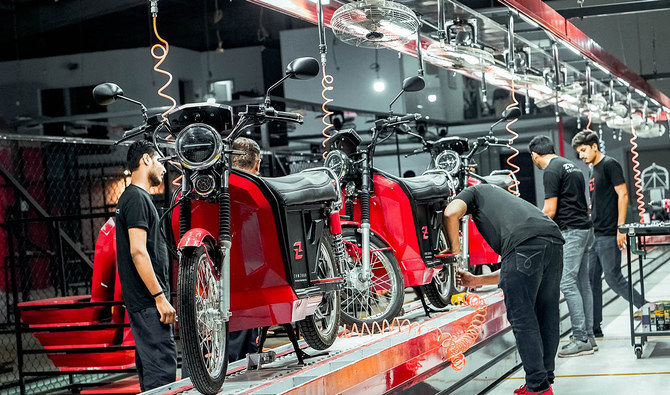
Localization represents another significant challenge. The e-bike sector in Pakistan is heavily dependent on imported components, which elevates costs and restricts the potential for local job creation. To address this, the development of local supply chains and manufacturing capabilities is imperative.

Fostering local production of e-bike components, including frames, motors, and batteries, can greatly lower costs and enhance accessibility for the general populace. This necessitates investment in research and development, alongside collaboration among the government, private sector, and educational institutions to cultivate the requisite expertise and infrastructure.

**Conclusion**

Although Pakistan’s e-bike initiative holds substantial potential for sustainable transportation, tackling the challenges associated with battery technology, regulatory frameworks, and localization is vital for its prosperity. By investing in local manufacturing, formulating effective regulatory policies, and enhancing battery technology, Pakistan can pave the way for a cleaner, more efficient future in transportation.