**Title: Government Initiative Proposes Daily Adjustments to Petrol and Diesel Prices**
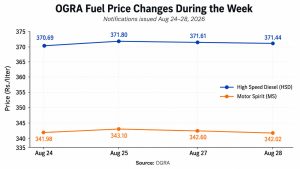
In a bid to establish a more flexible and responsive fuel pricing mechanism, a recent government initiative proposes to enact daily adjustments to petrol and diesel rates. This plan seeks to synchronize domestic fuel rates more closely with fluctuations in the global oil market, ensuring that consumers and businesses pay amounts that reflect current market conditions.
**Justification for the Initiative**
The main reason for this initiative is to improve transparency and competition within the fuel market. By modifying prices on a daily basis, the government intends to close the gap between changes in international oil prices and domestic fuel rates. This could result in fairer pricing for consumers, as fuel expenditures would more accurately align with the global oil market.
**Expected Advantages**
1. **Savings for Consumers**: With daily price revisions, consumers may enjoy immediate decreases in fuel costs when global oil prices fall. This could lead to considerable savings over time, particularly for individuals who depend on fuel for transportation or business activities.
2. **Increased Market Competition**: Daily price fluctuations could promote a more competitive landscape, pushing fuel retailers to provide the most attractive prices to draw in customers. This rivalry could spur innovation and efficiency in the industry.
3. **Stability in the Economy**: By minimizing the delay in price adjustments, the initiative could enhance economic stability. Companies would be better prepared to plan and budget for fuel expenditures, potentially resulting in steadier pricing for goods and services.
**Obstacles and Issues**
1. **Operational Challenges**: Executing daily price revisions may present logistical hurdles for fuel retailers, who would need to consistently and accurately update prices across all locations. This might necessitate substantial investment in technology and infrastructure.
2. **Consumer Uncertainty**: Frequent price modifications might create confusion among consumers, who may struggle to keep up with fluctuating prices. This could call for improved communication efforts to ensure the public is adequately informed about price changes.
3. **Market Instability**: Although the initiative seeks to mirror global market conditions, it may also subject consumers to heightened volatility. Swift price hikes in the international market could result in sudden increases in domestic fuel prices, affecting household finances and business activities.
**Strategy for Implementation**
To tackle these challenges, the proposal recommends a phased approach for implementation. A pilot program could initially be introduced in targeted regions to assess the feasibility and impact of daily price changes. Insights from this pilot would be utilized to improve the system prior to a nationwide launch.
Furthermore, the government intends to collaborate closely with industry stakeholders, including fuel retailers and consumer advocacy organizations, to guarantee a seamless transition. Public awareness initiatives would be vital to educate consumers regarding the new pricing system and its benefits.
**Final Thoughts**
The initiative to introduce daily adjustments to petrol and diesel prices signifies a considerable change in the management of fuel pricing. While it presents potential advantages in terms of transparency and competition, meticulous consideration and planning will be essential to address the related challenges. As the government advances with this initiative, continuous engagement with stakeholders and the public will be crucial for its success.