July 15, 2026
Essential Factors to Consider When Buying an Electric Vehicle in Pakistan (2026)
**Important Factors to Consider When Buying an Electric Vehicle in Pakistan (2026)**The automotive sector in Pakistan is swiftly transforming, with electric vehicles (EVs) gaining traction among consumers. As the nation shifts towards a more sustainable future, multiple elements must be taken into account when buying an electric vehicle in 2026. Below are the important factors:1. **Government Policies and Incentives**: The Pakistani government has rolled out several incentives to encourage the uptake of EVs, such as tax cuts, import duty waivers, and subsidies. Potential purchasers should remain updated on the latest regulations to fully benefit from these incentives.2. **Charging Infrastructure**: The presence of charging stations is vital for EV users. In 2026, Pakistan has broadened its charging network, although the concentration and access can differ by area. Buyers should evaluate the charging facilities in their vicinity and explore home charging options if public choices are insufficient.3. **Battery Life and Range**: The distance an EV can travel is a key consideration, particularly in a nation with varied terrains. Buyers ought to assess the battery longevity and range of various models to ensure they satisfy their daily commuting requirements and long-range travel plans.4. **Cost of Ownership**: Although the upfront price of an EV may be higher compared to conventional automobiles, the overall cost of ownership could be lower due to diminished fuel and maintenance costs. Buyers should estimate potential long-term savings and investigate financing possibilities that may be accessible.5. **Environmental Impact**: A primary benefit of EVs is their reduced ecological footprint. Consumers should reflect on the environmental perks of opting for an electric vehicle, including lower emissions and a reduced dependence on fossil fuels.6. **Model Availability and Features**: The EV market in Pakistan is growing, with an increasing variety of models and features being offered. Buyers should explore the latest vehicles, comparing attributes like safety, technology, and comfort to identify a car that fits their requirements.7. **Resale Value**: As the market develops, the resale value of EVs is becoming a significant factor. Buyers should investigate the anticipated depreciation of various models and ponder how technological advancements might influence future resale prices.8. **Local Climate and Terrain**: Pakistan's diverse weather and geography can impact EV performance. Buyers should take into account how elements like extreme weather and hilly areas may affect battery efficiency and vehicle functionality.9. **Manufacturer Support and Warranty**: Trustworthy manufacturer support and extensive warranties are crucial for assurance. Buyers should assess the after-sales service, warranty provisions, and spare parts availability for different brands.10. **Community and Social Influence**: The expanding network of EV owners in Pakistan can offer valuable insights and assistance. Participating in local EV groups and forums can aid buyers in making well-informed choices and staying current with the latest trends and advancements.In summary, acquiring an electric vehicle in Pakistan in 2026 necessitates careful examination of various factors, from government incentives to charging facilities and model characteristics. By thoroughly analyzing these elements, consumers can make well-informed decisions that align with their needs and foster a more sustainable future.

**Important Factors to Consider When Buying an Electric Vehicle in Pakistan (2026)**

The automotive sector in Pakistan is swiftly transforming, with electric vehicles (EVs) gaining traction among consumers. As the nation shifts towards a more sustainable future, multiple elements must be taken into account when buying an electric vehicle in 2026. Below are the important factors:

1. **Government Policies and Incentives**: The Pakistani government has rolled out several incentives to encourage the uptake of EVs, such as tax cuts, import duty waivers, and subsidies. Potential purchasers should remain updated on the latest regulations to fully benefit from these incentives.

2. **Charging Infrastructure**: The presence of charging stations is vital for EV users. In 2026, Pakistan has broadened its charging network, although the concentration and access can differ by area. Buyers should evaluate the charging facilities in their vicinity and explore home charging options if public choices are insufficient.

3. **Battery Life and Range**: The distance an EV can travel is a key consideration, particularly in a nation with varied terrains. Buyers ought to assess the battery longevity and range of various models to ensure they satisfy their daily commuting requirements and long-range travel plans.

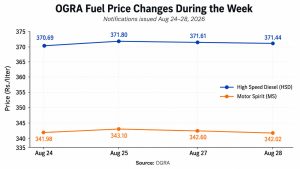
4. **Cost of Ownership**: Although the upfront price of an EV may be higher compared to conventional automobiles, the overall cost of ownership could be lower due to diminished fuel and maintenance costs. Buyers should estimate potential long-term savings and investigate financing possibilities that may be accessible.

5. **Environmental Impact**: A primary benefit of EVs is their reduced ecological footprint. Consumers should reflect on the environmental perks of opting for an electric vehicle, including lower emissions and a reduced dependence on fossil fuels.

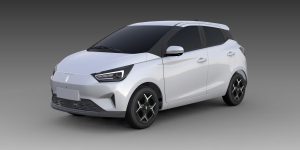
6. **Model Availability and Features**: The EV market in Pakistan is growing, with an increasing variety of models and features being offered. Buyers should explore the latest vehicles, comparing attributes like safety, technology, and comfort to identify a car that fits their requirements.

7. **Resale Value**: As the market develops, the resale value of EVs is becoming a significant factor. Buyers should investigate the anticipated depreciation of various models and ponder how technological advancements might influence future resale prices.

8. **Local Climate and Terrain**: Pakistan’s diverse weather and geography can impact EV performance. Buyers should take into account how elements like extreme weather and hilly areas may affect battery efficiency and vehicle functionality.

9. **Manufacturer Support and Warranty**: Trustworthy manufacturer support and extensive warranties are crucial for assurance. Buyers should assess the after-sales service, warranty provisions, and spare parts availability for different brands.

10. **Community and Social Influence**: The expanding network of EV owners in Pakistan can offer valuable insights and assistance. Participating in local EV groups and forums can aid buyers in making well-informed choices and staying current with the latest trends and advancements.

In summary, acquiring an electric vehicle in Pakistan in 2026 necessitates careful examination of various factors, from government incentives to charging facilities and model characteristics. By thoroughly analyzing these elements, consumers can make well-informed decisions that align with their needs and foster a more sustainable future.