Article Overview
- After five years, BMW plug-in hybrids depreciate 3.3 percentage points more than their gasoline counterparts.
- The PHEVs in the 5 Series and 7 Series demonstrate lower depreciation compared to the fully electric BMW i5 and i7.
- The M5 Touring achieves the highest projected resale value among BMW PHEVs.
Plug-in hybrids strive to merge the advantages of electric and gasoline vehicles, providing adequate electric range for short distances while keeping an internal combustion engine available for longer trips. This arrangement eases concerns over range and charging that fully electric vehicles face, enabling reduced fuel usage when regularly charged. Nonetheless, this adaptability does not consistently result in improved resale values. Based on iSeeCars’ 2026 resale-value statistics, BMW’s plug-in hybrids generally depreciate more than their gasoline models after five years, although the gap is narrower compared to fully electric variants. Below is a thorough comparison between PHEVs and their gasoline and electric counterparts.
BMW 3 Series PHEV vs. 3 Series
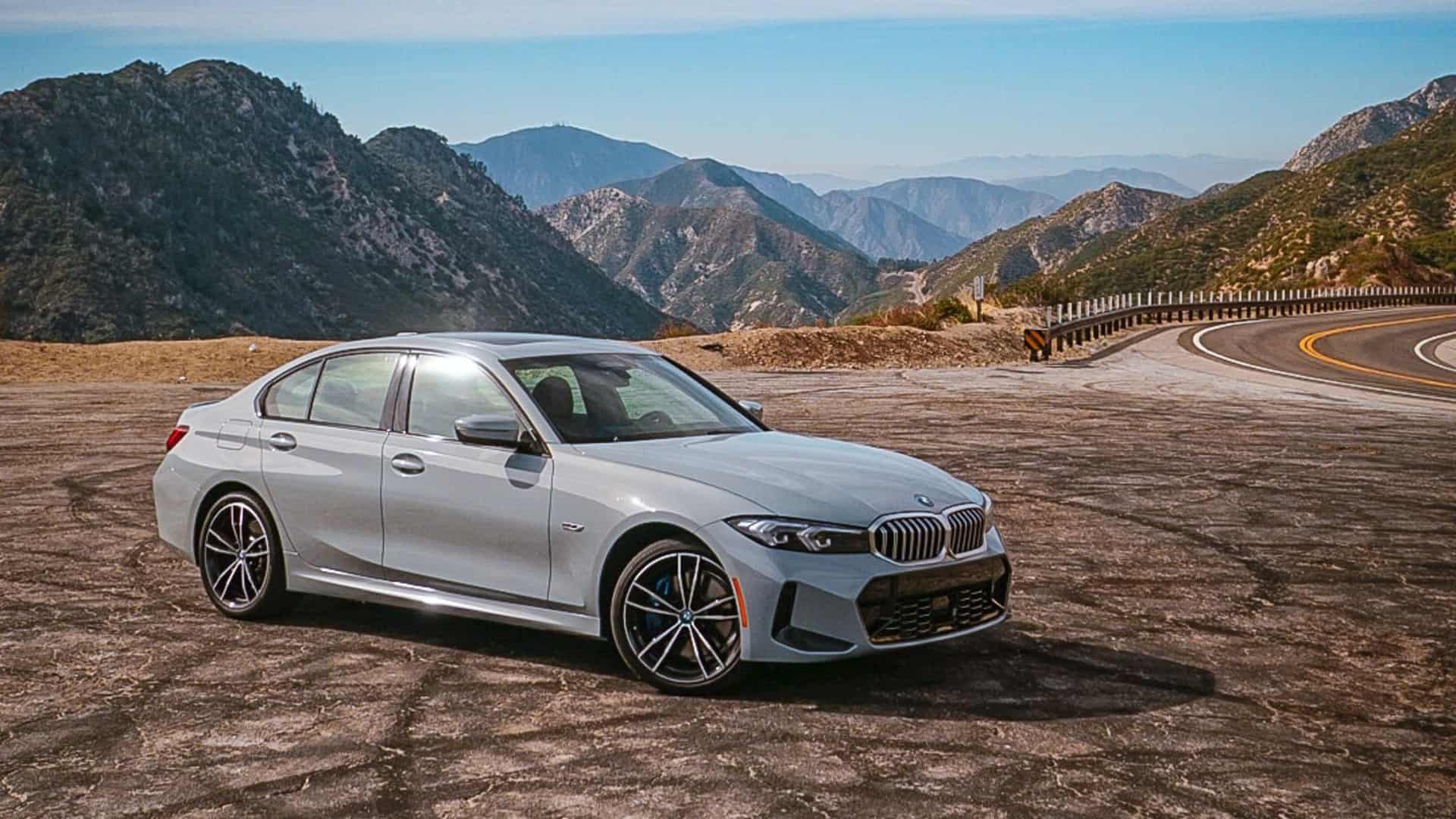
The BMW 3 Series exhibits the strongest resale value among comparable models. The traditional 3 Series retains 53.2 percent of its initial value after five years, whereas the plug-in hybrid holds 49.9 percent, leading to a 3.3-percentage-point disadvantage. Regarding depreciation, the standard 3 Series loses 46.8 percent of its value, while the PHEV depreciates by 50.1 percent.
The difference in average used prices is similarly small. iSeeCars lists the average price for a five-year-old 3 Series at $27,765, compared to $26,163 for the PHEV. This positions the plug-in variant as desirable in the used market, particularly for buyers who can frequently utilize its electric range, reinforcing that the plug-in 3er is one of the most overlooked hybrids.
BMW X5 PHEV vs. X5
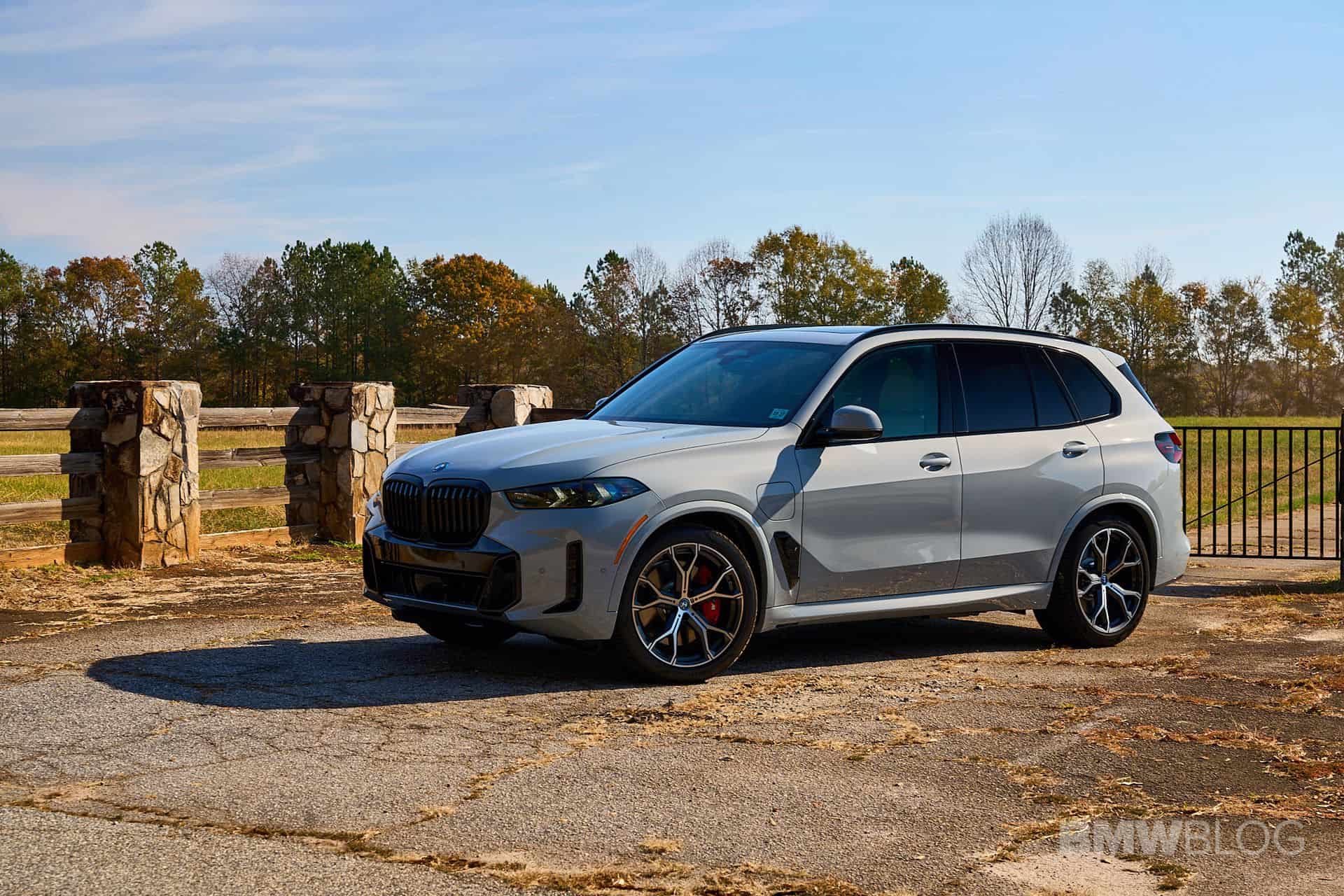
The gasoline X5 maintains 46.9 percent of its value after five years, while the X5 plug-in hybrid keeps 43.6 percent. iSeeCars estimates the average price for a five-year-old X5 at $38,642, while the PHEV averages $37,667. This smaller difference, in spite of the same percentage retention gap, makes the PHEV an appealing used option, providing enhanced power and efficiency without the premium of a new car.
BMW 5 Series PHEV vs. 5 Series and i5
The 5 Series exemplifies how the market assesses various powertrains. The gasoline 5 Series holds 44.1 percent of its value after five years, the PHEV retains 40.8 percent, while the fully electric i5 retains only 30 percent. The PHEV is 3.3 percentage points behind the gasoline model, but the gap with the EV is substantially larger at 10.8 points. iSeeCars forecasts that the gasoline 5 Series will lose 55.9 percent of its original value, the PHEV 59.2 percent, and the i5 70 percent.
Average prices for five-year-old combustion models mirror this trend, with the conventional 5 Series averaging $32,330 against $29,189 for the plug-in hybrid. The projected retention for the i5 indicates sharper depreciation. For those keen on electric driving, the plug-in hybrid provides a financial compromise, retaining more value than the i5 while not fully competing with the gasoline model.
BMW 7 Series PHEV vs. 7 Series and i7
Article Overview
- After five years, BMW plug-in hybrids depreciate 3.3 percentage points more than their gasoline counterparts.
- The PHEVs in the 5 Series and 7 Series demonstrate lower depreciation compared to the fully electric BMW i5 and i7.
- The M5 Touring achieves the highest projected resale value among BMW PHEVs.
Plug-in hybrids strive to merge the advantages of electric and gasoline vehicles, providing adequate electric range for short distances while keeping an internal combustion engine available for longer trips. This arrangement eases concerns over range and charging that fully electric vehicles face, enabling reduced fuel usage when regularly charged. Nonetheless, this adaptability does not consistently result in improved resale values. Based on iSeeCars’ 2026 resale-value statistics, BMW’s plug-in hybrids generally depreciate more than their gasoline models after five years, although the gap is narrower compared to fully electric variants. Below is a thorough comparison between PHEVs and their gasoline and electric counterparts.
BMW 3 Series PHEV vs. 3 Series
The BMW 3 Series exhibits the strongest resale value among comparable models. The traditional 3 Series retains 53.2 percent of its initial value after five years, whereas the plug-in hybrid holds 49.9 percent, leading to a 3.3-percentage-point disadvantage. Regarding depreciation, the standard 3 Series loses 46.8 percent of its value, while the PHEV depreciates by 50.1 percent.
The difference in average used prices is similarly small. iSeeCars lists the average price for a five-year-old 3 Series at $27,765, compared to $26,163 for the PHEV. This positions the plug-in variant as desirable in the used market, particularly for buyers who can frequently utilize its electric range, reinforcing that the plug-in 3er is one of the most overlooked hybrids.
BMW X5 PHEV vs. X5
The gasoline X5 maintains 46.9 percent of its value after five years, while the X5 plug-in hybrid keeps 43.6 percent. iSeeCars estimates the average price for a five-year-old X5 at $38,642, while the PHEV averages $37,667. This smaller difference, in spite of the same percentage retention gap, makes the PHEV an appealing used option, providing enhanced power and efficiency without the premium of a new car.
BMW 5 Series PHEV vs. 5 Series and i5
The 5 Series exemplifies how the market assesses various powertrains. The gasoline 5 Series holds 44.1 percent of its value after five years, the PHEV retains 40.8 percent, while the fully electric i5 retains only 30 percent. The PHEV is 3.3 percentage points behind the gasoline model, but the gap with the EV is substantially larger at 10.8 points. iSeeCars forecasts that the gasoline 5 Series will lose 55.9 percent of its original value, the PHEV 59.2 percent, and the i5 70 percent.
Average prices for five-year-old combustion models mirror this trend, with the conventional 5 Series averaging $32,330 against $29,189 for the plug-in hybrid. The projected retention for the i5 indicates sharper depreciation. For those keen on electric driving, the plug-in hybrid provides a financial compromise, retaining more value than the i5 while not fully competing with the gasoline model.