
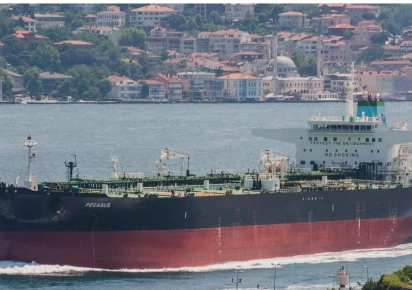
**Title: Pakistan Expands Energy Sources: Investigating Non-Middle Eastern Oil Imports**
In a calculated strategy to broaden its energy portfolio and ensure energy stability, Pakistan is actively looking to source oil from non-Middle Eastern suppliers. This choice arises amidst variable oil prices, geopolitical strains, and the necessity to lessen reliance on conventional providers in the Middle East.
**Background:**
Traditionally, Pakistan has depended significantly on the Middle East for its oil supplies, with nations like Saudi Arabia and the United Arab Emirates serving as primary sources. However, the unstable geopolitical environment in the region, combined with a global movement towards energy diversification, has led Pakistan to investigate alternative options.
**Reasons for Diversification:**
1. **Geopolitical Stability:** The Middle East, while abundant in oil, frequently experiences geopolitical unrest. By diversifying its oil sources, Pakistan intends to reduce the risks tied to supply interruptions caused by regional strife or diplomatic issues.
2. **Economic Factors:** Diversifying oil imports can result in more competitive pricing and improved trade terms. By expanding its supplier base, Pakistan is positioned to negotiate more advantageous deals and potentially lower its oil import costs.
3. **Energy Security:** Securing a consistent and dependable oil supply is vital for Pakistan’s energy security. By engaging with non-Middle Eastern sources, Pakistan can protect against possible supply disruptions and uphold a stable energy framework.
4. **Global Energy Shift:** As the world moves towards greener energy sources, Pakistan is also aiming to align its energy strategies with global developments. Diversifying its oil imports represents a step towards a more equitable and sustainable energy policy.
**Potential Non-Middle Eastern Sources:**
1. **Russia:** Boasting extensive oil reserves, Russia stands out as a practical alternative for Pakistan. Both nations have been discussing energy collaboration, and importing Russian oil could enhance their bilateral relations.
2. **Central Asia:** Kazakhstan and Azerbaijan are rising as key oil producers. Their geographical closeness to Pakistan and existing infrastructure render them appealing choices for oil imports.
3. **Africa:** Nigeria and Angola rank among the foremost oil exporters in Africa. Collaborating with African nations may unlock new avenues for energy trade and cooperation.
4. **Latin America:** Venezuela and Brazil, endowed with significant oil reserves, provide potential opportunities for Pakistan to broaden its oil import sources.
**Challenges and Considerations:**
Though the shift towards non-Middle Eastern oil imports is strategic, it presents certain challenges. Pakistan will have to invest in infrastructure to adapt to new supply routes and ensure alignment with its refining capabilities. Moreover, forming new trade agreements and securing favorable terms will necessitate diplomatic and economic initiatives.
**Conclusion:**
Pakistan’s initiative to procure non-Middle Eastern oil imports reflects a progressive method to bolster its energy security and economic stability. By diversifying its energy sources, Pakistan can adeptly navigate the intricacies of the global oil landscape and prepare itself for a more sustainable energy future. As the nation continues to seek new partnerships and opportunities, this approach may lead to a stronger and more varied energy sector.