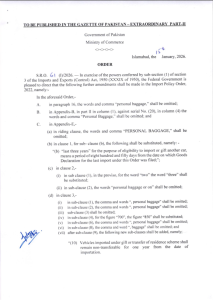
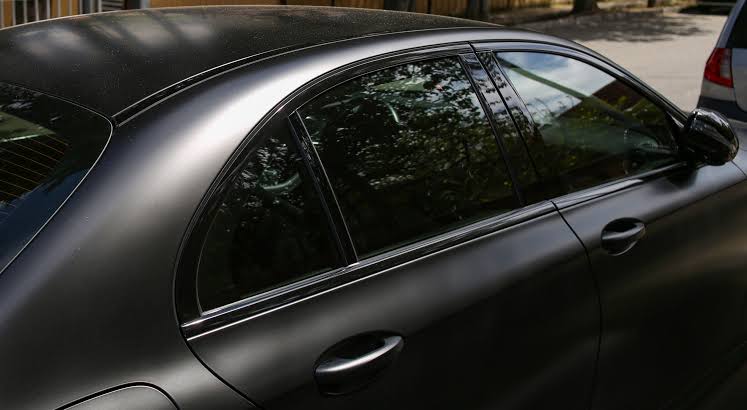
**Pakistan Weighs Annual Permit Scheme for Tinted Vehicle Windows**
In a move to reconcile security issues with the public’s desire for privacy and sun protection, Pakistan is evaluating the establishment of an annual permit scheme for tinted vehicle windows. This suggested scheme aims to govern the application of tinted windows, which have sparked controversy due to their possible exploitation in criminal acts and their advantages in offering relief from extreme weather.
**Overview and Existing Regulations**
At present, the usage of tinted windows in Pakistan is governed by the Motor Vehicle Ordinance, which limits the extent of tint permitted on vehicle windows. Nonetheless, the enforcement of these regulations has been uneven, resulting in a surge of vehicles featuring unlawful tints. The current laws allow for a light tint that permits a minimum of 70% light transmission, yet numerous vehicles on the roads surpass this threshold.
**Justification for the Permit Scheme**
The intended annual permit scheme aims to establish a systematic method for the utilization of tinted windows. The government recognizes the valid reasons for tinting, such as diminishing glare, shielding interiors from UV rays, and increasing privacy. However, it also acknowledges the risk of abuse, as heavily tinted windows can hinder visibility for law enforcement and support criminal behavior.
**Principal Elements of the Proposed Scheme**
1. **Application Method**: Vehicle owners would need to submit a permit application via a streamlined approach, potentially involving an online application and validation system. Applicants must provide a rationale for the level of tint they seek.
2. **Evaluation Standards**: Permits would be issued based on defined criteria, including health requirements, security issues, and job-related necessities. For instance, individuals with specific health conditions aggravated by sunlight may receive prioritization.
3. **Yearly Renewal**: The permits would remain valid for one year, requiring annual renewal to maintain compliance with regulations and to reevaluate the necessity for tinting.
4. **Implementation and Consequences**: The scheme would entail stringent enforcement practices, with repercussions for non-adherence. This could encompass fines, vehicle impoundment, or permit revocation for repeated infractions.
5. **Integration of Technology**: To streamline enforcement, the scheme may incorporate technologies like RFID tags or QR codes on permits, enabling law enforcement to swiftly confirm the legitimacy of tinted windows.
**Public and Industry Reaction**
The proposal has elicited varied responses from the public and industry participants. Numerous vehicle owners appreciate the prospect of a legal framework that permits tinting while addressing security issues. However, some voice concerns regarding possible bureaucratic obstacles and the expense of acquiring permits.
Representatives from the automotive sector have expressed interest in partnering with the government to ensure that the regulations are feasible and do not negatively impact vehicle sales. They highlight the necessity for clear rules and efficient processing to prevent market disruptions.
**Final Thoughts**
As Pakistan contemplates the implementation of an annual permit scheme for tinted vehicle windows, the government faces the task of balancing security requirements with public convenience. The success of this initiative will hinge on transparent procedures, equitable assessment standards, and robust enforcement mechanisms. If managed effectively, the scheme could act as a reference for other nations dealing with similar challenges, providing a legal route for tinting while ensuring public safety.