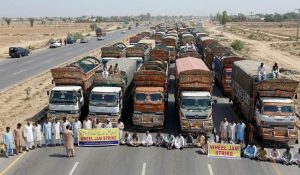

Title: Effects of Recent Fuel Price Increase: Petrol Grows by Rs1.09, Diesel by Rs2.42
Introduction:
The latest declaration of a fuel price increase has ignited dialogue among various sectors. Petrol prices have surged by Rs1.09 per liter, whereas diesel has experienced a more pronounced rise of Rs2.42 per liter. This shift is expected to have extensive repercussions on the economy, transportation, and household finances.
Reasons for the Price Increase:
The rise in fuel prices can be linked to multiple factors. Global crude oil prices have been inconsistent, impacted by geopolitical tensions and disruptions in supply chains. Furthermore, variations in currency exchange rates have influenced the costs associated with importing crude oil, resulting in modifications to domestic fuel prices.
Economic Implications:
1. Inflation: The increase in fuel costs is anticipated to add to inflationary pressures. As transportation expenses grow, the prices of goods and services might also increase, affecting the overall living expenses.
2. Transportation Sector: The transportation sector, which is heavily dependent on diesel, will see a rise in operational expenses. This could lead to elevated fares for public transportation and higher logistics costs for freight transport.
3. Agriculture: Diesel is vital for farming machinery and irrigation. The price increase may heighten agricultural expenses, potentially impacting food prices.
Consumer Implications:
1. Household Finances: As fuel constitutes a substantial part of household expenditures, the rise in prices may put pressure on budgets, particularly for middle and lower-income households.
2. Commuting Expenses: Those who depend on personal vehicles for commuting will incur increased fuel costs, which may push some individuals to seek alternative transportation methods.
Government Actions:
The government might contemplate strategies to alleviate the effects of rising fuel prices. Possible measures include altering taxes on fuel, offering subsidies, or encouraging the use of alternative energy sources to lessen dependence on fossil fuels.
Conclusion:
The uptick in petrol and diesel prices by Rs1.09 and Rs2.42, respectively, is a development with significant consequences. While it mirrors global economic conditions, it also emphasizes the importance of strategic planning to manage its effects on the domestic economy and consumers. Stakeholders, including the government, businesses, and consumers, must work together to address the challenges presented by this price increase.