
**Title: Recent Adjustments in Fuel Costs: Petrol and Diesel Prices Experience a Decline**
In a recent occurrence that offers relief to consumers, petrol and diesel prices have been revised downward. The petrol price has been lowered by Rs 0.12 per liter, while diesel has experienced a more pronounced drop of Rs 0.66 per liter. This alteration in fuel costs is anticipated to generate a ripple effect across different sectors, influencing transportation expenses, goods pricing, and overall consumer expenditure.
**Effect on Consumers and the Economy**
The decrease in fuel costs is set to benefit consumers directly by reducing transportation expenses. People who depend on personal vehicles for travel will see a minor reduction in their monthly fuel bills. Moreover, the drop in diesel prices is notably significant as diesel is the main fuel utilized in commercial transportation. This reduction may result in decreased logistics and freight charges, which could lead to lower prices for goods and commodities.
**Sectoral Consequences**
1. **Transportation Sector**: The transportation sector, which largely relies on diesel, will likely witness cost reductions. This may result in more competitive rates for transportation services and potentially boost demand.
2. **Agriculture**: Diesel is an essential resource in agriculture, driving machinery and irrigation systems. The decline in diesel prices could reduce farmers’ operational expenses, potentially resulting in lower food prices.
3. **Manufacturing and Goods**: Decreased transportation costs can lower the overall price of goods, benefiting both manufacturers and consumers. This may also assist in mitigating inflationary pressures within the economy.
**Government and Policy Viewpoint**
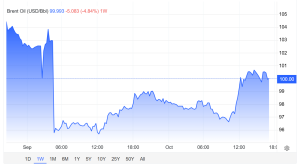
Fuel price adjustments are frequently affected by international oil prices, currency fluctuation rates, and governmental tax policies. The recent reductions coincide with global trends in crude oil prices and demonstrate the government’s commitment to managing inflation and fostering economic growth.
**Conclusion**
Although the reductions in petrol and diesel prices may appear small, their collective impact on the economy and consumer spending could be substantial. Since fuel prices significantly influence the cost structure of various sectors, this decline is a favorable change for both consumers and businesses. Stakeholders will be closely monitoring how these adjustments affect market dynamics and economic indicators in the upcoming months.