**Title: Strategic Initiative by Pakistan: Deregulation of Petrol Prices by June 2027**
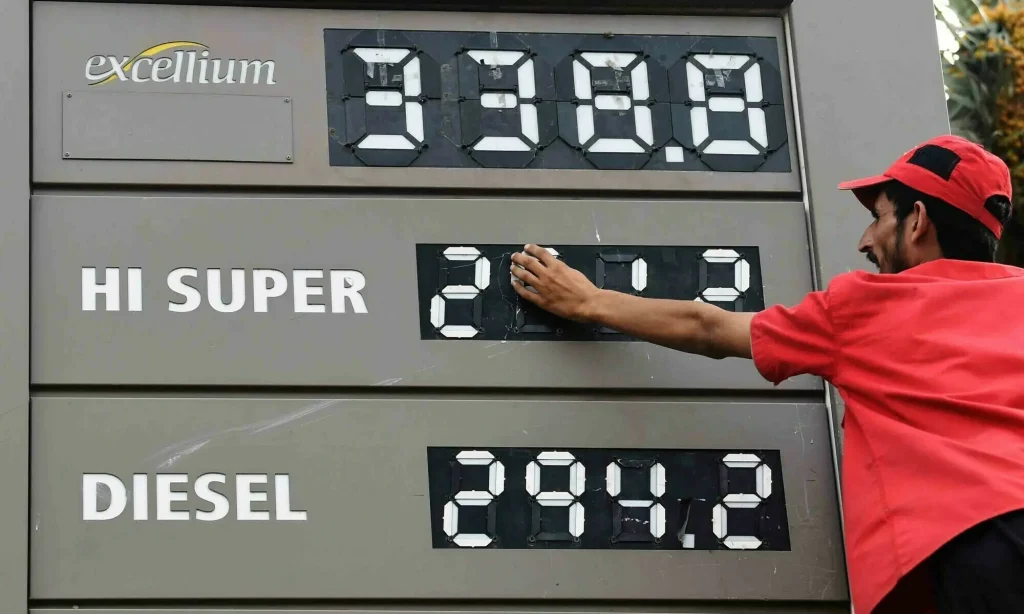
In a notable policy change, Pakistan has declared its intention to deregulate petrol prices by June 2027. This decision signifies a crucial turning point in the nation’s energy sector, with goals to boost market efficiency, draw in investment, and synchronize with international economic standards. The initiative is anticipated to have extensive effects on consumers, the economy, and the broader energy sector.
**Background and Justification**
Traditionally, the government of Pakistan has controlled petrol prices to protect consumers from fluctuating international oil markets and to ensure economic stability. However, this strategy has frequently resulted in financial strains due to subsidies and has hindered competition within the energy sector. The choice to deregulate stems from the necessity to cut government spending, enhance transparency, and promote private sector involvement.
**Economic Outcomes**
Deregulation of petrol prices is expected to cultivate a competitive market landscape. By permitting market dynamics to dictate prices, the government intends to attract foreign direct investments and invigorate growth within the energy domain. This may result in improved infrastructure, heightened efficiency, and the emergence of innovative technologies.
Nonetheless, the shift may also bring about difficulties. In the short run, consumers could face price variations, mirroring global oil market changes. To alleviate possible adverse effects, the government plans to adopt strategies such as targeted subsidies for at-risk populations and strategic reserves to stabilize supply.
**Effects on Consumers**
For consumers, deregulation might yield more competitive pricing and enhanced service quality over time. With a variety of participants in the market, petrol stations may introduce loyalty programs, discounts, and superior customer service to draw in and keep customers. However, the initial adjustment phase may result in price increases, necessitating consumer awareness regarding market dynamics.
**Regulatory Framework and Execution**
To guarantee a seamless transition, Pakistan’s government is crafting a comprehensive regulatory framework. This entails the establishment of an independent entity to monitor the market, prevent monopolistic behaviors, and ensure equitable competition. Furthermore, the government is collaborating with stakeholders, including oil corporations, consumer organizations, and economists, to create policies that harmonize market freedoms with consumer safeguards.
**Environmental Factors**
The deregulation of petrol prices also offers a chance to promote environmental goals. By abolishing subsidies, the government can reallocate funds towards renewable energy initiatives and encourage the use of cleaner technologies. This resonates with global endeavors to lower carbon emissions and tackle climate change.
**Conclusion**
Pakistan’s strategy to deregulate petrol prices by June 2027 is a daring move towards revitalizing its energy sector. While the transition may involve challenges, the potential advantages of heightened investment, market efficiency, and consumer options are considerable. As the government navigates this intricate process, meticulous planning and stakeholder engagement will be vital to achieving a successful outcome that fosters economic expansion and sustainability.