September 9, 2026
The Influence of Circuit Traits on the Competitive Order in Formula 1
Title: The Influence of Circuit Attributes on the Competitive Order in Formula 1IntroductionFormula 1, the apex of motorsport, represents a sophisticated interaction of technology, strategy, and driver expertise. A particularly fascinating facet of the sport is how varying circuit attributes can affect the competitive order among teams and drivers. Every track on the F1 schedule presents distinct challenges and possibilities, influencing vehicle performance and race results. This article examines how circuit attributes mold the competitive environment in Formula 1.Circuit Attributes1. Layout and Design: - Circuit designs differ greatly, ranging from high-speed venues such as Monza to intricate street circuits like Monaco. The configuration influences car setups, with teams fine-tuning aerodynamics, suspension, and power units tailored to specific track requirements.2. Track Surface and Grip Levels: - The type of surface and grip levels affect tire performance and wear. Tracks with smoother surfaces, like Yas Marina, enable longer tire stints, whereas more abrasive surfaces, such as Silverstone, necessitate additional pit stops and careful tire management.3. Elevation Changes: - Circuits like Spa-Francorchamps have notable elevation changes, which affect car balance and braking capabilities. Teams need to modify suspension settings to uphold stability and enhance cornering speeds.4. Weather Conditions: - Variations in weather, including rain and temperature changes, can significantly shift race dynamics. Wet conditions equalize competition, showcasing driver skill over vehicle performance, while extreme temperatures impact tire operation and engine cooling.5. Track Length and Lap Time: - Lengthy circuits with fewer laps, such as Circuit de la Sarthe, demand strategic fuel management and tire conservation. In contrast, shorter circuits like the Red Bull Ring prioritize qualifying performance and track positioning.Impact on Competitive Order1. Team Performance: - Circuit attributes can favor particular teams based on their vehicle's advantages. High-speed venues favor teams with powerful engines and streamlined aerodynamics, whereas intricate circuits benefit those with enhanced downforce and mechanical grip.2. Driver Skill: - Drivers exhibiting remarkable car control and adaptability shine on circuits featuring challenging layouts and dynamic conditions. Tracks such as Monaco reward accuracy and focus, while high-speed circuits assess courage and dedication.3. Strategic Variations: - Circuit-specific tactics, including pit stop timing and tire selections, can influence race results. Teams demonstrating superior strategic foresight and execution obtain a competitive advantage, especially on tracks with high tire wear or erratic weather.4. Qualifying vs. Race Pace: - Certain circuits highlight qualifying performance due to limited overtaking chances, as seen in Singapore. Others, like Bahrain, facilitate more overtaking, shifting attention to race tempo and tire management.ConclusionThe varied attributes of Formula 1 circuits significantly influence the competitive order. Teams and drivers need to adapt to each track's distinct challenges, capitalizing on their strengths and addressing weaknesses to thrive. Grasping these dynamics is crucial for fans and participants, as they unveil the complex interplay of elements that define success in Formula 1. As the sport advances, the significance of circuit attributes will continue to be a key component in the constantly evolving arena of Formula 1 competition.


Title: The Influence of Circuit Attributes on the Competitive Order in Formula 1

Introduction

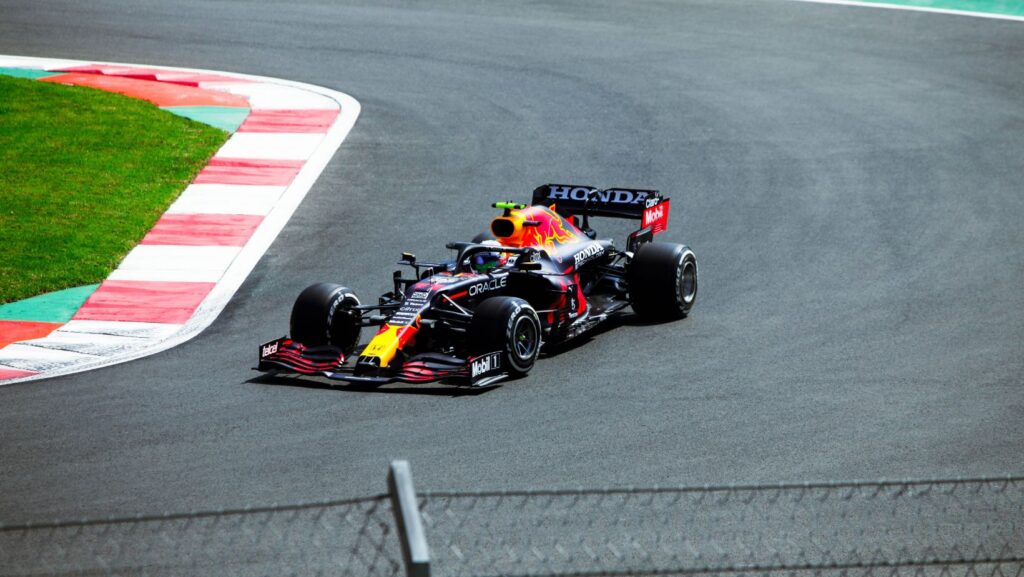
Formula 1, the apex of motorsport, represents a sophisticated interaction of technology, strategy, and driver expertise. A particularly fascinating facet of the sport is how varying circuit attributes can affect the competitive order among teams and drivers. Every track on the F1 schedule presents distinct challenges and possibilities, influencing vehicle performance and race results. This article examines how circuit attributes mold the competitive environment in Formula 1.

Circuit Attributes

1. Layout and Design:
– Circuit designs differ greatly, ranging from high-speed venues such as Monza to intricate street circuits like Monaco. The configuration influences car setups, with teams fine-tuning aerodynamics, suspension, and power units tailored to specific track requirements.

2. Track Surface and Grip Levels:
– The type of surface and grip levels affect tire performance and wear. Tracks with smoother surfaces, like Yas Marina, enable longer tire stints, whereas more abrasive surfaces, such as Silverstone, necessitate additional pit stops and careful tire management.

3. Elevation Changes:
– Circuits like Spa-Francorchamps have notable elevation changes, which affect car balance and braking capabilities. Teams need to modify suspension settings to uphold stability and enhance cornering speeds.

4. Weather Conditions:
– Variations in weather, including rain and temperature changes, can significantly shift race dynamics. Wet conditions equalize competition, showcasing driver skill over vehicle performance, while extreme temperatures impact tire operation and engine cooling.

5. Track Length and Lap Time:
– Lengthy circuits with fewer laps, such as Circuit de la Sarthe, demand strategic fuel management and tire conservation. In contrast, shorter circuits like the Red Bull Ring prioritize qualifying performance and track positioning.

Impact on Competitive Order

1. Team Performance:
– Circuit attributes can favor particular teams based on their vehicle’s advantages. High-speed venues favor teams with powerful engines and streamlined aerodynamics, whereas intricate circuits benefit those with enhanced downforce and mechanical grip.

2. Driver Skill:
– Drivers exhibiting remarkable car control and adaptability shine on circuits featuring challenging layouts and dynamic conditions. Tracks such as Monaco reward accuracy and focus, while high-speed circuits assess courage and dedication.

3. Strategic Variations:
– Circuit-specific tactics, including pit stop timing and tire selections, can influence race results. Teams demonstrating superior strategic foresight and execution obtain a competitive advantage, especially on tracks with high tire wear or erratic weather.

4. Qualifying vs. Race Pace:
– Certain circuits highlight qualifying performance due to limited overtaking chances, as seen in Singapore. Others, like Bahrain, facilitate more overtaking, shifting attention to race tempo and tire management.

Conclusion

The varied attributes of Formula 1 circuits significantly influence the competitive order. Teams and drivers need to adapt to each track’s distinct challenges, capitalizing on their strengths and addressing weaknesses to thrive. Grasping these dynamics is crucial for fans and participants, as they unveil the complex interplay of elements that define success in Formula 1. As the sport advances, the significance of circuit attributes will continue to be a key component in the constantly evolving arena of Formula 1 competition.