**The Increasing Importance of Electric Vehicles in Pakistan: Perspectives from World EV Day**
As the globe confronts the urgent issues of climate change and ecological deterioration, the shift toward sustainable energy alternatives has become essential. Among these alternatives, electric vehicles (EVs) play a crucial role in lowering carbon emissions and promoting a healthier environment. In Pakistan, the urgency for embracing electric vehicles is becoming more apparent, a feeling shared during the recent World EV Day festivities.
**Environmental and Economic Necessities**
Pakistan, similar to many developing countries, encounters substantial environmental issues, such as air pollution and dependence on fossil fuels. Major urban areas like Karachi, Lahore, and Islamabad endure poor air quality, largely due to vehicle emissions. The shift to EVs presents a hopeful route to alleviate these problems by cutting down the carbon footprint and enhancing air quality.
From an economic standpoint, Pakistan’s strong dependence on imported oil puts pressure on its foreign exchange reserves. Transitioning to electric vehicles can ease this strain by lowering the need for imported fuels, thereby stabilizing the economy and fostering energy independence.
**Government Programs and Policy Framework**
Acknowledging the promise of EVs, the Pakistani government has launched several initiatives to promote their adoption. The National Electric Vehicle Policy aims to convert 30% of all vehicles to electric by 2030. This policy offers incentives such as lowered customs duties on EV imports, tax breaks, and the establishment of EV infrastructure, including charging stations.
These initiatives were emphasized during World EV Day, where participants from various sectors convened to discuss the advancements and obstacles in the EV domain. The event highlighted the significance of cooperation among the government, private sector, and international partners to meet the ambitious goals outlined in the national policy.
**Obstacles and Possibilities**
Despite the positive developments, the widespread uptake of EVs in Pakistan encounters numerous challenges. The high initial price of electric vehicles, insufficient charging infrastructure, and a lack of consumer knowledge are considerable impediments. Additionally, the local automotive sector needs significant investment to shift from conventional manufacturing to EV production.
Nonetheless, these challenges also create opportunities. The establishment of local EV manufacturing can lead to job creation and technological progress. Moreover, international collaborations can promote knowledge sharing and capital investment in infrastructure development.
**The Importance of Public Awareness and Education**
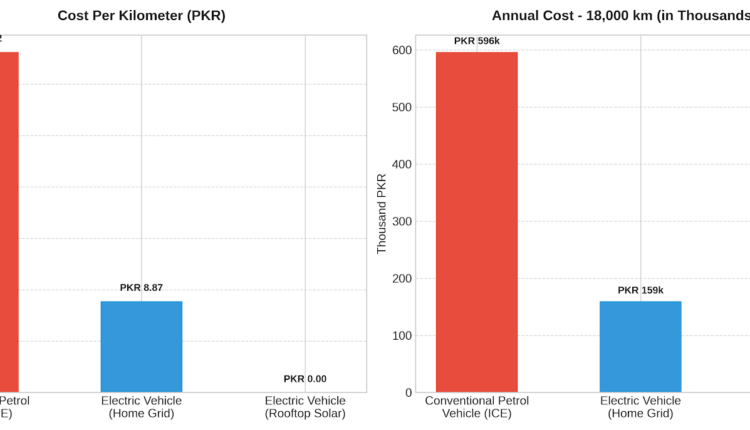
Public awareness and education are vital for speeding up the adoption of electric vehicles. World EV Day served as a platform to inform the public about the advantages of EVs, including lower operational costs, decreased emissions, and long-term economic benefits. Efforts to enhance awareness and dispel misconceptions about electric vehicles can significantly influence consumer attitudes and boost demand.
**Conclusion**
The rising significance of electric vehicles in Pakistan is clear. As the nation strives to harmonize economic growth with environmental sustainability, EVs provide a practical solution to cut emissions, reduce oil dependency, and enhance air quality. Insights from World EV Day emphasize the need for ongoing efforts to address challenges and seize opportunities within the EV sector. With dedicated actions from the government, industry stakeholders, and the populace, Pakistan can forge a path toward a cleaner, more sustainable future.