September 10, 2026
IMF to Review Pakistan's Updated Auto Policy in October
**IMF to Engage in Talks Regarding Pakistan's New Automotive Policy in October**In October, the International Monetary Fund (IMF) is poised to hold talks with Pakistan concerning its recently introduced automotive policy. This conversation is part of the IMF's extensive evaluation of Pakistan's economic reforms and policy initiatives within the framework of its ongoing financial support program. The talks are anticipated to center on the repercussions of the new automotive policy on Pakistan's economy, its conformity with the IMF’s economic reform suggestions, and its likely effects on the nation’s fiscal condition and industrial advancement.**Overview of Pakistan's Automotive Policy**Pakistan's updated automotive policy endeavors to revitalize the automotive industry, which plays a crucial role in the nation's industrial output and job creation. The policy aims to draw in foreign investment, improve local manufacturing capabilities, and enhance the sector's competitive edge. Major elements of the policy encompass tax benefits for new market entrants, strategies to promote exports, and initiatives aimed at fostering eco-friendly vehicles.**Goals of the New Automotive Policy**1. **Attracting Investment**: This strategy is aimed at fostering a favorable atmosphere for both domestic and international investors. By providing tax reductions and various incentives, the government intends to lure new participants into the market, thus fostering competition and innovation.2. **Boosting Local Manufacturing**: A major emphasis is placed on strengthening local manufacturing abilities. The policy promotes the domestic production of automotive parts and vehicles, intending to decrease dependence on imports and fortify the supply chain.3. **Enhancing Export Performance**: By elevating the quality and competitiveness of locally produced vehicles, the policy aims to augment exports. This is anticipated to assist Pakistan in generating foreign exchange and improving its trade balance.4. **Focusing on Environmental Factors**: In accordance with global tendencies, the policy incorporates measures to encourage the manufacturing and usage of electric and hybrid vehicles. This step is aimed at mitigating the environmental footprint of the automotive sector and aligning with international sustainability benchmarks.**IMF's Viewpoint**The IMF's interest in Pakistan's new automotive policy arises from its potential effects on the nation's economic stability and growth pathway. The Fund is expected to evaluate whether the policy is in harmony with its broader economic reform strategy, which focuses on fiscal discipline, structural changes, and sustainable growth.**Possible Discussion Themes**1. **Fiscal Implications**: The IMF will review how the tax benefits and subsidies proposed in the policy may influence Pakistan's fiscal landscape. It will be vital to ensure these initiatives do not result in substantial revenue loss or fiscal discord.2. **Growth Potential**: The discussions will likely delve into how the policy could foster economic growth, job creation, and industrial progress. The IMF will be keen to grasp the policy's potential to invigorate economic activity without engendering market distortions.3. **Investment Environment**: The Fund will examine whether the policy adequately addresses investment hurdles and establishes a fair competitive environment for all market actors. Ensuring transparency and consistency in implementing the policy will be crucial focus areas.4. **Environmental Objectives**: The IMF might also evaluate the policy’s compatibility with environmental sustainability targets. Promoting the use of cleaner technologies and lowering carbon emissions will be vital for long-term economic and ecological health.**Final Thoughts**The forthcoming discussions between the IMF and Pakistan concerning the new automotive policy signify a pivotal moment for the automotive sector and the broader economic reform agenda in the country. The results of these discussions will likely shape the execution of the policy and its influence on Pakistan’s economic growth and development. As Pakistan navigates these dialogues, achieving a balance between economic goals and fiscal responsibility while prioritizing sustainability will be critical to realizing long-term success.
**IMF to Engage in Talks Regarding Pakistan’s New Automotive Policy in October**

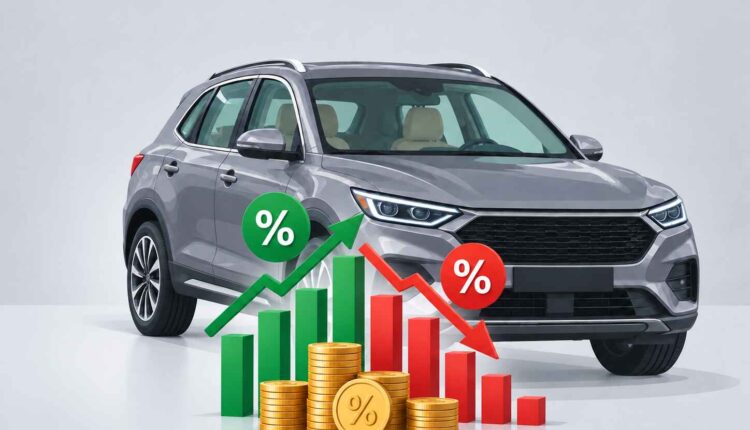
In October, the International Monetary Fund (IMF) is poised to hold talks with Pakistan concerning its recently introduced automotive policy. This conversation is part of the IMF’s extensive evaluation of Pakistan’s economic reforms and policy initiatives within the framework of its ongoing financial support program. The talks are anticipated to center on the repercussions of the new automotive policy on Pakistan’s economy, its conformity with the IMF’s economic reform suggestions, and its likely effects on the nation’s fiscal condition and industrial advancement.

**Overview of Pakistan’s Automotive Policy**

Pakistan’s updated automotive policy endeavors to revitalize the automotive industry, which plays a crucial role in the nation’s industrial output and job creation. The policy aims to draw in foreign investment, improve local manufacturing capabilities, and enhance the sector’s competitive edge. Major elements of the policy encompass tax benefits for new market entrants, strategies to promote exports, and initiatives aimed at fostering eco-friendly vehicles.

**Goals of the New Automotive Policy**

1. **Attracting Investment**: This strategy is aimed at fostering a favorable atmosphere for both domestic and international investors. By providing tax reductions and various incentives, the government intends to lure new participants into the market, thus fostering competition and innovation.

2. **Boosting Local Manufacturing**: A major emphasis is placed on strengthening local manufacturing abilities. The policy promotes the domestic production of automotive parts and vehicles, intending to decrease dependence on imports and fortify the supply chain.

3. **Enhancing Export Performance**: By elevating the quality and competitiveness of locally produced vehicles, the policy aims to augment exports. This is anticipated to assist Pakistan in generating foreign exchange and improving its trade balance.

4. **Focusing on Environmental Factors**: In accordance with global tendencies, the policy incorporates measures to encourage the manufacturing and usage of electric and hybrid vehicles. This step is aimed at mitigating the environmental footprint of the automotive sector and aligning with international sustainability benchmarks.

**IMF’s Viewpoint**

The IMF’s interest in Pakistan’s new automotive policy arises from its potential effects on the nation’s economic stability and growth pathway. The Fund is expected to evaluate whether the policy is in harmony with its broader economic reform strategy, which focuses on fiscal discipline, structural changes, and sustainable growth.

**Possible Discussion Themes**

1. **Fiscal Implications**: The IMF will review how the tax benefits and subsidies proposed in the policy may influence Pakistan’s fiscal landscape. It will be vital to ensure these initiatives do not result in substantial revenue loss or fiscal discord.

2. **Growth Potential**: The discussions will likely delve into how the policy could foster economic growth, job creation, and industrial progress. The IMF will be keen to grasp the policy’s potential to invigorate economic activity without engendering market distortions.

3. **Investment Environment**: The Fund will examine whether the policy adequately addresses investment hurdles and establishes a fair competitive environment for all market actors. Ensuring transparency and consistency in implementing the policy will be crucial focus areas.

4. **Environmental Objectives**: The IMF might also evaluate the policy’s compatibility with environmental sustainability targets. Promoting the use of cleaner technologies and lowering carbon emissions will be vital for long-term economic and ecological health.

**Final Thoughts**

The forthcoming discussions between the IMF and Pakistan concerning the new automotive policy signify a pivotal moment for the automotive sector and the broader economic reform agenda in the country. The results of these discussions will likely shape the execution of the policy and its influence on Pakistan’s economic growth and development. As Pakistan navigates these dialogues, achieving a balance between economic goals and fiscal responsibility while prioritizing sustainability will be critical to realizing long-term success.