**Lahore Now Exhibits Better Air Quality Than Dubai: An Unexpected Turn**
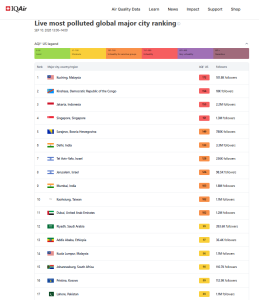
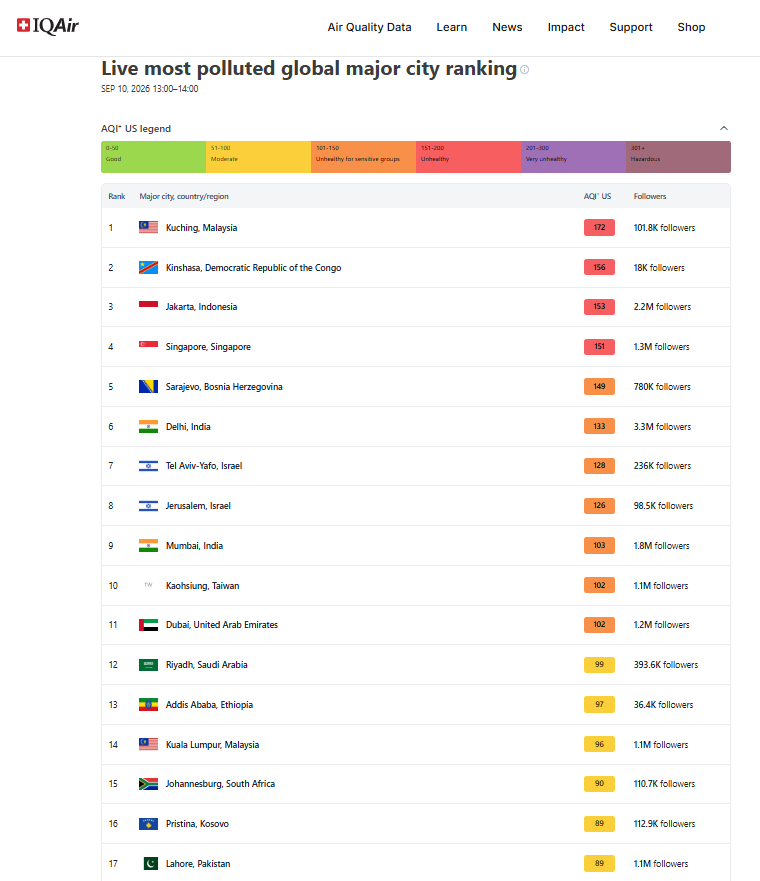
In a surprising twist, Lahore, a city frequently linked with high air pollution levels, presently enjoys superior air quality compared to Dubai, a city recognized for its modern amenities and generally improved environmental conditions. This shift has generated interest and prompted inquiries into the reasons behind the change in air quality between the two locations.
**Grasping Air Quality Index (AQI):**
Air Quality Index (AQI) is a universal framework employed to assess and convey air quality standards. It takes into account several pollutants such as particulate matter (PM2.5 and PM10), nitrogen dioxide (NO2), sulfur dioxide (SO2), carbon monoxide (CO), and ozone (O3). The AQI scale spans from 0 to 500, with lower values representing better air quality and higher values indicating more pronounced pollution levels.
**Enhancement of Lahore’s Air Quality:**
Lahore, the capital city of Pakistan’s Punjab province, has traditionally faced challenges with air pollution, especially during the winter months when smog becomes a major concern. Nonetheless, recent statistics show a significant enhancement in Lahore’s air quality. Various factors may have played a role in this favorable shift:
1. **Government Actions:** The Pakistani government has adopted several strategies to tackle air pollution, including more stringent rules on industrial emissions, advocating for cleaner fuels, and improving public transportation systems.
2. **Public Engagement:** Heightened awareness among the populace regarding the health effects of air pollution has fostered increased public collaboration in cutting down emissions, such as reducing the reliance on private vehicles and transitioning to cleaner energy options.
3. **Weather Patterns:** Positive weather conditions, like increased rainfall and wind activity, can momentarily disperse pollutants, resulting in better air quality.
**Air Quality Issues in Dubai:**
Dubai, a prominent city in the United Arab Emirates, is recognized for its rapid development and urbanization. In spite of its modern infrastructure, Dubai deals with its own air quality dilemmas:
1. **Ongoing Construction:** Active construction works contribute to dust and particulate matter in the atmosphere, affecting overall air quality.
2. **Vehicle Emissions:** The high volume of vehicles on the roads results in significant emissions from transportation, adding to pollution levels in Dubai.
3. **Industrial Operations:** The existence of factories and refineries in and near Dubai also elevates air pollution levels.
**Comparative Overview:**
The present scenario where Lahore surpasses Dubai in air quality serves as a reminder of the fluctuating nature of air quality, shaped by a blend of human activities, governmental policies, and natural elements. While Lahore’s improvement is noteworthy, it is crucial for both cities to persist in their endeavors for sustainable urban planning and pollution management to achieve lasting advancements in air quality.
**Final Thoughts:**
The astonishing revelation of Lahore exhibiting cleaner air than Dubai underscores the necessity for ongoing oversight and proactive initiatives in air quality management. It acts as a call to action for cities across the globe to emphasize environmental health and sustainability, ensuring an enhanced quality of life for their inhabitants.