
Title: Government Weighs New Taxes on Luxury Vehicles, Possibly Drastically Reducing Petrol Levy
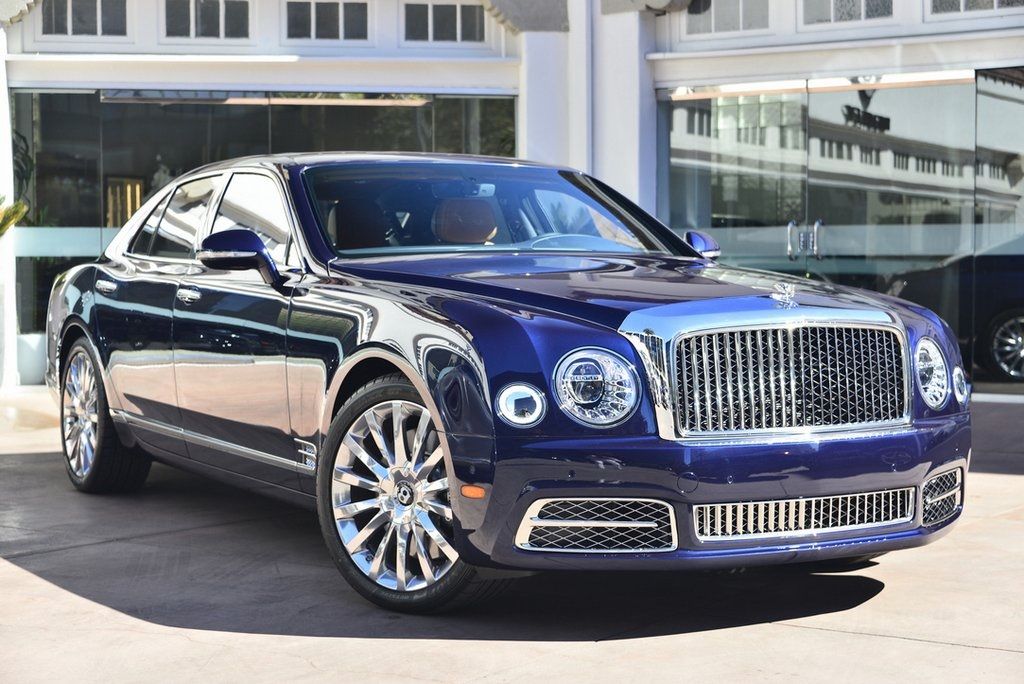
In a notable initiative aimed at transforming the nation’s financial framework, the government is considering the implementation of new taxes on luxury vehicles. This plan is part of a wider strategy to potentially decrease the petrol levy, thus offering relief to the typical consumer while focusing on owners of high-end cars.
The suggestion arises amid escalating worries about environmental sustainability and the necessity for fair tax distribution. Luxury vehicles, typically noted for their substantial fuel usage and emissions, have been pinpointed as a segment where heightened taxation could both yield considerable revenue and promote more eco-friendly consumer decisions.
**Rationale Behind the Proposal**
The main driver for this tax reform is twofold: addressing environmental issues and establishing a more equitable tax system. By levying higher taxes on luxury cars, the government aims to deter the acquisition of high-emission vehicles, thus supporting national efforts to minimize carbon footprints. This reflects international trends where governments increasingly focus on luxury items to foster sustainability.
Additionally, the existing petrol levy has stirred controversy, as it disproportionately impacts lower-income individuals dependent on fuel for daily travel. By cutting the petrol levy, the government intends to lighten this weight, enhancing transportation affordability for the average citizen.
**Economic Implications**
The implementation of luxury car taxes is anticipated to bring about several economic effects. Primarily, it may induce a change in consumer behavior, with prospective buyers leaning towards more fuel-efficient or electric cars. This transition could invigorate growth in the green vehicle market, encouraging innovation and investment in sustainable automotive technologies.
Moreover, the income generated from luxury car taxes could be considerable, supplying the government with extra resources for public transport infrastructure and other environmentally focused initiatives. This could further strengthen the country’s environmental image and support long-term economic viability.
**Potential Challenges**
Despite its prospective advantages, the proposal is not devoid of obstacles. The luxury car market, while profitable, is comparatively small, and the influence of heightened taxes on consumer habits remains unclear. There is also a potential backlash from luxury car manufacturers and wealthy consumers, who might perceive the tax as punitive.
Additionally, while the reduction in the petrol levy would be advantageous to consumers, it might result in a deficit in government funding if not sufficiently balanced by the new luxury car taxes. This necessitates meticulous adjustment of tax rates to maintain fiscal equilibrium.
**Conclusion**
As the government considers this proposal, it must balance the environmental and economic advantages against possible difficulties. The introduction of new taxes on luxury vehicles, in tandem with a reduction in the petrol levy, signifies a daring move toward a more sustainable and fair tax system. If executed successfully, it could lead to a greener future while ensuring a more equitable distribution of the tax burden across various income groups. As dialogues progress, stakeholders from multiple sectors will be closely monitoring the situation, eager to assess the potential effects on the automotive sector and the wider economy.