**Pakistan Fuel Prices Spike by Almost Rs. 30 Amid Intensifying Global Oil Crisis**
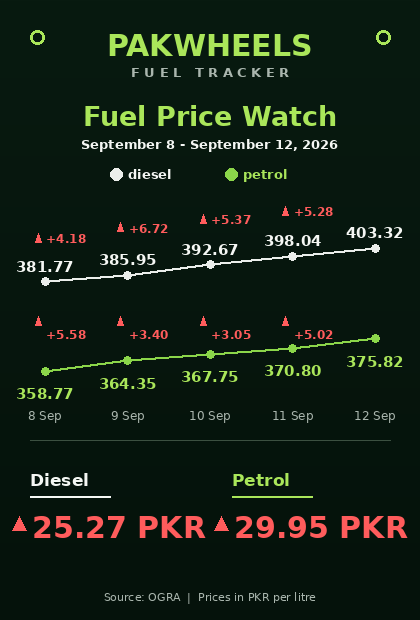
In the past few weeks, Pakistan has experienced a notable spike in fuel prices, with rates rising by almost Rs. 30 per liter. This situation arises against the backdrop of a worsening global oil crisis impacting economies around the globe. The increase in fuel prices is linked to multiple factors, including international market trends, currency devaluation, and geopolitical conflicts.
**Global Oil Crisis and Its Consequences**
The global oil crisis has been fueled by a mix of factors, such as diminished oil output from major exporting countries, disruptions in supply chains, and heightened demand as economies bounce back from the COVID-19 pandemic. Furthermore, geopolitical conflicts in oil-producing areas have exacerbated supply challenges, leading to fluctuations in oil prices.
**Local Ramifications**
For Pakistan, the jump in fuel prices holds significant local ramifications. The nation, which is heavily dependent on imported oil, finds itself particularly susceptible to changes in global oil prices. The rise in fuel expenses is anticipated to have a ripple effect across numerous sectors, resulting in elevated transportation costs, increased prices for goods and services, and inflationary strains.
**Government Action**
In light of the soaring fuel prices, the Pakistani government is considering various actions to lessen the impact on citizens. These actions involve negotiating with oil-exporting nations for better terms, investigating alternative energy options, and implementing subsidies to buffer the effects on the most affected segments of the populace.
**Economic Hurdles**
The spike in fuel prices presents considerable challenges for Pakistan’s economy, which is already contending with budget deficits and external debt. The elevated fuel costs are expected to broaden the trade deficit, as the country will be required to allocate more foreign exchange reserves to manage the increased import expenses. Additionally, the rise in inflation may diminish purchasing power and hinder economic growth.
**Public Response**
The increase in fuel prices has ignited public backlash, with numerous citizens voicing their discontent regarding the climbing cost of living. Protests and demonstrations have been reported in various regions of the country, as individuals call for government action to ease the financial strain on households.
**Conclusion**
As Pakistan navigates the difficulties posed by the global oil crisis, the government faces the challenging task of maintaining economic stability while addressing the needs of its citizens. Although short-term actions may offer some respite, sustainable solutions will necessitate strategic planning and investments in renewable energy sources to lessen reliance on imported oil. The situation highlights the significance of resilience and adaptability amid global economic unpredictabilities.