September 13, 2026
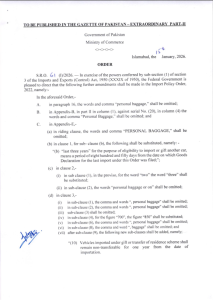
FBR Offers In-Depth Clarification on Electric Vehicle Tax Rules Valid Through June 2027
**FBR Offers In-Depth Clarification on Electric Vehicle Tax Policies Valid Until June 2027**The Federal Board of Revenue (FBR) has recently released a thorough clarification of the tax policies related to electric vehicles (EVs) in Pakistan, valid until June 2027. This initiative is part of the government's wider plan to encourage sustainable transportation and lower carbon emissions. The extensive guidelines seek to elucidate the tax benefits and obligations for manufacturers, importers, and consumers of electric vehicles.**Tax Benefits for Electric Vehicles**To incentivize the usage of electric vehicles, the FBR has proposed several tax benefits:1. **Lower Customs Duty**: Importers of completely built units (CBUs) of electric vehicles will enjoy a lower customs duty rate. This decrease aims to make EVs more accessible for consumers and stimulate the local market.2. **Sales Tax Exemption**: Electric vehicles are exempt from the general sales tax (GST), significantly reducing the total cost of acquiring an EV. This exemption applies to both imported and domestically produced electric vehicles.3. **Income Tax Deductions**: Individuals and businesses buying electric vehicles qualify for income tax deductions. This benefit is intended to promote both private and commercial uptake of EVs.4. **Federal Excise Duty Waiver**: The FBR has abolished the federal excise duty on electric vehicles, further alleviating the financial pressure on buyers.**Rules for Manufacturers and Importers**The FBR has introduced specific rules for manufacturers and importers of electric vehicles to ensure adherence and foster the growth of the local industry:1. **Incentives for Local Manufacturing**: Companies that invest in local production of electric vehicles will be granted additional tax advantages, including lowered corporate tax rates and subsidies for establishing manufacturing facilities.2. **Import Limits**: To balance the encouragement of local industry with the availability of various EV options, the FBR has enforced import limits. These limits constrain the number of imported CBUs while promoting local assembly and production.3. **Certification Standards**: All electric vehicles, whether imported or made locally, must comply with particular safety and environmental standards. The FBR mandates certification from recognized organizations to ensure adherence.**Advantages and Responsibilities for Consumers**For consumers, the FBR's regulations offer both advantages and obligations:1. **Waiver of Registration Fees**: Owners of electric vehicles are not required to pay registration fees, making the initial cost of ownership more appealing.2. **Support for Charging Infrastructure**: The government is committing to the advancement of charging infrastructure nationwide. Consumers are urged to engage in programs that facilitate the installation of home and public charging stations.3. **Adherence to Environmental Standards**: Electric vehicle owners must follow environmental regulations, including the proper disposal of batteries and involvement in recycling initiatives.**Conclusion**The FBR's comprehensive clarification of electric vehicle tax regulations emphasizes the government's dedication to nurturing a sustainable transportation ecosystem in Pakistan. By providing a variety of incentives and laying down clear rules for manufacturers, importers, and consumers, the FBR aims to hasten the adoption of electric vehicles and support environmental conservation efforts. These regulations, valid until June 2027, are anticipated to play a crucial role in influencing the future of the automotive sector in Pakistan.


**FBR Offers In-Depth Clarification on Electric Vehicle Tax Policies Valid Until June 2027**

The Federal Board of Revenue (FBR) has recently released a thorough clarification of the tax policies related to electric vehicles (EVs) in Pakistan, valid until June 2027. This initiative is part of the government’s wider plan to encourage sustainable transportation and lower carbon emissions. The extensive guidelines seek to elucidate the tax benefits and obligations for manufacturers, importers, and consumers of electric vehicles.

**Tax Benefits for Electric Vehicles**

To incentivize the usage of electric vehicles, the FBR has proposed several tax benefits:

1. **Lower Customs Duty**: Importers of completely built units (CBUs) of electric vehicles will enjoy a lower customs duty rate. This decrease aims to make EVs more accessible for consumers and stimulate the local market.

2. **Sales Tax Exemption**: Electric vehicles are exempt from the general sales tax (GST), significantly reducing the total cost of acquiring an EV. This exemption applies to both imported and domestically produced electric vehicles.

3. **Income Tax Deductions**: Individuals and businesses buying electric vehicles qualify for income tax deductions. This benefit is intended to promote both private and commercial uptake of EVs.

4. **Federal Excise Duty Waiver**: The FBR has abolished the federal excise duty on electric vehicles, further alleviating the financial pressure on buyers.

**Rules for Manufacturers and Importers**

The FBR has introduced specific rules for manufacturers and importers of electric vehicles to ensure adherence and foster the growth of the local industry:

1. **Incentives for Local Manufacturing**: Companies that invest in local production of electric vehicles will be granted additional tax advantages, including lowered corporate tax rates and subsidies for establishing manufacturing facilities.

2. **Import Limits**: To balance the encouragement of local industry with the availability of various EV options, the FBR has enforced import limits. These limits constrain the number of imported CBUs while promoting local assembly and production.

3. **Certification Standards**: All electric vehicles, whether imported or made locally, must comply with particular safety and environmental standards. The FBR mandates certification from recognized organizations to ensure adherence.

**Advantages and Responsibilities for Consumers**

For consumers, the FBR’s regulations offer both advantages and obligations:

1. **Waiver of Registration Fees**: Owners of electric vehicles are not required to pay registration fees, making the initial cost of ownership more appealing.

2. **Support for Charging Infrastructure**: The government is committing to the advancement of charging infrastructure nationwide. Consumers are urged to engage in programs that facilitate the installation of home and public charging stations.

3. **Adherence to Environmental Standards**: Electric vehicle owners must follow environmental regulations, including the proper disposal of batteries and involvement in recycling initiatives.

**Conclusion**

The FBR’s comprehensive clarification of electric vehicle tax regulations emphasizes the government’s dedication to nurturing a sustainable transportation ecosystem in Pakistan. By providing a variety of incentives and laying down clear rules for manufacturers, importers, and consumers, the FBR aims to hasten the adoption of electric vehicles and support environmental conservation efforts. These regulations, valid until June 2027, are anticipated to play a crucial role in influencing the future of the automotive sector in Pakistan.