**Imported Vehicles Encounter Delays Due to Lack of Personal Baggage Scheme**
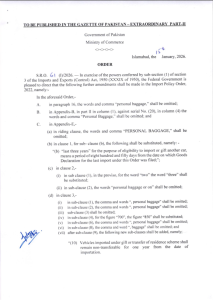
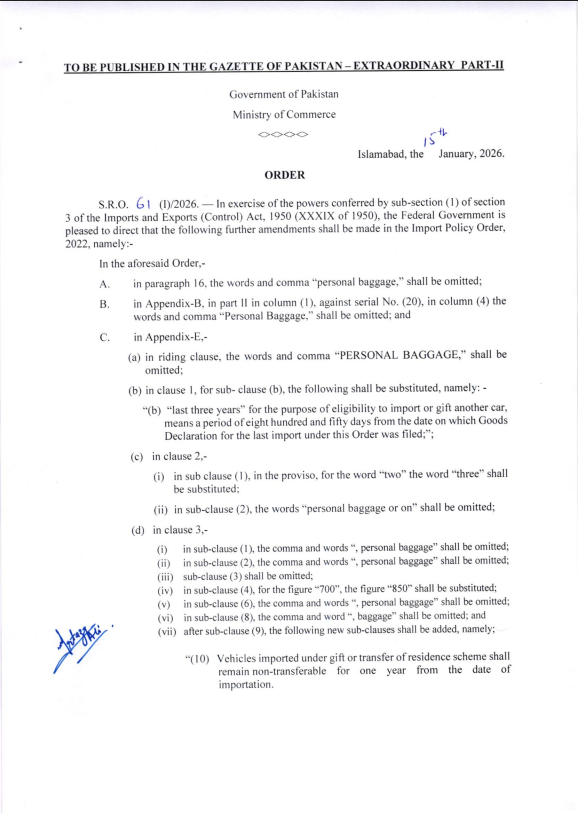
The worldwide automotive sector is undergoing major disruptions, with one contributing factor being the postponement in car imports due to the non-existence of a Personal Baggage Scheme (PBS). This scheme, which enables the efficient transfer of vehicles across borders, has been essential for ensuring prompt delivery and minimizing logistical obstacles. The absence of such a scheme is now resulting in significant delays, affecting both consumers and the car market.
**Grasping the Personal Baggage Scheme**
The Personal Baggage Scheme is a customs policy that permits individuals to bring personal items, including vehicles, into a nation without incurring standard commercial import duties and taxes. This scheme is especially advantageous for expatriates, returning residents, and individuals moving to a new country, as it streamlines the process of transporting personal vehicles across borders.
**Effects of Delays on Consumers**
In the absence of the PBS, consumers encounter extended wait times for their imported vehicles. This delay is the result of heightened scrutiny and paperwork necessary for each vehicle arriving in the country. The lack of streamlined processes means that vehicles undergo the same stringent checks and balances as commercial imports, resulting in backlogs at ports and customs locations.
For consumers, these delays equate to inconvenience and possible financial strains. Those who depend on their vehicles for daily travel or work may find themselves without transportation for long periods. Furthermore, the unpredictability surrounding delivery times can disrupt personal and professional schedules, leading to annoyance and dissatisfaction.
**Consequences for the Automotive Market**
The automotive market is also feeling the impact of these delays. Dealerships and importers are struggling to keep stock levels adequate, leading to diminished availability of particular models and configurations. This scarcity may cause prices to rise, making it pricier for consumers to acquire imported vehicles.
Additionally, the delays can influence the resale value of cars. As new models are postponed, older models stay on the market longer, possibly losing value. This scenario can create a tough environment for both buyers and sellers, as the typical supply and demand patterns are disrupted.
**Logistical Issues**
The logistical issues linked to the lack of a PBS are substantial. Ports and customs facilities are facing increased congestion, as every vehicle import necessitates thorough inspections and paperwork. This congestion not only impacts the automotive industry but also carries broader consequences for other imported goods, as resources become overstretched.
Shipping companies and logistics providers are also experiencing heightened pressure to adjust to these changes. The necessity for extra documentation and compliance checks can push operational costs higher, which may be passed on to consumers as increased shipping charges.
**Possible Solutions**
To tackle these issues, stakeholders in the automotive and logistics sectors are advocating for the reinstatement or creation of a Personal Baggage Scheme. Such a scheme would simplify the import process, lessen delays, and ease congestion at ports and customs facilities.
Governments and regulatory agencies are urged to work alongside industry professionals to devise policies that strike a balance between the necessities of security and compliance and the efficiency of vehicle imports. By utilizing technology and data-sharing platforms, it could be achievable to forge a more effective system that serves all parties concerned.
**Summary**
The lack of a Personal Baggage Scheme is leading to substantial delays in car imports, impacting both consumers and the automotive industry. Although the challenges are significant, there exists potential for solutions that can make the process more efficient and mitigate the ramifications of these delays. By emphasizing efficiency and collaboration, the industry can strive towards a more seamless importation process that satisfies the needs of all stakeholders.