September 14, 2026
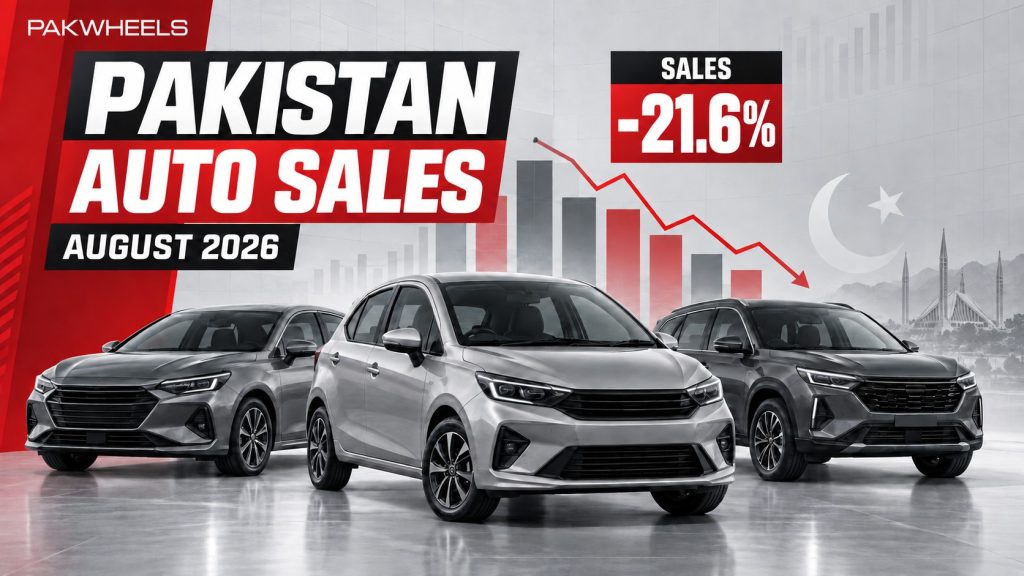
Pakistan's Automobile Sales Drop by Almost 22% in August 2026: PAMA Report
**Pakistan's Auto Sales Plummet by Almost 22% in August 2026: PAMA Report**A recent report issued by the Pakistan Automotive Manufacturers Association (PAMA) indicates that car sales in Pakistan witnessed a sharp decline of nearly 22% in August 2026 compared to the same month in the previous year. This downturn signifies a troubling trend for the nation’s automotive sector, which has been facing a variety of economic difficulties.**Economic Context and Influencing Factors**Multiple factors have influenced this drop in car sales. The economic environment in Pakistan has been strained due to volatile exchange rates, inflation, and increased fuel costs. These economic hurdles have directly affected consumer buying power, resulting in diminished demand for new vehicles.The depreciation of the Pakistani rupee against key currencies has led to higher costs for imported parts, causing prices of locally produced vehicles to rise. Furthermore, the escalation in fuel prices has made car ownership and maintenance more costly, further deterring prospective buyers.**Consequences for the Automotive Sector**The reduction in car sales carries significant repercussions for Pakistan's automotive sector. Manufacturers are contending with decreased production levels, which may lead to potential job cuts and reduced profits. The sector, crucial to the national economy, is also facing supply chain disruptions due to the lower demand.Local manufacturers are especially impacted, as they depend significantly on economies of scale to keep prices competitive. With falling sales, these manufacturers struggle to sustain production efficiency, which could cause increased costs and additional price hikes.**Government and Industry Action**In light of the declining sales, both the government and industry stakeholders are investigating strategies to boost demand and stabilize the market. The government is contemplating adjustments to import tariffs and taxes on automotive parts to ease financial burdens on manufacturers. Additionally, there is an effort to endorse electric and hybrid vehicles as a more sustainable and economical option for consumers.Industry participants are also concentrating on improving their product offerings and enhancing after-sales support to attract and retain clientele. Some manufacturers are looking into collaborations with international firms to introduce new models that align with the changing preferences of Pakistani consumers.**Future Prospects**Although the present scenario presents obstacles, there is hope for long-term recovery. Government initiatives aimed at stabilizing the economy and fostering sustainable automotive options are projected to gradually rebuild consumer trust. Additionally, as global supply chains mend from pandemic-related disruptions, the accessibility of parts and materials is expected to improve, facilitating the sector's recovery.In summary, the nearly 22% drop in car sales in August 2026 underscores the urgent challenges confronting Pakistan's automotive industry. Tackling these issues necessitates a cooperative approach among the government, industry stakeholders, and consumers to navigate the economic landscape and lay the foundation for a more robust and sustainable automotive sector in the future.

**Pakistan’s Auto Sales Plummet by Almost 22% in August 2026: PAMA Report**

A recent report issued by the Pakistan Automotive Manufacturers Association (PAMA) indicates that car sales in Pakistan witnessed a sharp decline of nearly 22% in August 2026 compared to the same month in the previous year. This downturn signifies a troubling trend for the nation’s automotive sector, which has been facing a variety of economic difficulties.

**Economic Context and Influencing Factors**

Multiple factors have influenced this drop in car sales. The economic environment in Pakistan has been strained due to volatile exchange rates, inflation, and increased fuel costs. These economic hurdles have directly affected consumer buying power, resulting in diminished demand for new vehicles.

The depreciation of the Pakistani rupee against key currencies has led to higher costs for imported parts, causing prices of locally produced vehicles to rise. Furthermore, the escalation in fuel prices has made car ownership and maintenance more costly, further deterring prospective buyers.

**Consequences for the Automotive Sector**

The reduction in car sales carries significant repercussions for Pakistan’s automotive sector. Manufacturers are contending with decreased production levels, which may lead to potential job cuts and reduced profits. The sector, crucial to the national economy, is also facing supply chain disruptions due to the lower demand.

Local manufacturers are especially impacted, as they depend significantly on economies of scale to keep prices competitive. With falling sales, these manufacturers struggle to sustain production efficiency, which could cause increased costs and additional price hikes.

**Government and Industry Action**

In light of the declining sales, both the government and industry stakeholders are investigating strategies to boost demand and stabilize the market. The government is contemplating adjustments to import tariffs and taxes on automotive parts to ease financial burdens on manufacturers. Additionally, there is an effort to endorse electric and hybrid vehicles as a more sustainable and economical option for consumers.

Industry participants are also concentrating on improving their product offerings and enhancing after-sales support to attract and retain clientele. Some manufacturers are looking into collaborations with international firms to introduce new models that align with the changing preferences of Pakistani consumers.

**Future Prospects**

Although the present scenario presents obstacles, there is hope for long-term recovery. Government initiatives aimed at stabilizing the economy and fostering sustainable automotive options are projected to gradually rebuild consumer trust. Additionally, as global supply chains mend from pandemic-related disruptions, the accessibility of parts and materials is expected to improve, facilitating the sector’s recovery.

In summary, the nearly 22% drop in car sales in August 2026 underscores the urgent challenges confronting Pakistan’s automotive industry. Tackling these issues necessitates a cooperative approach among the government, industry stakeholders, and consumers to navigate the economic landscape and lay the foundation for a more robust and sustainable automotive sector in the future.