September 23, 2026
Lahore's Air Quality Declines Before Smog Season; Elevated Vehicle Emissions Emphasized
**Lahore's Air Quality Worsens as Smog Season Approaches; Elevated Vehicle Emissions Noted**With Lahore getting ready for its yearly smog season, worries regarding worsening air quality have grown. The city, frequently shrouded in a dense haze during winter, is seeing a marked drop in air quality, largely due to increased vehicle emissions. This concerning development poses serious health threats to its inhabitants and necessitates prompt measures to lessen the environmental consequences.**Escalating Vehicle Emissions: A Key Factor**Lahore, the second-largest city in Pakistan, is undergoing rapid urban development and industrial expansion, resulting in a rise in the number of vehicles on its streets. This uptick in vehicular movement significantly contributes to air pollution, as older vehicles, typically lacking modern emission controls, emit high amounts of pollutants. The burning of fossil fuels in these vehicles generates nitrogen oxides, carbon monoxide, and particulate matter, which are major constituents of smog.**Health Risks Linked to Poor Air Quality**The declining air quality in Lahore presents serious health hazards, especially to vulnerable groups such as children, the elderly, and individuals with pre-existing respiratory ailments. Exposure to elevated levels of air pollution can result in respiratory infections, worsened asthma, and heart diseases. The World Health Organization (WHO) has regularly placed Lahore among the cities with the worst air quality, emphasizing the pressing need for action.**Government Measures and Hurdles**The government has enacted various initiatives to tackle air pollution, including the rollout of Euro 5 fuel standards and the endorsement of electric vehicles. Nonetheless, enforcement continues to be problematic, with numerous vehicles still operating without adequate emission controls. Furthermore, the scarcity of public transport options compels residents to depend heavily on personal vehicles, further worsening the situation.**Community Awareness and Collective Action**Enhancing public awareness about the effects of air pollution is vital. Community-led efforts, such as tree planting drives and carpool initiatives, can significantly contribute to lowering emissions. Informing citizens about the advantages of using public transport and embracing cleaner technologies is crucial for sustainable improvements.**The Way Ahead**Confronting Lahore's air quality dilemma demands a comprehensive strategy involving government regulation, technological advancements, and community participation. Strengthening regulatory measures, investing in public transport systems, and encouraging the use of cleaner vehicles are essential actions. As Lahore readies for the smog season, a unified effort from all involved is required to secure a healthier and more sustainable future for its populace.

**Lahore’s Air Quality Worsens as Smog Season Approaches; Elevated Vehicle Emissions Noted**

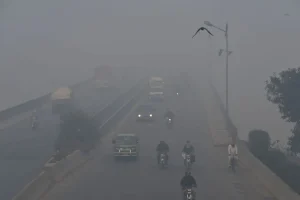
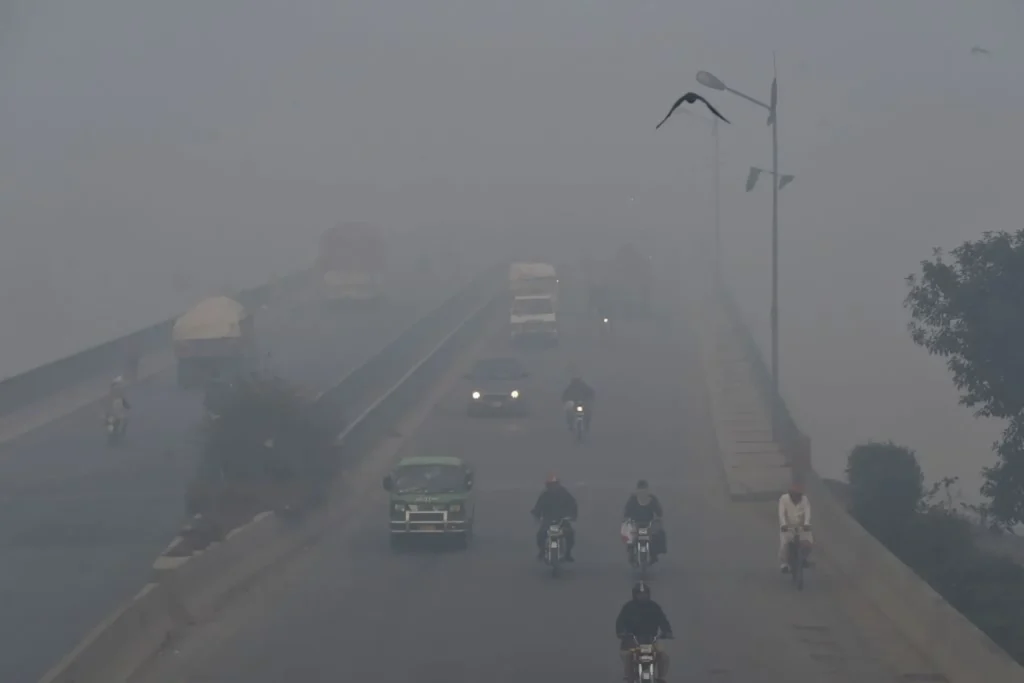
With Lahore getting ready for its yearly smog season, worries regarding worsening air quality have grown. The city, frequently shrouded in a dense haze during winter, is seeing a marked drop in air quality, largely due to increased vehicle emissions. This concerning development poses serious health threats to its inhabitants and necessitates prompt measures to lessen the environmental consequences.

**Escalating Vehicle Emissions: A Key Factor**

Lahore, the second-largest city in Pakistan, is undergoing rapid urban development and industrial expansion, resulting in a rise in the number of vehicles on its streets. This uptick in vehicular movement significantly contributes to air pollution, as older vehicles, typically lacking modern emission controls, emit high amounts of pollutants. The burning of fossil fuels in these vehicles generates nitrogen oxides, carbon monoxide, and particulate matter, which are major constituents of smog.

**Health Risks Linked to Poor Air Quality**

The declining air quality in Lahore presents serious health hazards, especially to vulnerable groups such as children, the elderly, and individuals with pre-existing respiratory ailments. Exposure to elevated levels of air pollution can result in respiratory infections, worsened asthma, and heart diseases. The World Health Organization (WHO) has regularly placed Lahore among the cities with the worst air quality, emphasizing the pressing need for action.

**Government Measures and Hurdles**

The government has enacted various initiatives to tackle air pollution, including the rollout of Euro 5 fuel standards and the endorsement of electric vehicles. Nonetheless, enforcement continues to be problematic, with numerous vehicles still operating without adequate emission controls. Furthermore, the scarcity of public transport options compels residents to depend heavily on personal vehicles, further worsening the situation.

**Community Awareness and Collective Action**

Enhancing public awareness about the effects of air pollution is vital. Community-led efforts, such as tree planting drives and carpool initiatives, can significantly contribute to lowering emissions. Informing citizens about the advantages of using public transport and embracing cleaner technologies is crucial for sustainable improvements.

**The Way Ahead**

Confronting Lahore’s air quality dilemma demands a comprehensive strategy involving government regulation, technological advancements, and community participation. Strengthening regulatory measures, investing in public transport systems, and encouraging the use of cleaner vehicles are essential actions. As Lahore readies for the smog season, a unified effort from all involved is required to secure a healthier and more sustainable future for its populace.