September 30, 2026
Pakistan Implements Stricter Safety Regulations for Imported Pre-Owned Vehicles
Title: Pakistan Implements Stricter Safety Regulations for Imported Pre-Owned VehiclesIn an effort to boost road safety and environmental standards, Pakistan has recently instituted tougher safety regulations for imported pre-owned vehicles. This initiative is part of a larger strategy to rejuvenate the nation's automotive industry and align it with global standards, ensuring that vehicles on Pakistani roads are safer and more eco-friendly.**Background**Pakistan's automotive market has historically been marked by a notable influx of imported pre-owned vehicles, which are often favored by consumers due to their lower cost compared to new models. However, these vehicles sometimes do not meet the safety and emission criteria prevalent in more advanced markets. Acknowledging the potential hazards linked to outdated safety features and increased emissions, the Pakistani government has decided to impose more rigorous regulations.**New Safety Regulations**The new regulations concentrate on several main areas:1. **Emission Standards**: Imported pre-owned vehicles must now adhere to Euro 5 emission standards, a substantial improvement from the former Euro 2 requirements. This adjustment aims to lessen the environmental consequences of older vehicles, minimizing harmful emissions and aiding in achieving cleaner air.2. **Safety Features**: Vehicles must be outfitted with vital safety features such as airbags, anti-lock braking systems (ABS), and electronic stability control (ESC). These features are essential for decreasing the likelihood of accidents and enhancing passenger safety.3. **Age Limit**: The age limit for imported pre-owned vehicles has been decreased. Vehicles older than three years from their manufacturing date are no longer permitted for import. This initiative is designed to ensure that newer, more technically advanced vehicles enter the country.4. **Inspection and Certification**: All imported pre-owned vehicles must go through a comprehensive inspection and certification process before being granted entry into Pakistan. This procedure includes assessments for mechanical integrity, safety feature efficiency, and emission adherence.**Impact on the Market**The application of these regulations is anticipated to significantly influence the automotive market in Pakistan. While the initial costs of compliance may result in increased prices for imported pre-owned vehicles, the long-term advantages include enhanced road safety and decreased environmental pollution. Consumers may also experience a shift in preference toward locally manufactured vehicles that comply with the new standards, potentially enhancing the domestic automotive sector.**Challenges and Opportunities**The implementation of these regulations poses both challenges and opportunities. Importers and dealers may encounter rising costs and logistical challenges in achieving compliance, yet there is also a chance for innovation and expansion in the local automotive industry. The government is expected to collaborate closely with industry stakeholders to ensure a smooth transition and offer assistance where necessary.**Conclusion**Pakistan's decision to implement stricter safety regulations for imported pre-owned vehicles signifies a crucial step towards enhancing road safety and environmental standards within the nation. By conforming to international norms, Pakistan is not only protecting its citizens but also laying the groundwork for a more sustainable automotive future. As these regulations are enacted, the country is likely to experience a positive change in its automotive landscape, benefiting both consumers and the environment.

Title: Pakistan Implements Stricter Safety Regulations for Imported Pre-Owned Vehicles

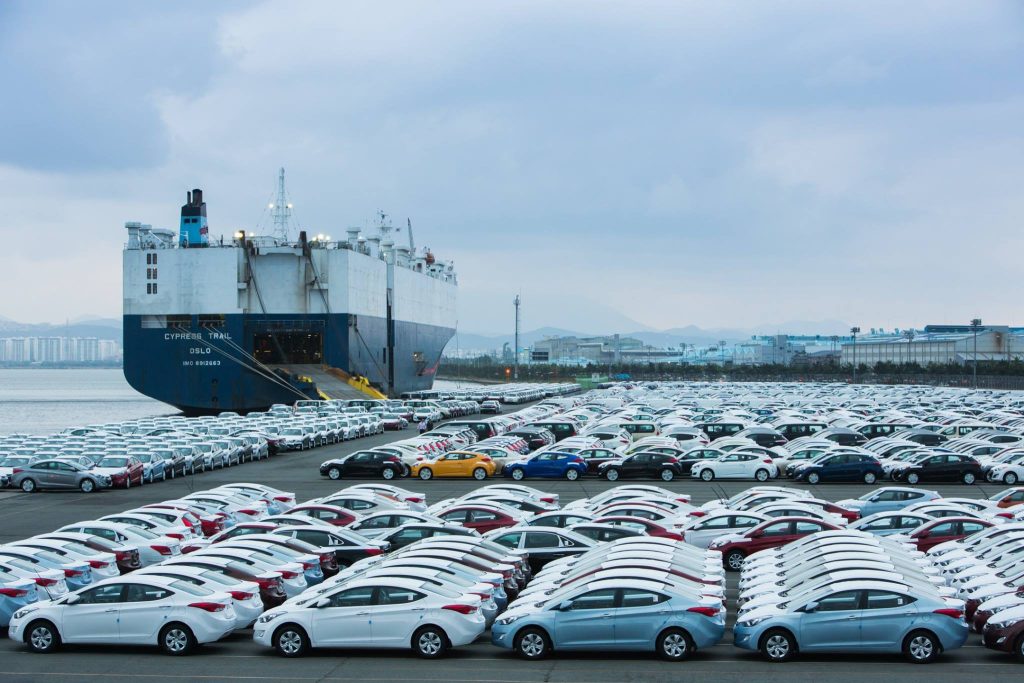
In an effort to boost road safety and environmental standards, Pakistan has recently instituted tougher safety regulations for imported pre-owned vehicles. This initiative is part of a larger strategy to rejuvenate the nation’s automotive industry and align it with global standards, ensuring that vehicles on Pakistani roads are safer and more eco-friendly.

**Background**

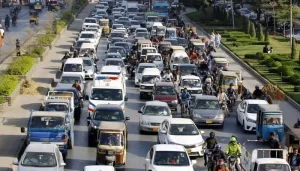
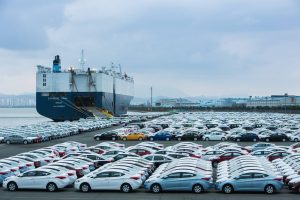
Pakistan’s automotive market has historically been marked by a notable influx of imported pre-owned vehicles, which are often favored by consumers due to their lower cost compared to new models. However, these vehicles sometimes do not meet the safety and emission criteria prevalent in more advanced markets. Acknowledging the potential hazards linked to outdated safety features and increased emissions, the Pakistani government has decided to impose more rigorous regulations.

**New Safety Regulations**

The new regulations concentrate on several main areas:

1. **Emission Standards**: Imported pre-owned vehicles must now adhere to Euro 5 emission standards, a substantial improvement from the former Euro 2 requirements. This adjustment aims to lessen the environmental consequences of older vehicles, minimizing harmful emissions and aiding in achieving cleaner air.

2. **Safety Features**: Vehicles must be outfitted with vital safety features such as airbags, anti-lock braking systems (ABS), and electronic stability control (ESC). These features are essential for decreasing the likelihood of accidents and enhancing passenger safety.

3. **Age Limit**: The age limit for imported pre-owned vehicles has been decreased. Vehicles older than three years from their manufacturing date are no longer permitted for import. This initiative is designed to ensure that newer, more technically advanced vehicles enter the country.

4. **Inspection and Certification**: All imported pre-owned vehicles must go through a comprehensive inspection and certification process before being granted entry into Pakistan. This procedure includes assessments for mechanical integrity, safety feature efficiency, and emission adherence.

**Impact on the Market**

The application of these regulations is anticipated to significantly influence the automotive market in Pakistan. While the initial costs of compliance may result in increased prices for imported pre-owned vehicles, the long-term advantages include enhanced road safety and decreased environmental pollution. Consumers may also experience a shift in preference toward locally manufactured vehicles that comply with the new standards, potentially enhancing the domestic automotive sector.

**Challenges and Opportunities**

The implementation of these regulations poses both challenges and opportunities. Importers and dealers may encounter rising costs and logistical challenges in achieving compliance, yet there is also a chance for innovation and expansion in the local automotive industry. The government is expected to collaborate closely with industry stakeholders to ensure a smooth transition and offer assistance where necessary.

**Conclusion**

Pakistan’s decision to implement stricter safety regulations for imported pre-owned vehicles signifies a crucial step towards enhancing road safety and environmental standards within the nation. By conforming to international norms, Pakistan is not only protecting its citizens but also laying the groundwork for a more sustainable automotive future. As these regulations are enacted, the country is likely to experience a positive change in its automotive landscape, benefiting both consumers and the environment.