**The Daily Establishment of Petrol and Diesel Rates in Pakistan**
In Pakistan, the establishment of petrol and diesel rates is a intricate process shaped by numerous factors, both local and global. The pricing system is vital as it immediately affects the economy, influencing transport expenses, inflation rates, and the pricing of goods and services.
**Regulatory Structure**
The Oil and Gas Regulatory Authority (OGRA) serves as the main organization tasked with overseeing the oil and gas industry in Pakistan. It has a crucial role in the pricing of petroleum products. However, the ultimate choice regarding price changes is made by the Ministry of Finance, frequently after discussions with the Prime Minister’s office.
**Global Market Impact**
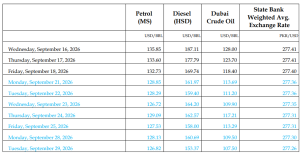
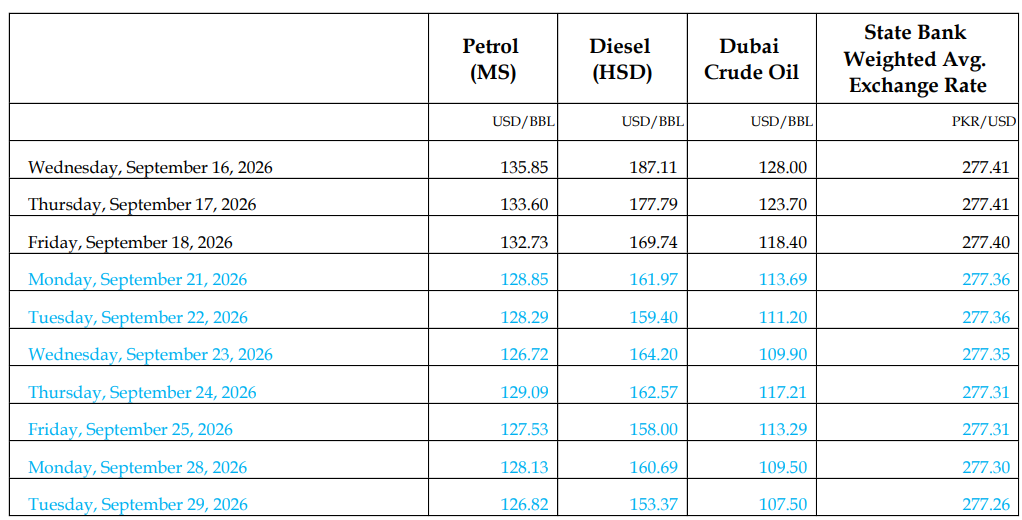
Petrol and diesel rates in Pakistan are significantly affected by international crude oil prices. As Pakistan imports a considerable amount of its petroleum products, variations in worldwide oil prices have a straightforward effect on domestic fuel rates. The nation adheres to the global pricing patterns, influenced by geopolitical incidents, supply and demand circumstances, and decisions from major oil-producing nations and entities like OPEC.
**Fluctuations in Exchange Rates**
The exchange rate between the Pakistani Rupee and the US Dollar also significantly influences fuel rates. Since oil imports are settled in US Dollars, any depreciation of the Rupee against the Dollar can result in higher import costs, thereby impacting domestic fuel rates.
**Taxation and Charges**
The government levies various taxes and charges on petroleum products, such as the Petroleum Development Levy and General Sales Tax (GST). These levies are an important revenue source for the government but also add to the total cost of fuel for consumers. Alterations in these taxes can prompt changes in fuel rates.
**Pricing Equation**
The pricing equation for petrol and diesel encompasses several elements: the cost of imported crude oil, refining expenses, transportation and distribution costs, and government taxes and levies. OGRA periodically reviews these elements to suggest price modifications.
**Monthly Evaluation Procedure**
Historically, petrol and diesel rates in Pakistan were assessed on a monthly basis. Nevertheless, in recent years, the government has transitioned to a more dynamic pricing system, with evaluations taking place bi-monthly or even weekly, based on market conditions. This enables more agile adjustments to international price variability.
**Effects on Consumers**
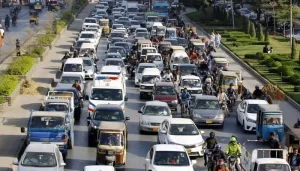
Frequent fluctuations in fuel rates can generate uncertainty for consumers and businesses. While lower rates can decrease transportation costs and inflation, elevated rates can have the reverse effect, raising the cost of living and business operations. The government often faces pressure to find a balance between the need for revenue and the economic impact on the populace.
**Final Thoughts**
The daily establishment of petrol and diesel rates in Pakistan is a complex affair influenced by global oil markets, currency exchange fluctuations, and local taxation policies. While the government strives to ensure fair pricing, the instability of international oil prices and economic conditions remain challenges in sustaining stable fuel costs for consumers.