**Title: Pakistan Auto Sector Sees 30% Surge in Vehicle Sales**
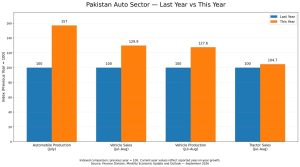
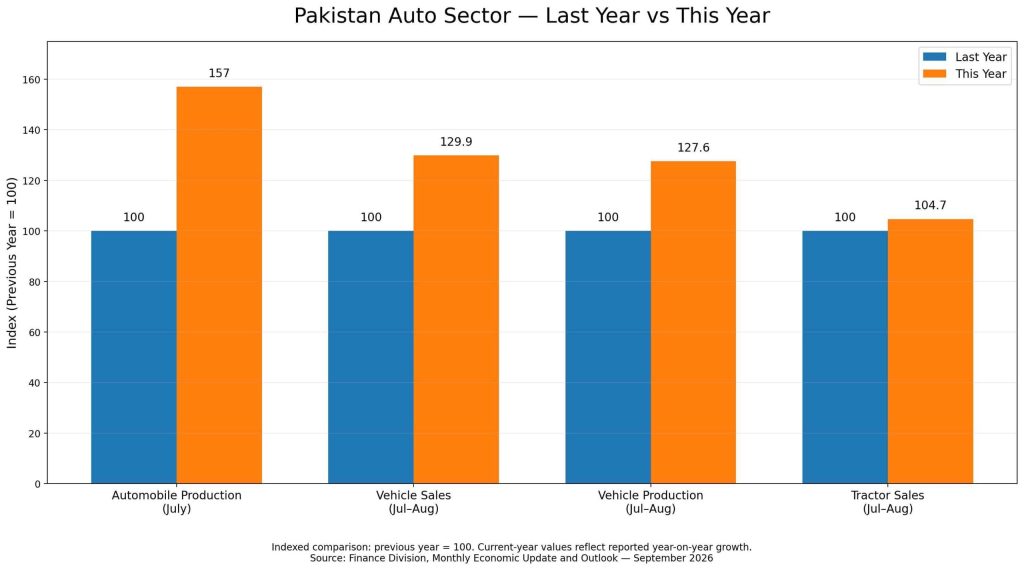
The automotive sector in Pakistan has experienced a notable revival, with vehicle sales registering a substantial 30% rise in the last year. This upswing signifies a crucial turning point for the industry, which has encountered various challenges in recent times, including economic variations, regulatory shifts, and the global repercussions of the COVID-19 crisis.
**Key Elements Fueling Growth**
Numerous factors have played a role in this remarkable increase in vehicle sales:
1. **Economic Rebound**: With signs of recovery in Pakistan’s economy following the pandemic, consumer confidence has enhanced, leading to greater expenditure on significant purchases such as vehicles.
2. **State Incentives**: The government has rolled out several incentives to support the auto industry, such as lowered taxes and duties on domestically produced vehicles. These initiatives have made cars more accessible to the average buyer.
3. **Launch of New Models**: Automobile manufacturers have unveiled new models designed to meet the desires of Pakistani consumers. The release of fuel-efficient and technologically sophisticated vehicles has drawn a wider array of customers.
4. **Financing Opportunities**: Financial institutions have presented appealing financing options, simplifying the process for consumers to buy vehicles. Low-interest rates and adaptable repayment plans have significantly influenced sales growth.
5. **Boosted Production Capacity**: Both local and global auto manufacturers have increased production to satisfy the rising demand. Investments in new assembly plants and the expansion of existing ones have improved production capabilities.
**Economic Impact**
The rise in vehicle sales has positively impacted Pakistan’s economy. The automotive sector plays a crucial role in the country’s GDP and employment levels. Higher sales have resulted in job creation across manufacturing, sales, and post-sales services. Furthermore, the growth of the auto sector has invigorated associated industries, such as steel, rubber, and electronics, thus further enhancing economic activity.
**Obstacles and Future Prospects**
Despite the favorable trends, the auto industry confronts hurdles, including supply chain challenges and escalating raw material prices. Nevertheless, industry specialists remain hopeful regarding future developments. The sustained support from the government, along with an emphasis on eco-friendly and sustainable vehicles, is anticipated to foster continued growth.
The transition towards electric vehicles (EVs) is also gaining traction. With global inclinations favoring sustainability, Pakistan’s automotive sector is gradually adopting EV technology. The government’s EV policy seeks to encourage the utilization of electric vehicles, potentially unlocking new growth avenues.
**Conclusion**
The 30% rise in vehicle sales highlights the resilience and potential of Pakistan’s automotive sector. As the industry evolves, it promises further growth and development, significantly contributing to the nation’s economic advancement. With strategic planning and ongoing support, the auto sector is set to propel Pakistan towards a more prosperous and sustainable future.