
December 12, 2025
How Motorcyclists Can Safely Maneuver Around Inattentive Drivers
**Title: Riding Safely: A Guide for Motorcyclists on Managing Distracted Drivers**In our rapidly moving society, driving distractions have emerged as a major issue for all individuals on the road, especially motorcyclists. Due to their smaller stature and greater susceptibility, motorcyclists need to employ proactive measures to safeguard their wellbeing in the presence of distracted drivers. This piece highlights essential methods that can assist motorcyclists in riding securely around distracted drivers.**1. Enhance Your Visibility**For motorcyclists, being visible is critical. Donning bright, reflective attire and applying reflective tape to your motorcycle can help you stand out more. Always operate your motorcycle with your headlights activated, even during daylight hours, to boost your visibility to other motorists.**2. Keep a Safe Following Distance**Maintaining a proper distance from surrounding vehicles allows you more time to respond to abrupt actions by distracted drivers. The two-second rule serves as a useful guideline: keep a two-second interval between you and the vehicle ahead, and extend this gap under adverse weather conditions.**3. Implement Defensive Riding Practices**Cultivate a defensive riding approach. Foresee possible dangers by consistently monitoring your environment and recognizing escape options. Be ready to execute evasive maneuvers if a distracted motorist unexpectedly swerves or brakes.**4. Position Your Motorcycle Wisely**Place your motorcycle in the lane where you are most noticeable to other drivers. Steer clear of riding in blind spots, and when halted at traffic signals, sidle up next to the vehicle in front of you to minimize the risk of being hit from behind.**5. Clearly Communicate Your Plans**Utilize hand signals and turn indicators to effectively convey your intentions to other drivers. Whenever possible, establish eye contact with drivers to confirm they are aware of your presence, particularly at intersections and when maneuvering lanes.**6. Remain Attentive and Concentrated**Stay alert and refrain from distractions yourself. Keep both hands on the handlebars and both feet on the footpegs. Frequently check your mirrors and stay aware of your environment at all times.**7. Exercise Caution at Intersections**Intersections are high-risk zones for motorcyclists. Approach with care, and be ready for vehicles that might run red lights or stop signs. Always verify the absence of oncoming traffic, even if you possess the right of way.**8. Avoid Riding in Adverse Weather**Distracted drivers present an even greater threat during inclement weather. If feasible, refrain from riding in rain, fog, or snow, as these conditions hinder visibility and prolong stopping distances for all vehicles.**9. Enroll in Advanced Riding Programs**Think about taking advanced riding courses to enhance your skills and master new techniques for navigating challenging circumstances. These programs typically cover defensive riding tactics and emergency responses.**10. Keep Updated and Adjust Accordingly**Stay current with emerging technologies and safety developments on the road. Modify your riding practices in response to changes in traffic behavior and the advent of new vehicle technologies that could affect driver focus.By applying these tactics, motorcyclists can improve their safety and lower the hazards posed by distracted drivers. Always remember that the essence of safe riding lies in being vigilant, visible, and proactive consistently.


**Title: Riding Safely: A Guide for Motorcyclists on Managing Distracted Drivers**

In our rapidly moving society, driving distractions have emerged as a major issue for all individuals on the road, especially motorcyclists. Due to their smaller stature and greater susceptibility, motorcyclists need to employ proactive measures to safeguard their wellbeing in the presence of distracted drivers. This piece highlights essential methods that can assist motorcyclists in riding securely around distracted drivers.

**1. Enhance Your Visibility**

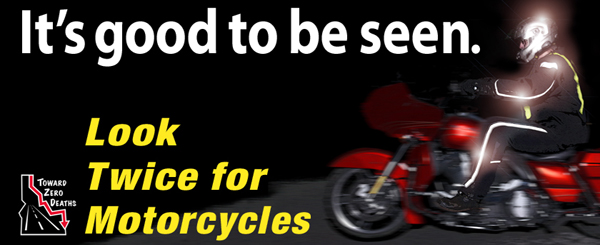
For motorcyclists, being visible is critical. Donning bright, reflective attire and applying reflective tape to your motorcycle can help you stand out more. Always operate your motorcycle with your headlights activated, even during daylight hours, to boost your visibility to other motorists.

**2. Keep a Safe Following Distance**

Maintaining a proper distance from surrounding vehicles allows you more time to respond to abrupt actions by distracted drivers. The two-second rule serves as a useful guideline: keep a two-second interval between you and the vehicle ahead, and extend this gap under adverse weather conditions.

**3. Implement Defensive Riding Practices**

Cultivate a defensive riding approach. Foresee possible dangers by consistently monitoring your environment and recognizing escape options. Be ready to execute evasive maneuvers if a distracted motorist unexpectedly swerves or brakes.

**4. Position Your Motorcycle Wisely**

Place your motorcycle in the lane where you are most noticeable to other drivers. Steer clear of riding in blind spots, and when halted at traffic signals, sidle up next to the vehicle in front of you to minimize the risk of being hit from behind.

**5. Clearly Communicate Your Plans**

Utilize hand signals and turn indicators to effectively convey your intentions to other drivers. Whenever possible, establish eye contact with drivers to confirm they are aware of your presence, particularly at intersections and when maneuvering lanes.

**6. Remain Attentive and Concentrated**

Stay alert and refrain from distractions yourself. Keep both hands on the handlebars and both feet on the footpegs. Frequently check your mirrors and stay aware of your environment at all times.

**7. Exercise Caution at Intersections**

Intersections are high-risk zones for motorcyclists. Approach with care, and be ready for vehicles that might run red lights or stop signs. Always verify the absence of oncoming traffic, even if you possess the right of way.

**8. Avoid Riding in Adverse Weather**

Distracted drivers present an even greater threat during inclement weather. If feasible, refrain from riding in rain, fog, or snow, as these conditions hinder visibility and prolong stopping distances for all vehicles.

**9. Enroll in Advanced Riding Programs**

Think about taking advanced riding courses to enhance your skills and master new techniques for navigating challenging circumstances. These programs typically cover defensive riding tactics and emergency responses.

**10. Keep Updated and Adjust Accordingly**

Stay current with emerging technologies and safety developments on the road. Modify your riding practices in response to changes in traffic behavior and the advent of new vehicle technologies that could affect driver focus.

By applying these tactics, motorcyclists can improve their safety and lower the hazards posed by distracted drivers. Always remember that the essence of safe riding lies in being vigilant, visible, and proactive consistently.