
September 2, 2026
Sindh Extends Tax and Registration Benefits for Electric Vehicles Through 2028
**Sindh Prolongs Tax and Registration Benefits for Electric Vehicles Until 2028**In a pivotal action to encourage eco-friendly transportation and decrease carbon emissions, the Sindh government has revealed an extension of tax and registration benefits for electric vehicles (EVs) until 2028. This verdict coincides with global initiatives aimed at mitigating climate change and moving towards cleaner energy alternatives.**Background and Justification**The move to extend tax incentives for electric vehicles is part of Sindh's comprehensive strategy to stimulate the uptake of sustainable transportation methods. The province has been leading the charge in implementing policies that endorse green technology, acknowledging the pressing necessity to confront environmental issues and lessen reliance on fossil fuels.Electric vehicles provide a multitude of advantages, such as reduced emissions, diminished noise pollution, and a lesser dependency on non-renewable energy sources. Through these extended incentives, the Sindh government intends to render EVs more accessible and economical for consumers, thus speeding up their adoption throughout the province.**Details of the Benefits**The renewed relief encompasses several crucial elements:1. **Tax Exemptions**: Electric vehicles will continuously benefit from exemptions on various provincial taxes, making them financially more viable compared to traditional internal combustion engine vehicles. This exemption considerably lowers the total cost of ownership for EV purchasers.2. **Registration Fee Waivers**: The exemption on registration fees for electric vehicles persists, further diminishing the initial financial obstacles for consumers keen on shifting towards electric mobility.3. **Infrastructure Advancement**: Besides financial incentives, the Sindh government is channeling funds into the establishment of EV infrastructure, including charging stations and service centers, to accommodate the rising number of electric vehicles on the roads.**Effect on the Automotive Sector**The extension of these incentives is likely to significantly influence the automotive sector in Sindh. It is expected that an increased number of consumers will be motivated to buy electric vehicles, resulting in heightened demand and possibly lowering prices due to economies of scale. Moreover, the policy may draw investment from EV producers and allied sectors, promoting economic advancement and job creation within the province.**Environmental and Economic Advantages**By fostering the use of electric vehicles, Sindh aspires to garner multiple environmental and economic advantages. These encompass a decrease in greenhouse gas emissions, enhanced air quality, and reduced health hazards linked to pollution. From an economic perspective, the transition to electric vehicles has the potential to lessen the province's fuel import expenses and boost energy security by relying more on locally generated electricity.**Conclusion**The Sindh government's resolution to extend tax and registration benefits for electric vehicles until 2028 illustrates a progressive approach to sustainable development. By advocating for the adoption of electric vehicles, Sindh is taking a decisive step towards a cleaner, greener future. This policy not only furthers environmental objectives but also establishes the province as a frontrunner in the shift towards sustainable transportation in Pakistan.


**Sindh Prolongs Tax and Registration Benefits for Electric Vehicles Until 2028**

In a pivotal action to encourage eco-friendly transportation and decrease carbon emissions, the Sindh government has revealed an extension of tax and registration benefits for electric vehicles (EVs) until 2028. This verdict coincides with global initiatives aimed at mitigating climate change and moving towards cleaner energy alternatives.

**Background and Justification**

The move to extend tax incentives for electric vehicles is part of Sindh’s comprehensive strategy to stimulate the uptake of sustainable transportation methods. The province has been leading the charge in implementing policies that endorse green technology, acknowledging the pressing necessity to confront environmental issues and lessen reliance on fossil fuels.

Electric vehicles provide a multitude of advantages, such as reduced emissions, diminished noise pollution, and a lesser dependency on non-renewable energy sources. Through these extended incentives, the Sindh government intends to render EVs more accessible and economical for consumers, thus speeding up their adoption throughout the province.

**Details of the Benefits**

The renewed relief encompasses several crucial elements:

1. **Tax Exemptions**: Electric vehicles will continuously benefit from exemptions on various provincial taxes, making them financially more viable compared to traditional internal combustion engine vehicles. This exemption considerably lowers the total cost of ownership for EV purchasers.

2. **Registration Fee Waivers**: The exemption on registration fees for electric vehicles persists, further diminishing the initial financial obstacles for consumers keen on shifting towards electric mobility.

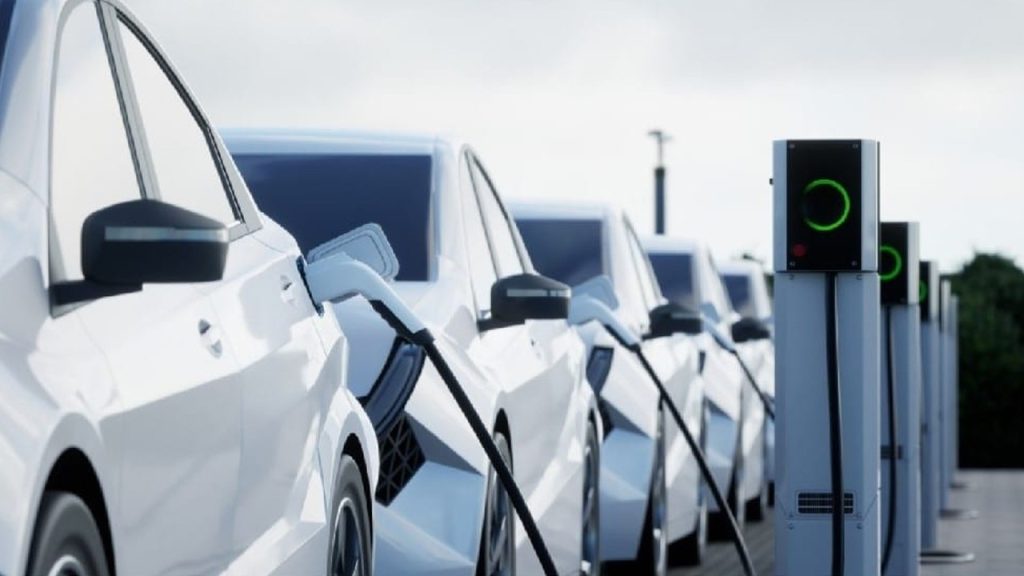
3. **Infrastructure Advancement**: Besides financial incentives, the Sindh government is channeling funds into the establishment of EV infrastructure, including charging stations and service centers, to accommodate the rising number of electric vehicles on the roads.

**Effect on the Automotive Sector**

The extension of these incentives is likely to significantly influence the automotive sector in Sindh. It is expected that an increased number of consumers will be motivated to buy electric vehicles, resulting in heightened demand and possibly lowering prices due to economies of scale. Moreover, the policy may draw investment from EV producers and allied sectors, promoting economic advancement and job creation within the province.

**Environmental and Economic Advantages**

By fostering the use of electric vehicles, Sindh aspires to garner multiple environmental and economic advantages. These encompass a decrease in greenhouse gas emissions, enhanced air quality, and reduced health hazards linked to pollution. From an economic perspective, the transition to electric vehicles has the potential to lessen the province’s fuel import expenses and boost energy security by relying more on locally generated electricity.

**Conclusion**

The Sindh government’s resolution to extend tax and registration benefits for electric vehicles until 2028 illustrates a progressive approach to sustainable development. By advocating for the adoption of electric vehicles, Sindh is taking a decisive step towards a cleaner, greener future. This policy not only furthers environmental objectives but also establishes the province as a frontrunner in the shift towards sustainable transportation in Pakistan.