
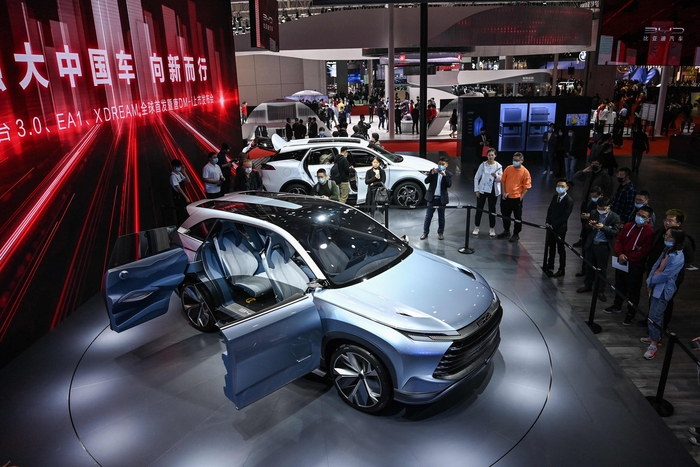
**BYD Overtakes Tesla in Sales to Become the Leading Electric Car Brand Worldwide**
In a notable development within the electric vehicle (EV) sector, BYD Auto, a Chinese car manufacturer, has overtaken Tesla to emerge as the top electric car brand globally regarding sales. This achievement signifies a crucial turning point in the international automotive landscape, emphasizing the swift expansion and competitive nature of the EV industry.
**BYD’s Journey to Leadership**
BYD, which stands for “Build Your Dreams,” was established in 1995 and initially specialized in rechargeable batteries. The company entered the automotive market in 2003 and has rapidly evolved into a significant force in the EV industry. BYD’s accomplishments can be linked to several critical elements:
1. **Varied Product Range**: BYD provides a comprehensive selection of electric vehicles, encompassing sedans, SUVs, and buses, meeting various consumer demands and inclinations. This extensive lineup has enabled BYD to attract a diverse clientele both in its home country and abroad.
2. **Robust Domestic Market**: As the largest market for electric vehicles, China has offered BYD a considerable advantage. The company’s solid position in China, bolstered by governmental incentives and a large charging network, has greatly enhanced its sales growth.
3. **Vertical Integration Approach**: By employing a vertical integration strategy that includes battery manufacturing, vehicle assembly, and energy storage services, BYD has been able to retain control over its supply chain and lower expenses, thereby boosting its competitive position.
4. **International Growth**: BYD has rapidly broadened its global reach, penetrating markets in Europe, Latin America, and other areas. Strategic collaborations and partnerships have further strengthened its international footprint.
**Tesla’s Status and Obstacles**
Tesla, under the leadership of CEO Elon Musk, has long stood as a trailblazer in the contemporary electric vehicle movement. Renowned for its cutting-edge technology, high-performance models, and robust brand identity, Tesla has ruled the EV market for many years. Nonetheless, a number of challenges have recently impacted its sales performance:
1. **Supply Chain Challenges**: Like other manufacturers, Tesla has encountered supply chain issues, especially regarding semiconductor availability, affecting its production and delivery schedules.
2. **Rising Competition**: The global EV arena has witnessed an influx of competition, with various manufacturers launching new electric models. This escalated rivalry has placed pressure on Tesla’s market position.
3. **Regulatory and Market Shifts**: Alterations in government regulations, incentives, and market conditions in pivotal areas have affected Tesla’s sales numbers. Moreover, Tesla’s concentration on premium models may restrict its attractiveness in price-sensitive segments.
**The Future of the EV Industry**
The transition of leadership from Tesla to BYD highlights the ever-changing landscape of the electric vehicle sector. As the demand for eco-friendly transportation continues to escalate, automotive manufacturers are making substantial investments in research and development to improve battery technologies, extend vehicle ranges, and lower prices.
In the future, competition in the EV market is anticipated to heat up, with traditional carmakers and new players contending for market dominance. The movement towards electric mobility is not only transforming the automotive sector but also shaping energy regulations, infrastructure development, and consumer habits worldwide.
In summary, BYD’s rise to the forefront of the electric vehicle industry demonstrates its strategic foresight, flexibility, and dedication to innovation. As the sector adapts, both BYD and Tesla, along with other participants, will be instrumental in influencing the future of transportation and promoting the global transition towards sustainable mobility.