February 20, 2026
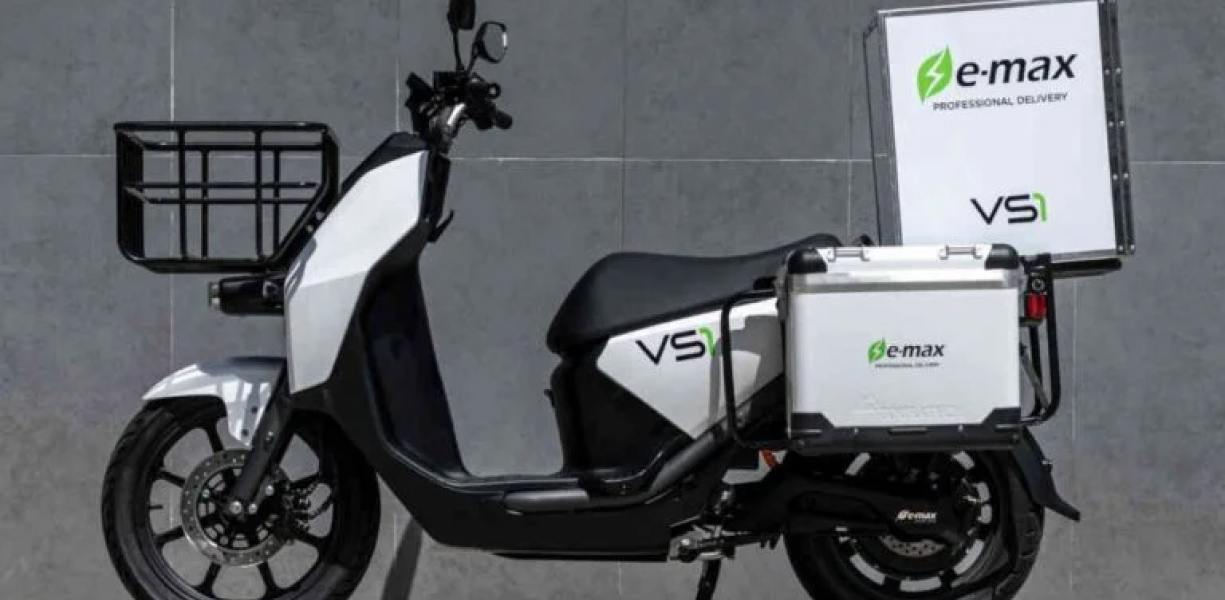
Imminent Obstacles for Electric Motorcycles
**Future Obstacles for Electric Motorbikes**The electric motorbike sector is swiftly advancing, propelled by innovations and an increasing dedication to eco-friendliness. Nevertheless, as this field grows, it encounters several major obstacles that need to be tackled to guarantee broad acceptance and prosperity. Below are some of the prominent challenges faced by electric motorbikes:1. **Battery Technology and Range Restrictions:** A primary issue for electric motorbikes is the limitations imposed by existing battery technology. Despite progress, the energy density of batteries continues to be a pivotal concern. Riders frequently experience range anxiety, as electric motorbikes often provide shorter ranges in comparison to their gasoline equivalents. Enhancing battery capacity and minimizing charging durations are vital for making electric motorbikes more attractive to consumers.2. **Charging Infrastructure:** The insufficient widespread and convenient charging infrastructure represents another major obstacle. In contrast to electric cars, which have received considerable funding for charging networks, electric motorbikes have a smaller number of dedicated charging facilities. Enhancing the charging infrastructure, especially in metropolitan and rural regions, is imperative for fostering the growth of electric motorbikes.3. **Cost and Affordability:** Electric motorbikes typically have a higher initial cost than traditional motorcycles due to the expense of batteries and cutting-edge technology. While operating expenses are usually lower, the upfront price can deter many prospective buyers. Lowering production expenses and providing incentives or subsidies could aid in making electric motorbikes more financially accessible.4. **Performance and Consumer Attitudes:** A number of consumers still view electric motorbikes as inferior in performance compared to conventional motorcycles. Although electric motorbikes can deliver remarkable acceleration and torque, concerns regarding top speeds and overall performance linger. Informing consumers and highlighting the capabilities of electric motorbikes can assist in altering these attitudes.5. **Regulatory and Standardization Challenges:** The electric motorbike sector grapples with a multifaceted regulatory environment, with diverse standards and regulations across various locales. Unifying these regulations and establishing universal standards are essential to facilitate international commerce and ensure safety and compatibility.6. **Environmental and Ethical Issues:** Although electric motorbikes are promoted as green alternatives, worries about the ecological ramifications of battery manufacturing and disposal persist. Furthermore, obtaining raw materials for batteries, such as lithium and cobalt, raises ethical and ecological questions. Creating sustainable and ethical supply chains is crucial for the industry's long-term viability.7. **Technological Developments and Innovation:** The swift tempo of technological progress creates both opportunities and challenges. Manufacturers need to continuously innovate to remain competitive, which necessitates considerable investment in research and development. Achieving a balance between innovation and cost-efficiency poses a significant challenge for the industry.8. **Market Acceptance and Cultural Transformation:** Fostering a cultural shift towards electric motorbikes demands altering entrenched habits and preferences. Cultivating consumer trust and acceptance is pivotal, achievable through marketing initiatives, collaborations, and community involvement.In summary, while the electric motorbike sector has substantial potential for the future of mobility, it must navigate various challenges to attain widespread acceptance. Tackling these concerns through technological advancements, infrastructure enhancement, and consumer education will be crucial to realizing the complete potential of electric motorbikes.
**Future Obstacles for Electric Motorbikes**

The electric motorbike sector is swiftly advancing, propelled by innovations and an increasing dedication to eco-friendliness. Nevertheless, as this field grows, it encounters several major obstacles that need to be tackled to guarantee broad acceptance and prosperity. Below are some of the prominent challenges faced by electric motorbikes:

1. **Battery Technology and Range Restrictions:**
A primary issue for electric motorbikes is the limitations imposed by existing battery technology. Despite progress, the energy density of batteries continues to be a pivotal concern. Riders frequently experience range anxiety, as electric motorbikes often provide shorter ranges in comparison to their gasoline equivalents. Enhancing battery capacity and minimizing charging durations are vital for making electric motorbikes more attractive to consumers.

2. **Charging Infrastructure:**
The insufficient widespread and convenient charging infrastructure represents another major obstacle. In contrast to electric cars, which have received considerable funding for charging networks, electric motorbikes have a smaller number of dedicated charging facilities. Enhancing the charging infrastructure, especially in metropolitan and rural regions, is imperative for fostering the growth of electric motorbikes.

3. **Cost and Affordability:**
Electric motorbikes typically have a higher initial cost than traditional motorcycles due to the expense of batteries and cutting-edge technology. While operating expenses are usually lower, the upfront price can deter many prospective buyers. Lowering production expenses and providing incentives or subsidies could aid in making electric motorbikes more financially accessible.

4. **Performance and Consumer Attitudes:**
A number of consumers still view electric motorbikes as inferior in performance compared to conventional motorcycles. Although electric motorbikes can deliver remarkable acceleration and torque, concerns regarding top speeds and overall performance linger. Informing consumers and highlighting the capabilities of electric motorbikes can assist in altering these attitudes.

5. **Regulatory and Standardization Challenges:**
The electric motorbike sector grapples with a multifaceted regulatory environment, with diverse standards and regulations across various locales. Unifying these regulations and establishing universal standards are essential to facilitate international commerce and ensure safety and compatibility.

6. **Environmental and Ethical Issues:**
Although electric motorbikes are promoted as green alternatives, worries about the ecological ramifications of battery manufacturing and disposal persist. Furthermore, obtaining raw materials for batteries, such as lithium and cobalt, raises ethical and ecological questions. Creating sustainable and ethical supply chains is crucial for the industry’s long-term viability.

7. **Technological Developments and Innovation:**
The swift tempo of technological progress creates both opportunities and challenges. Manufacturers need to continuously innovate to remain competitive, which necessitates considerable investment in research and development. Achieving a balance between innovation and cost-efficiency poses a significant challenge for the industry.

8. **Market Acceptance and Cultural Transformation:**
Fostering a cultural shift towards electric motorbikes demands altering entrenched habits and preferences. Cultivating consumer trust and acceptance is pivotal, achievable through marketing initiatives, collaborations, and community involvement.

In summary, while the electric motorbike sector has substantial potential for the future of mobility, it must navigate various challenges to attain widespread acceptance. Tackling these concerns through technological advancements, infrastructure enhancement, and consumer education will be crucial to realizing the complete potential of electric motorbikes.