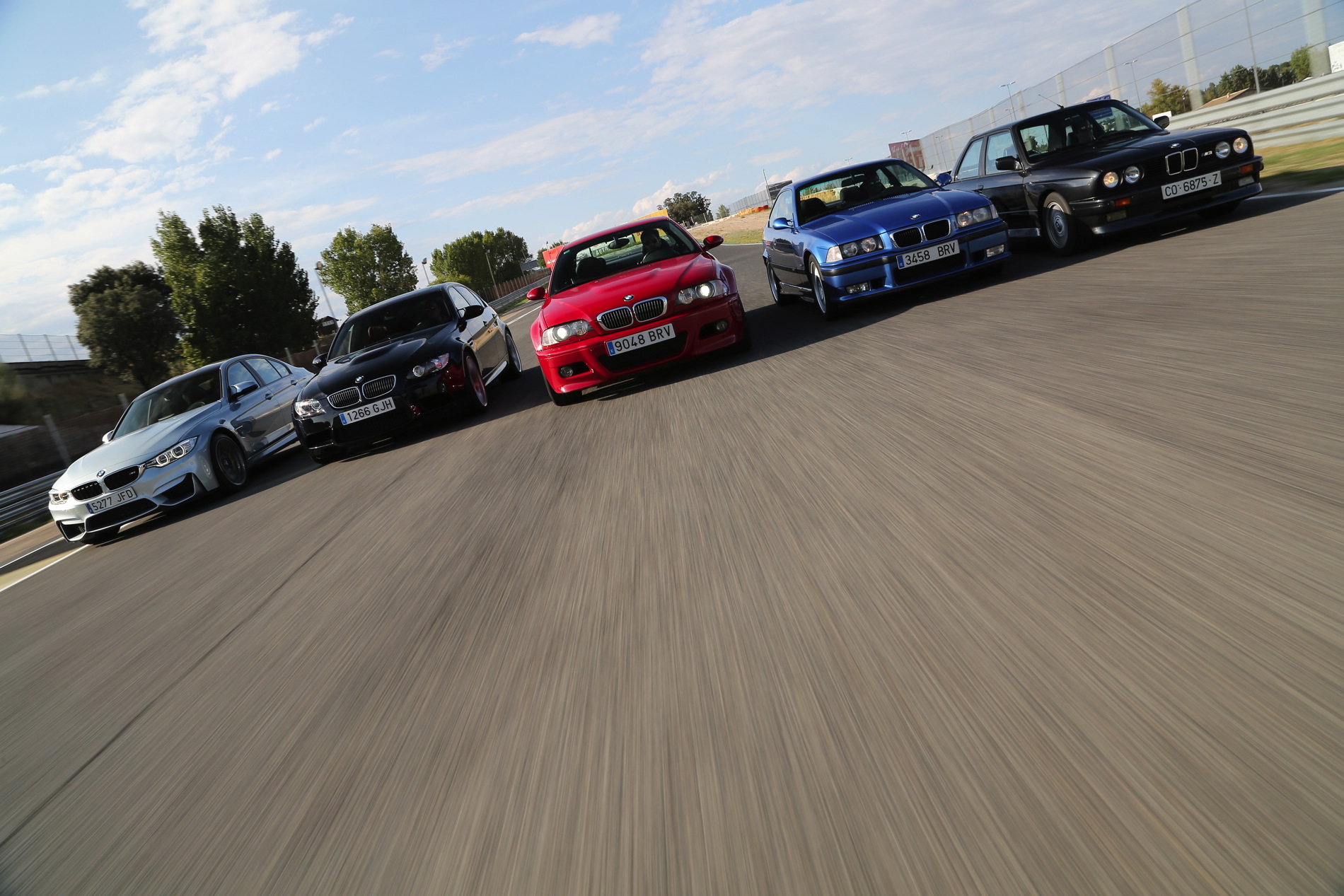
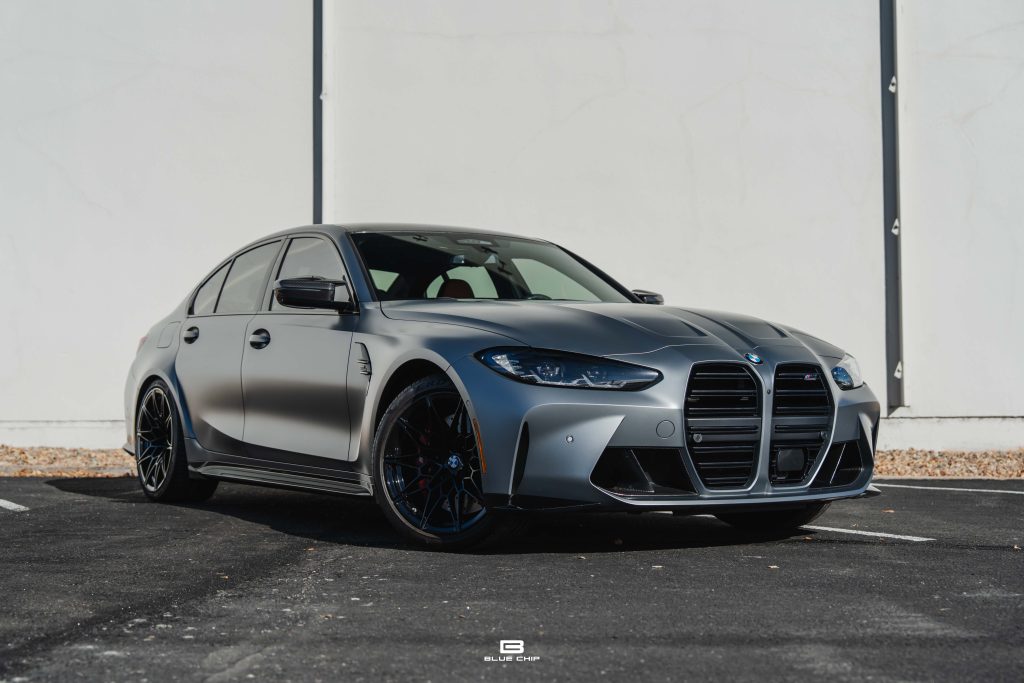
All automakers possess that one model which surpasses its tangible appearance and becomes woven into the tapestry of automotive lore. For Porsche, it’s the 911. For Ferrari, it’s the F40. For BMW, the unequivocal choice is the M3, which marks its 40th anniversary this year.
This assertion bears significant weight given BMW's rich lineage in vehicle manufacturing. Let’s delve deeper into this subject.
Identifying the Contenders
An earnest dialogue regarding BMW’s most influential vehicle must commence with the Neue Klasse. Launched in 1962, these compact, stylish, four-door models were driver-focused and pivotal in rescuing BMW from potential financial despair. The Neue Klasse laid the foundation for the marque: rear-wheel drive, inline engines, and a cockpit focused on the driver. Without it, BMW as we recognize it today might not have thrived.
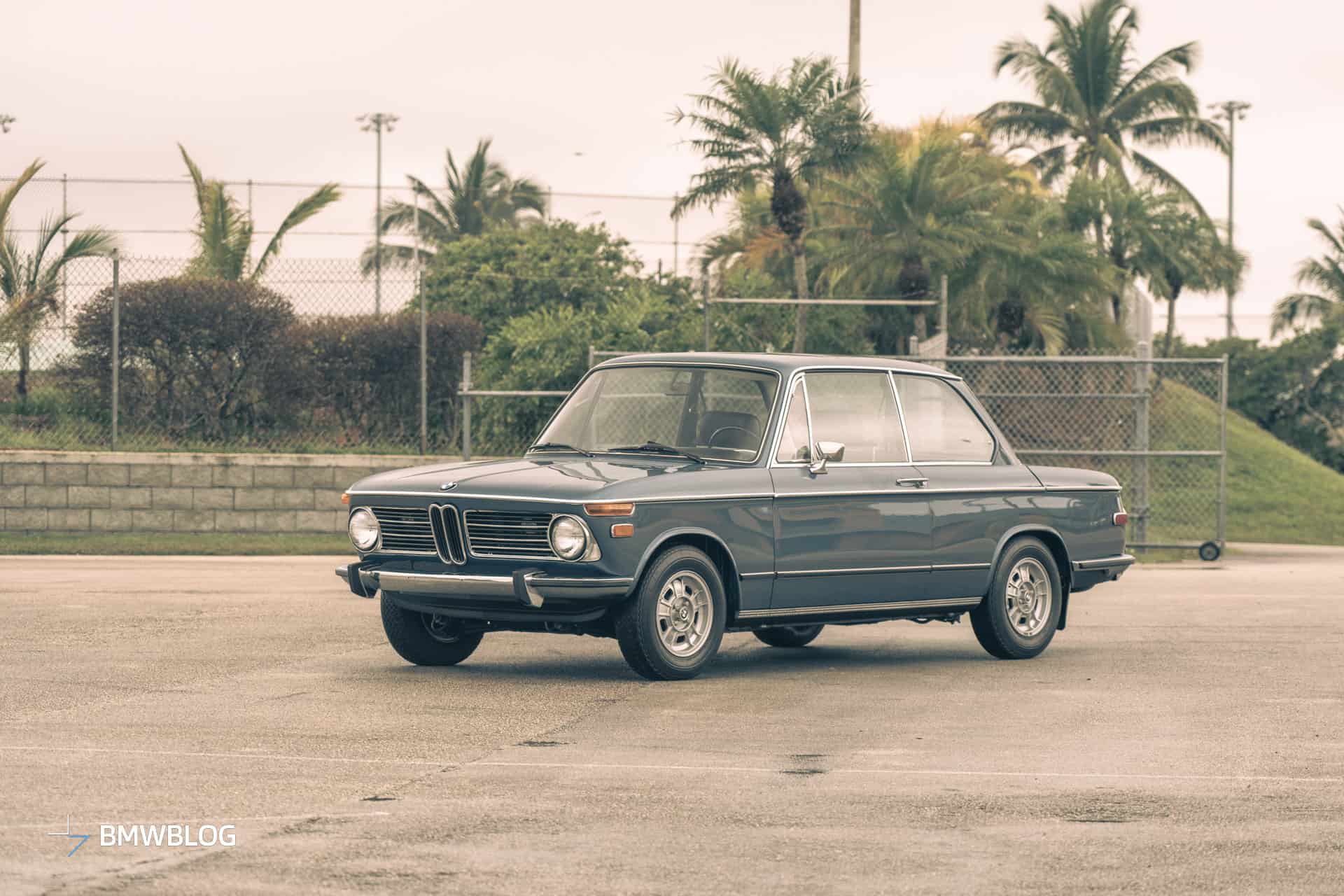
Next in line was the 2002. While the Neue Klasse provided financial stability, the 2002 bestowed the brand with character. This nimble two-door captured the hearts of American fans who had once admired muscle cars. The 2002 turbo debuted as Europe’s inaugural turbocharged production vehicle, garnering praise from outlets like Road & Track and Car and Driver, reinforcing BMW's image as a manufacturer of driver-centric vehicles.
Yet, neither the Neue Klasse nor the 2002 is the first model that springs to mind when one thinks of BMW. That honor belongs to the M3.
The Vehicle That Shaped the Brand
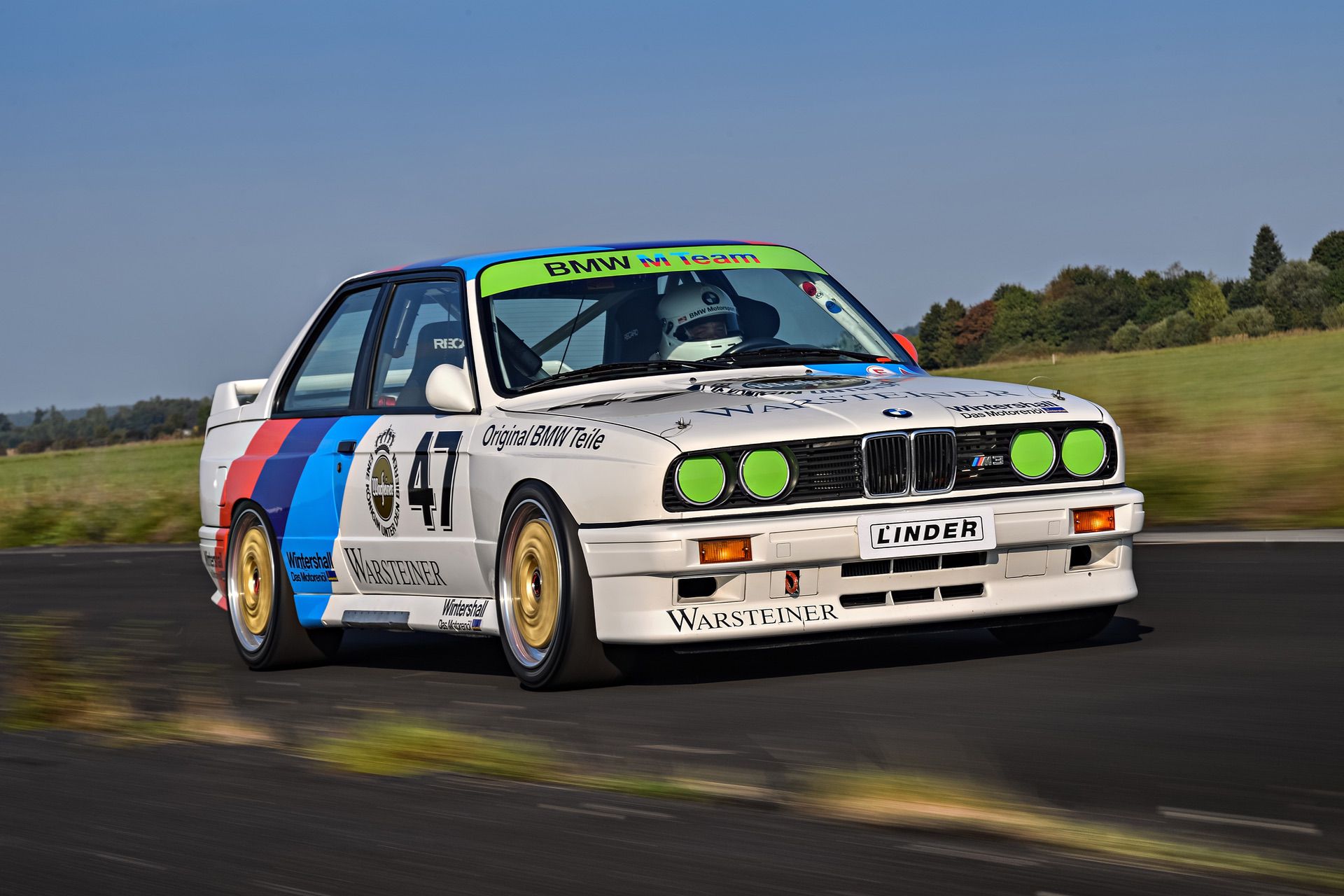
Upon its arrival in 1986, the E30 M3 was crafted as a homologation special for competition in the Deutsche Tourenwagen Meisterschaft (DTM) and Group A rally racing. With rules necessitating a minimum production of road cars, BMW Motorsport engineered a street-legal racing powerhouse: a slender, high-revving sports sedan equipped with a four-cylinder engine that peaked at 8,000 rpm — an unprecedented feat for BMW and others at the time.
It triumphed in the DTM and the European Touring Car Championship, emerging as one of the most successful touring cars in the realm of motorsport. More significantly, it evolved into the dream vehicle for a whole generation of car aficionados.
The M3 embodies more than just speed; right from the launch of the E30, possessing one indicated something exceptional. It wasn’t just a fast BMW — it was the quintessential fast BMW. Each following generation has continued this legacy and upheld this promise.
The Standard for Competitors
A clear representation of the M3’s prominence is that when other manufacturers develop their performance sedans, they look to the M3 as their standard.
When Cadillac set out to create the ATS-V, striving to demonstrate that American luxury could rival European players, their engineers made the journey to Germany, rented M3s, and conducted thorough testing. The M3 was their
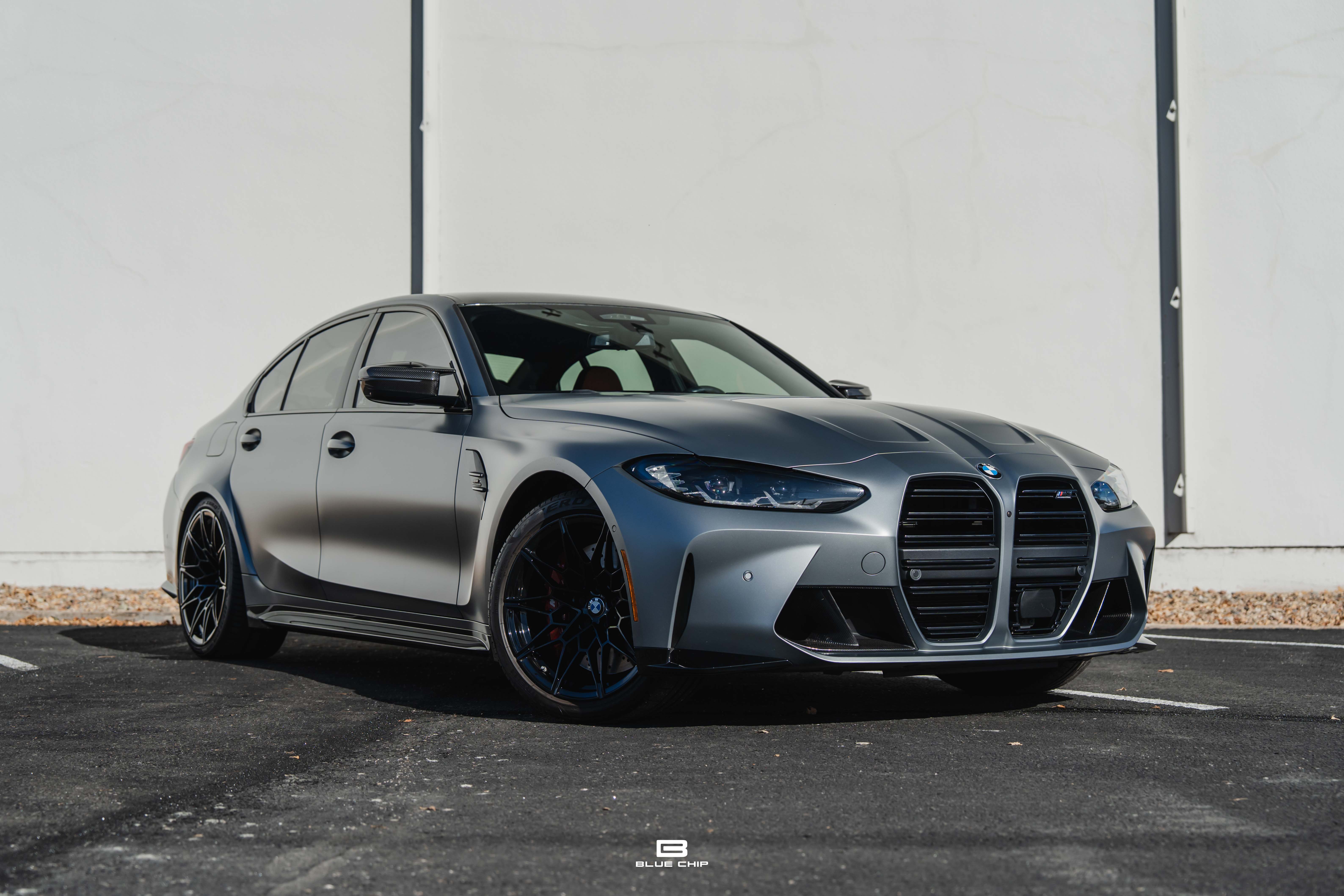
All automakers possess that one model which surpasses its tangible appearance and becomes woven into the tapestry of automotive lore. For Porsche, it’s the 911. For Ferrari, it’s the F40. For BMW, the unequivocal choice is the M3, which marks its 40th anniversary this year.
This assertion bears significant weight given BMW’s rich lineage in vehicle manufacturing. Let’s delve deeper into this subject.
Identifying the Contenders
An earnest dialogue regarding BMW’s most influential vehicle must commence with the Neue Klasse. Launched in 1962, these compact, stylish, four-door models were driver-focused and pivotal in rescuing BMW from potential financial despair. The Neue Klasse laid the foundation for the marque: rear-wheel drive, inline engines, and a cockpit focused on the driver. Without it, BMW as we recognize it today might not have thrived.
Next in line was the 2002. While the Neue Klasse provided financial stability, the 2002 bestowed the brand with character. This nimble two-door captured the hearts of American fans who had once admired muscle cars. The 2002 turbo debuted as Europe’s inaugural turbocharged production vehicle, garnering praise from outlets like Road & Track and Car and Driver, reinforcing BMW’s image as a manufacturer of driver-centric vehicles.
Yet, neither the Neue Klasse nor the 2002 is the first model that springs to mind when one thinks of BMW. That honor belongs to the M3.
The Vehicle That Shaped the Brand
Upon its arrival in 1986, the E30 M3 was crafted as a homologation special for competition in the Deutsche Tourenwagen Meisterschaft (DTM) and Group A rally racing. With rules necessitating a minimum production of road cars, BMW Motorsport engineered a street-legal racing powerhouse: a slender, high-revving sports sedan equipped with a four-cylinder engine that peaked at 8,000 rpm — an unprecedented feat for BMW and others at the time.
It triumphed in the DTM and the European Touring Car Championship, emerging as one of the most successful touring cars in the realm of motorsport. More significantly, it evolved into the dream vehicle for a whole generation of car aficionados.
The M3 embodies more than just speed; right from the launch of the E30, possessing one indicated something exceptional. It wasn’t just a fast BMW — it was the quintessential fast BMW. Each following generation has continued this legacy and upheld this promise.
The Standard for Competitors
A clear representation of the M3’s prominence is that when other manufacturers develop their performance sedans, they look to the M3 as their standard.
When Cadillac set out to create the ATS-V, striving to demonstrate that American luxury could rival European players, their engineers made the journey to Germany, rented M3s, and conducted thorough testing. The M3 was their