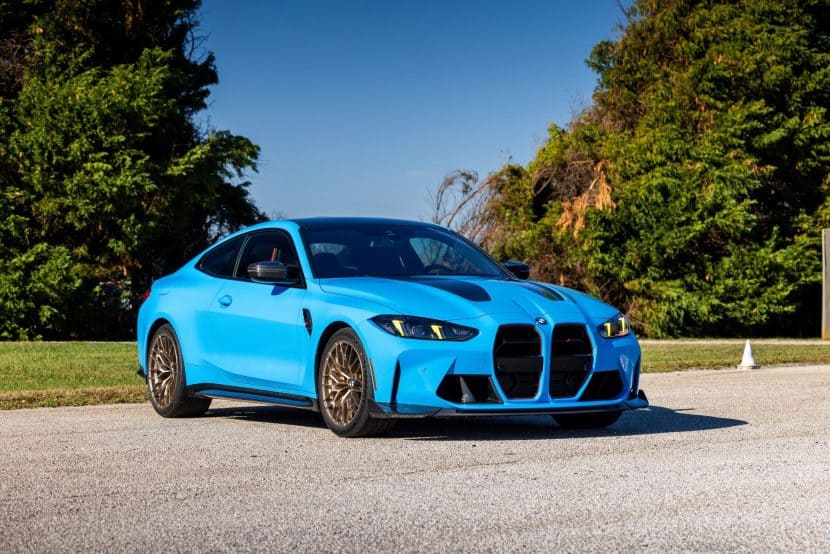
Long before the BMW M3 and M4 introduced options for all-wheel drive, the Nissan GT-R displayed the performance benefits of four-wheel drive. The debut of the R35 GT-R in 2007 represented the first major introduction for Americans to Japan's iconic all-wheel drive sports vehicle. With a Nürburgring lap time that surpassed the contemporary Porsche 911 Turbo and a more competitive price, Nissan positioned the GT-R as a car with true global attraction.
Yet, that was quite a while back. The R35 GT-R was in production for nearly two decades, with the final unit rolling off the assembly line in August 2025. Even though it experienced only minor modifications over time, the last version was significantly more powerful and pricier than the model that launched in Tokyo twenty years prior. Until recently, Nissan had been quite reserved about the prospects of a new generation GT-R. However, Nissan President and CEO Ivan Espinosa recently confirmed to The Drive that “Yes, we are indeed working on the GT-R.”
Does the GT-R Truly Compete with M Cars?
When the Nissan GT-R launched in 2007, its starting price was $69,850, while the M3 at that time was around $55,000. The more expensive V10 M6 was priced at approximately $90,000. Given that the GT-R generated only 20 horsepower less than the M6 and could reach 60 mph quicker thanks to its all-wheel drive, it presented a compelling choice. However, by the conclusion of its production, the landscape had changed drastically. The 2023 Nissan GT-R came with a price of $116,040, exceeding that of the F90 BMW M5 and nearing the current G90 M5, which stands at about $126,000.
Throughout the past two decades, BMW's lineup has also made notable advancements. The M3 and M4 now offer an xDrive option producing over 500 horsepower. As a result, the M3 and M4 xDrive provide faster 0-60 times at a considerably lower cost compared to the GT-R. Nonetheless, Nissan's forthcoming GT-R may alter the balance once more. Espinosa shared limited information, mentioning that the R36 GT-R is “evidence of what [the development team] can achieve technically.” Another Nissan executive noted, “I’d say by 2028 you’ll have some substantial announcements, and ideally before the decade turns, you’ll see an R36 GT-R.”
Regrettably, specific information concerning the new model remains rare. The most significant insights come from a brief seven-second preview video on Nissan’s YouTube channel, which offers minimal details. Apart from the recognizable round taillights and a sleek redesigned front, early reports indicate a hybrid powertrain that builds on the R35’s V6. Nissan executives maintain, “it’s going to be a completely new vehicle.”
It will need to be if Nissan intends to compete with BMW M models. By the later part of the decade, an electric M3 is expected, with a hybrid variant possibly debuting at the same time. Irrespective of the hybrid M3, the current BMW M hybrid lineup is remarkable. Despite its considerable weight and polarizing aesthetics, the G90 M5 features a supercar-like output of 700 horsepower. The XM Label utilizes a comparable powertrain reaching nearly 750 horsepower. Moreover, rivals such as the C8 Corvette Z06 promise a “true” sports car experience at a likely more affordable price. Nissan faces a daunting task if it plans to capture a share of the BMW M market.
Source: The Drive
Long before the BMW M3 and M4 introduced options for all-wheel drive, the Nissan GT-R displayed the performance benefits of four-wheel drive. The debut of the R35 GT-R in 2007 represented the first major introduction for Americans to Japan’s iconic all-wheel drive sports vehicle. With a Nürburgring lap time that surpassed the contemporary Porsche 911 Turbo and a more competitive price, Nissan positioned the GT-R as a car with true global attraction.
Yet, that was quite a while back. The R35 GT-R was in production for nearly two decades, with the final unit rolling off the assembly line in August 2025. Even though it experienced only minor modifications over time, the last version was significantly more powerful and pricier than the model that launched in Tokyo twenty years prior. Until recently, Nissan had been quite reserved about the prospects of a new generation GT-R. However, Nissan President and CEO Ivan Espinosa recently confirmed to The Drive that “Yes, we are indeed working on the GT-R.”
Does the GT-R Truly Compete with M Cars?
When the Nissan GT-R launched in 2007, its starting price was $69,850, while the M3 at that time was around $55,000. The more expensive V10 M6 was priced at approximately $90,000. Given that the GT-R generated only 20 horsepower less than the M6 and could reach 60 mph quicker thanks to its all-wheel drive, it presented a compelling choice. However, by the conclusion of its production, the landscape had changed drastically. The 2023 Nissan GT-R came with a price of $116,040, exceeding that of the F90 BMW M5 and nearing the current G90 M5, which stands at about $126,000.
Throughout the past two decades, BMW’s lineup has also made notable advancements. The M3 and M4 now offer an xDrive option producing over 500 horsepower. As a result, the M3 and M4 xDrive provide faster 0-60 times at a considerably lower cost compared to the GT-R. Nonetheless, Nissan’s forthcoming GT-R may alter the balance once more. Espinosa shared limited information, mentioning that the R36 GT-R is “evidence of what [the development team] can achieve technically.” Another Nissan executive noted, “I’d say by 2028 you’ll have some substantial announcements, and ideally before the decade turns, you’ll see an R36 GT-R.”
Regrettably, specific information concerning the new model remains rare. The most significant insights come from a brief seven-second preview video on Nissan’s YouTube channel, which offers minimal details. Apart from the recognizable round taillights and a sleek redesigned front, early reports indicate a hybrid powertrain that builds on the R35’s V6. Nissan executives maintain, “it’s going to be a completely new vehicle.”
It will need to be if Nissan intends to compete with BMW M models. By the later part of the decade, an electric M3 is expected, with a hybrid variant possibly debuting at the same time. Irrespective of the hybrid M3, the current BMW M hybrid lineup is remarkable. Despite its considerable weight and polarizing aesthetics, the G90 M5 features a supercar-like output of 700 horsepower. The XM Label utilizes a comparable powertrain reaching nearly 750 horsepower. Moreover, rivals such as the C8 Corvette Z06 promise a “true” sports car experience at a likely more affordable price. Nissan faces a daunting task if it plans to capture a share of the BMW M market.
Source: The Drive