May 7, 2026
8 Surprising Collision Situations Triggered by Failures in Automotive Safety Systems
**Title: 8 Unforeseen Crash Situations Triggered by Failures in Car Safety Technology**In recent times, enhancements in vehicle safety technology have notably diminished the frequency of road accidents. Nonetheless, similar to any technological innovation, there are occasions when these systems may break down, resulting in unforeseen crash situations. Here are eight instances in which failures in car safety technology have led to accidents:1. **Failure of the Autonomous Braking System**: Autonomous Emergency Braking (AEB) systems are intended to avert collisions by automatically engaging the brakes. However, there are situations where these systems have been unable to recognize obstacles, resulting in rear-end crashes. For example, a vehicle might not detect a stationary object, like a parked vehicle, leading to a collision.2. **Unwarranted Activation of Lane Keeping Assist**: Lane Keeping Assist (LKA) systems assist drivers in remaining within their lanes. Malfunctions can trigger the system unnecessarily, steering the vehicle towards the middle of the road even if the driver aims to change lanes, potentially resulting in side-swipe incidents.3. **Errors in Blind Spot Monitoring**: Blind Spot Monitoring (BSM) systems inform drivers of vehicles located in their blind spots. A faulty system may fail to spot a vehicle, resulting in lane change collisions. Conversely, false alerts may cause drivers to hesitate or execute abrupt maneuvers, raising the likelihood of an accident.4. **Misjudgment by Adaptive Cruise Control**: Adaptive Cruise Control (ACC) modifies a vehicle's speed to maintain a safe distance from the car in front. If the system miscalculates speed or distance, it can result in sudden braking or acceleration, causing rear-end collisions or a loss of control.5. **Mistakes in Traffic Sign Recognition**: Traffic Sign Recognition (TSR) systems interpret road signs and display information to the driver. Misreading speed limits or stop signs can lead to speeding or failing to halt, resulting in traffic violations and possible accidents.6. **Blind Spots in Pedestrian Detection Systems**: Pedestrian Detection Systems are meant to detect and notify drivers of pedestrians. Malfunctions, such as not recognizing pedestrians in dim lighting or when partially obstructed, can lead to devastating accidents.7. **Excessive Dependence on Parking Assist Features**: Parking Assist systems aid drivers in parking their vehicles safely. Malfunctions may result in the system inaccurately assessing distances or failing to detect obstacles, causing collisions with other vehicles or objects during parking efforts.8. **Malfunction of Electronic Stability Control**: Electronic Stability Control (ESC) plays a vital role in maintaining vehicle control during skidding. A breakdown can hinder the system from activating when necessary, heightening the risk of rollovers or loss of control on slippery surfaces.Although vehicle safety technologies have certainly improved road safety, these failures underscore the necessity for routine maintenance and updates to these systems. Drivers should stay alert and should not solely depend on technology, ensuring they are prepared to take control when required.


**Title: 8 Unforeseen Crash Situations Triggered by Failures in Car Safety Technology**

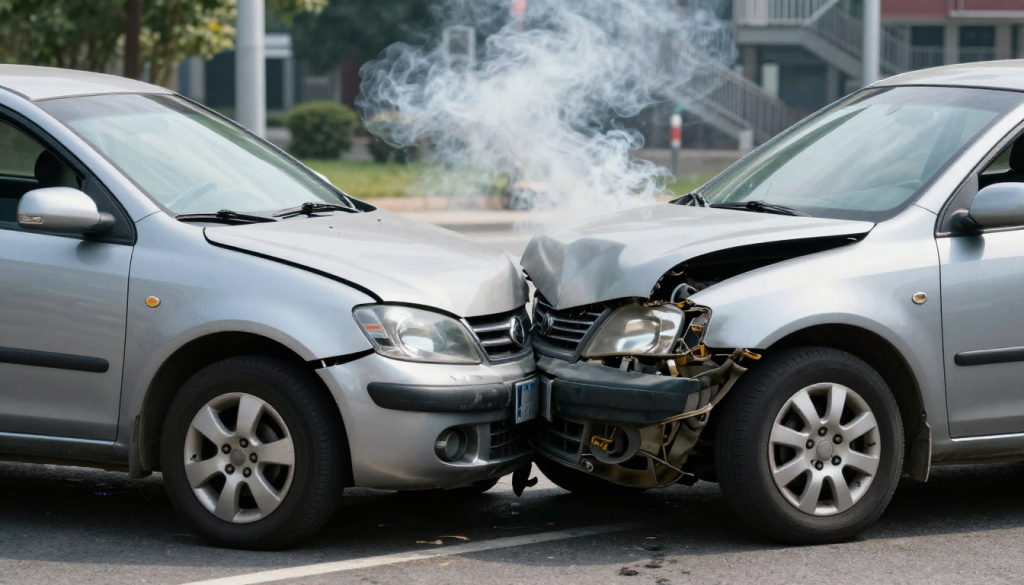
In recent times, enhancements in vehicle safety technology have notably diminished the frequency of road accidents. Nonetheless, similar to any technological innovation, there are occasions when these systems may break down, resulting in unforeseen crash situations. Here are eight instances in which failures in car safety technology have led to accidents:

1. **Failure of the Autonomous Braking System**: Autonomous Emergency Braking (AEB) systems are intended to avert collisions by automatically engaging the brakes. However, there are situations where these systems have been unable to recognize obstacles, resulting in rear-end crashes. For example, a vehicle might not detect a stationary object, like a parked vehicle, leading to a collision.

2. **Unwarranted Activation of Lane Keeping Assist**: Lane Keeping Assist (LKA) systems assist drivers in remaining within their lanes. Malfunctions can trigger the system unnecessarily, steering the vehicle towards the middle of the road even if the driver aims to change lanes, potentially resulting in side-swipe incidents.

3. **Errors in Blind Spot Monitoring**: Blind Spot Monitoring (BSM) systems inform drivers of vehicles located in their blind spots. A faulty system may fail to spot a vehicle, resulting in lane change collisions. Conversely, false alerts may cause drivers to hesitate or execute abrupt maneuvers, raising the likelihood of an accident.

4. **Misjudgment by Adaptive Cruise Control**: Adaptive Cruise Control (ACC) modifies a vehicle’s speed to maintain a safe distance from the car in front. If the system miscalculates speed or distance, it can result in sudden braking or acceleration, causing rear-end collisions or a loss of control.

5. **Mistakes in Traffic Sign Recognition**: Traffic Sign Recognition (TSR) systems interpret road signs and display information to the driver. Misreading speed limits or stop signs can lead to speeding or failing to halt, resulting in traffic violations and possible accidents.

6. **Blind Spots in Pedestrian Detection Systems**: Pedestrian Detection Systems are meant to detect and notify drivers of pedestrians. Malfunctions, such as not recognizing pedestrians in dim lighting or when partially obstructed, can lead to devastating accidents.

7. **Excessive Dependence on Parking Assist Features**: Parking Assist systems aid drivers in parking their vehicles safely. Malfunctions may result in the system inaccurately assessing distances or failing to detect obstacles, causing collisions with other vehicles or objects during parking efforts.

8. **Malfunction of Electronic Stability Control**: Electronic Stability Control (ESC) plays a vital role in maintaining vehicle control during skidding. A breakdown can hinder the system from activating when necessary, heightening the risk of rollovers or loss of control on slippery surfaces.

Although vehicle safety technologies have certainly improved road safety, these failures underscore the necessity for routine maintenance and updates to these systems. Drivers should stay alert and should not solely depend on technology, ensuring they are prepared to take control when required.