Article Overview
- BMW's Technology Openness framework—balancing combustion, hybrid, and electric vehicles (EVs) concurrently—was affirmed as VW, Mercedes, and GM retracted their full-electric pledges.
- Zipse exits with the Neue Klasse entering production, representing BMW's most significant EV investment in years, setting his successor up for success.
- Sales in China dropped from 826,300 units in 2023 to 625,527 in 2025—the new challenge for incoming CEO Milan Nedeljkovic.
Oliver Zipse started with BMW as an apprentice in 1991 and departs as the CEO who steered the company through a pandemic, chip shortages, and major strategic issues, handing off a platform—the Neue Klasse—that will influence BMW’s offerings for the next ten years.
During his time as CEO, Zipse upheld a consistent viewpoint on electrification: BMW would create EVs while continuing to offer other types until the market's needs evolved. “E-mobility as the exclusive technology leads to a dead end,” he expressed to shareholders in May 2025, a notion he had voiced since 2021, even as Herbert Diess at Volkswagen criticized BMW for its cautious approach. Diess is no longer part of VW; Zipse leaves on his own accord.
While Rivals Fully Committed, BMW Hesitated
In 2021 and 2022, the German luxury market effectively declared combustion engines obsolete. Mercedes-Benz set a target for all-electric by 2030 “where market conditions permit,” a statement it later used when retracting its strategy. Volkswagen heavily invested in its ID platform, while Volvo pledged complete electrification by 2030. GM abandoned hybrids to chase Tesla, only to spend the following three years reconstructing its hybrid offerings. During this phase, the German media criticized BMW for not keeping pace, branding it as cautious and overly attached to combustion engines. We were among those critics.
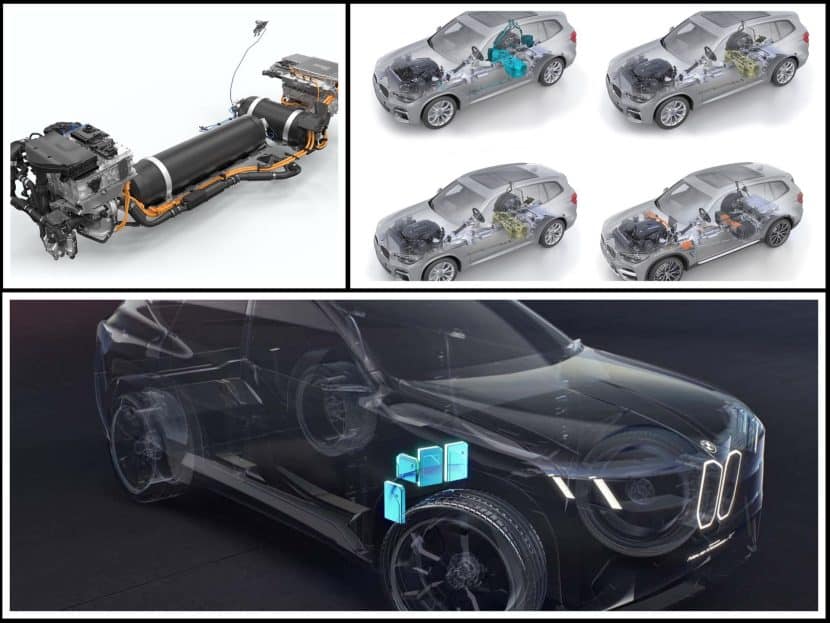
BMW's counter was its Technology Openness strategy—adopting combustion, plug-in hybrids, battery EVs, and hydrogen at the same time. “Technology openness signifies aligning with market trends,” Zipse clarified, “because markets develop, but not uniformly.”
This viewpoint appears sound now, but it was contentious in 2022 when he encountered mounting pressure from European regulations, investors, and an industry that had predominantly chosen a distinct direction.
Where Rivals Miscalculated
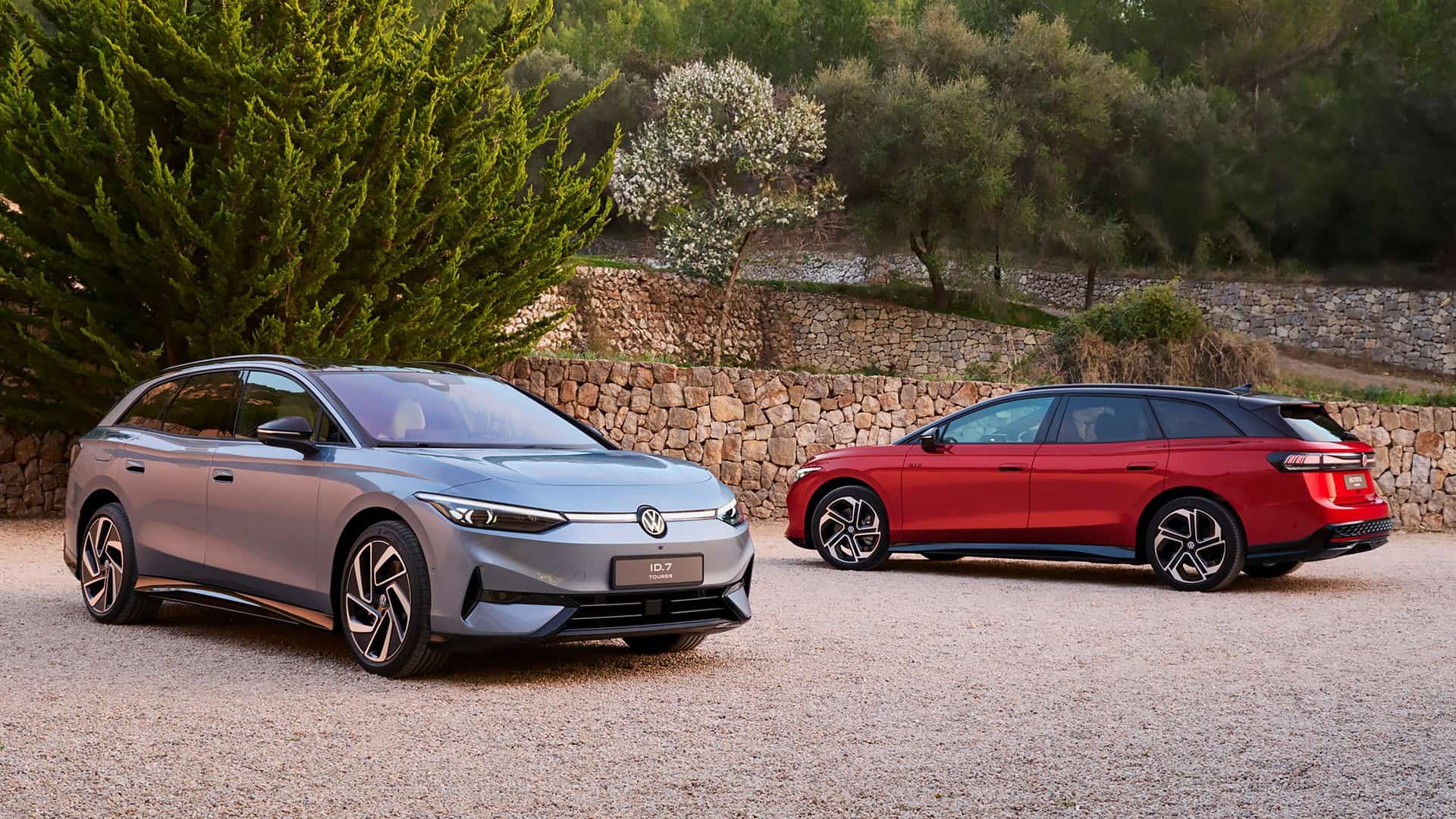
Volkswagen's ID series consistently missed sales expectations. Cariad, VW's software sector intended to bolster its EV future, became a warning example of squandered billions, lost years, and postponed products. Mercedes shifted its focus to a more premium market under Ola Kallenius, trading volume for profit margins, only to discover that local Chinese brands had occupied the mid-range space and were encroaching on the premium sector. Audi has struggled to regain its position in China since 2023.
Throughout most of Zipse’s leadership period, BMW outperformed both rivals in global sales, consistently leading the German premium market, while Audi and Mercedes lagged. This achievement was not because of neglecting EVs; in 2024, BMW delivered 426,536 battery electric vehicles (BEVs), a 13.5% rise compared to the previous year, across more than 15 fully electric models. Nearly 25% of BMW Group vehicles sold that year were electrified.
The strategy was not about shunning EVs; it was about catering to consumers who still desired combustion vehicles while simultaneously crafting electric alternatives for those who preferred them. This approach was simple in principle but complex in execution, especially with analysts and regulators pressing for a more decisive position.
The Neue Klasse: A Bold Decision
BMW
Article Overview
- BMW’s Technology Openness framework—balancing combustion, hybrid, and electric vehicles (EVs) concurrently—was affirmed as VW, Mercedes, and GM retracted their full-electric pledges.
- Zipse exits with the Neue Klasse entering production, representing BMW’s most significant EV investment in years, setting his successor up for success.
- Sales in China dropped from 826,300 units in 2023 to 625,527 in 2025—the new challenge for incoming CEO Milan Nedeljkovic.
Oliver Zipse started with BMW as an apprentice in 1991 and departs as the CEO who steered the company through a pandemic, chip shortages, and major strategic issues, handing off a platform—the Neue Klasse—that will influence BMW’s offerings for the next ten years.
During his time as CEO, Zipse upheld a consistent viewpoint on electrification: BMW would create EVs while continuing to offer other types until the market’s needs evolved. “E-mobility as the exclusive technology leads to a dead end,” he expressed to shareholders in May 2025, a notion he had voiced since 2021, even as Herbert Diess at Volkswagen criticized BMW for its cautious approach. Diess is no longer part of VW; Zipse leaves on his own accord.
While Rivals Fully Committed, BMW Hesitated
In 2021 and 2022, the German luxury market effectively declared combustion engines obsolete. Mercedes-Benz set a target for all-electric by 2030 “where market conditions permit,” a statement it later used when retracting its strategy. Volkswagen heavily invested in its ID platform, while Volvo pledged complete electrification by 2030. GM abandoned hybrids to chase Tesla, only to spend the following three years reconstructing its hybrid offerings. During this phase, the German media criticized BMW for not keeping pace, branding it as cautious and overly attached to combustion engines. We were among those critics.
BMW’s counter was its Technology Openness strategy—adopting combustion, plug-in hybrids, battery EVs, and hydrogen at the same time. “Technology openness signifies aligning with market trends,” Zipse clarified, “because markets develop, but not uniformly.”
This viewpoint appears sound now, but it was contentious in 2022 when he encountered mounting pressure from European regulations, investors, and an industry that had predominantly chosen a distinct direction.
Where Rivals Miscalculated
Volkswagen’s ID series consistently missed sales expectations. Cariad, VW’s software sector intended to bolster its EV future, became a warning example of squandered billions, lost years, and postponed products. Mercedes shifted its focus to a more premium market under Ola Kallenius, trading volume for profit margins, only to discover that local Chinese brands had occupied the mid-range space and were encroaching on the premium sector. Audi has struggled to regain its position in China since 2023.
Throughout most of Zipse’s leadership period, BMW outperformed both rivals in global sales, consistently leading the German premium market, while Audi and Mercedes lagged. This achievement was not because of neglecting EVs; in 2024, BMW delivered 426,536 battery electric vehicles (BEVs), a 13.5% rise compared to the previous year, across more than 15 fully electric models. Nearly 25% of BMW Group vehicles sold that year were electrified.
The strategy was not about shunning EVs; it was about catering to consumers who still desired combustion vehicles while simultaneously crafting electric alternatives for those who preferred them. This approach was simple in principle but complex in execution, especially with analysts and regulators pressing for a more decisive position.
The Neue Klasse: A Bold Decision
BMW