
June 25, 2026
Polestar Declares Halt of Vehicle Sales in the U.S. Starting with 2027 Models
**Polestar Declares Halt of U.S. Vehicle Sales Starting with 2027 Models**In an unexpected shift that has shaken the automotive sector, Polestar, the Swedish electric performance vehicle brand, has revealed that it will discontinue vehicle sales in the United States beginning with its 2027 models. This choice signifies a considerable change in the company’s approach, as the U.S. market has been vital for Polestar's expansion and brand visibility.**Background and Context**Polestar, a brand that emerged from the partnership between Volvo Cars and its parent firm Geely Holding, has been leading the charge in the electric vehicle (EV) transformation. Recognized for its dedication to eco-friendliness and innovative design, Polestar has established itself as a frontrunner in the premium EV market. The firm’s portfolio, which includes the Polestar 2 and the forthcoming Polestar 3 and 4, has garnered positive reception in the U.S., where the appetite for electric vehicles continues to grow.**Factors Influencing the Decision**Although Polestar has not revealed all the specifics behind this decision, a number of elements may have contributed to this strategic change:1. **Market Conditions**: The U.S. automotive arena is intensely competitive, with many established and new entrants in the EV sector. Polestar might have chosen to redirect its efforts towards markets that present enhanced growth potential and reduced competition.2. **Regulatory Hurdles**: Navigating the intricate regulatory landscape in the U.S., which includes diverse state laws and federal statutes, can pose difficulties for automakers. Polestar might be aiming to streamline its operations by focusing on areas with more conducive regulatory environments.3. **Supply Chain and Manufacturing Factors**: Worldwide supply chain issues and production hurdles have influenced the automotive landscape. Polestar’s decision could be a component of a wider strategy to refine its supply chain and manufacturing capabilities by concentrating on select markets.4. **Strategic Reorientation**: Polestar could be realigning its international strategy to give precedence to markets that more closely resonate with its long-term objectives and aspirations. This might mean amplifying its footprint in Europe and Asia, where EV adoption is rapidly increasing.**Consequences for the U.S. Market**Halting vehicle sales in the U.S. will undoubtedly affect the brand's visibility and customer base within the country. Current users and potential buyers may express worries regarding service, upkeep, and parts availability. Polestar will need to tackle these issues to uphold customer confidence and brand loyalty.Moreover, this decision could pave the way for other EV manufacturers to seize market opportunities in the premium segment. Companies such as Tesla, Lucid Motors, and Rivian, along with traditional automakers broadening their EV offerings, may gain from Polestar’s exit.**Future Perspective**Even though Polestar’s choice to halt U.S. vehicle sales is momentous, it does not necessarily signal a total exit from the market. The company might continue to interact with U.S. consumers via other channels, such as digital platforms, collaborations, or future initiatives that align with its sustainability ambitions.As the automotive sector progresses, Polestar’s strategic decisions will be closely monitored by industry experts and competitors alike. The brand’s dedication to innovation and sustainability remains steadfast, and its upcoming projects are likely to reflect these essential principles.In summary, Polestar’s announcement signifies a crucial moment in its evolution as a global EV brand. While the halting of U.S. vehicle sales beginning with the 2027 models may pose challenges, it also opens up new possibilities for advancement and innovation in alternative markets. As the globe shifts towards a more sustainable future, Polestar’s strategic choices will be instrumental in shaping the electric vehicle industry landscape.


**Polestar Declares Halt of U.S. Vehicle Sales Starting with 2027 Models**

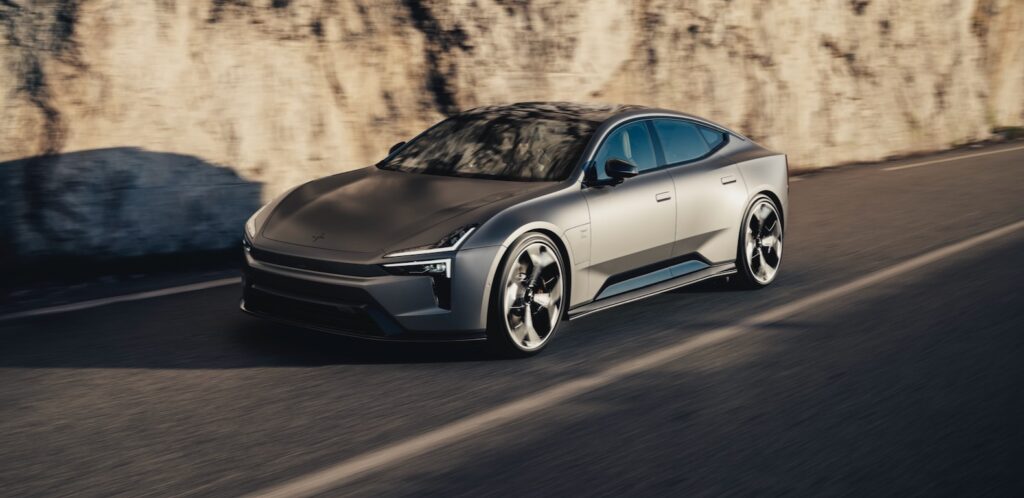
In an unexpected shift that has shaken the automotive sector, Polestar, the Swedish electric performance vehicle brand, has revealed that it will discontinue vehicle sales in the United States beginning with its 2027 models. This choice signifies a considerable change in the company’s approach, as the U.S. market has been vital for Polestar’s expansion and brand visibility.

**Background and Context**

Polestar, a brand that emerged from the partnership between Volvo Cars and its parent firm Geely Holding, has been leading the charge in the electric vehicle (EV) transformation. Recognized for its dedication to eco-friendliness and innovative design, Polestar has established itself as a frontrunner in the premium EV market. The firm’s portfolio, which includes the Polestar 2 and the forthcoming Polestar 3 and 4, has garnered positive reception in the U.S., where the appetite for electric vehicles continues to grow.

**Factors Influencing the Decision**

Although Polestar has not revealed all the specifics behind this decision, a number of elements may have contributed to this strategic change:

1. **Market Conditions**: The U.S. automotive arena is intensely competitive, with many established and new entrants in the EV sector. Polestar might have chosen to redirect its efforts towards markets that present enhanced growth potential and reduced competition.

2. **Regulatory Hurdles**: Navigating the intricate regulatory landscape in the U.S., which includes diverse state laws and federal statutes, can pose difficulties for automakers. Polestar might be aiming to streamline its operations by focusing on areas with more conducive regulatory environments.

3. **Supply Chain and Manufacturing Factors**: Worldwide supply chain issues and production hurdles have influenced the automotive landscape. Polestar’s decision could be a component of a wider strategy to refine its supply chain and manufacturing capabilities by concentrating on select markets.

4. **Strategic Reorientation**: Polestar could be realigning its international strategy to give precedence to markets that more closely resonate with its long-term objectives and aspirations. This might mean amplifying its footprint in Europe and Asia, where EV adoption is rapidly increasing.

**Consequences for the U.S. Market**

Halting vehicle sales in the U.S. will undoubtedly affect the brand’s visibility and customer base within the country. Current users and potential buyers may express worries regarding service, upkeep, and parts availability. Polestar will need to tackle these issues to uphold customer confidence and brand loyalty.

Moreover, this decision could pave the way for other EV manufacturers to seize market opportunities in the premium segment. Companies such as Tesla, Lucid Motors, and Rivian, along with traditional automakers broadening their EV offerings, may gain from Polestar’s exit.

**Future Perspective**

Even though Polestar’s choice to halt U.S. vehicle sales is momentous, it does not necessarily signal a total exit from the market. The company might continue to interact with U.S. consumers via other channels, such as digital platforms, collaborations, or future initiatives that align with its sustainability ambitions.

As the automotive sector progresses, Polestar’s strategic decisions will be closely monitored by industry experts and competitors alike. The brand’s dedication to innovation and sustainability remains steadfast, and its upcoming projects are likely to reflect these essential principles.

In summary, Polestar’s announcement signifies a crucial moment in its evolution as a global EV brand. While the halting of U.S. vehicle sales beginning with the 2027 models may pose challenges, it also opens up new possibilities for advancement and innovation in alternative markets. As the globe shifts towards a more sustainable future, Polestar’s strategic choices will be instrumental in shaping the electric vehicle industry landscape.