
August 11, 2026
PAMA Report: Pakistan's Automotive Sales Plummet by 19% in June 2026
**PAMA Report: Car Sales in Pakistan Drop by 19% in June 2026**A recent publication from the Pakistan Automotive Manufacturers Association (PAMA) has disclosed that car sales in Pakistan have undergone a notable reduction of 19% in June 2026 compared to the corresponding month from the previous year. This decline represents a worrying trend for the nation's automotive sector, which has been contending with numerous challenges in recent years.**Reasons Behind the Decrease**Various elements have led to the slump in car sales. A major factor is the persistent economic instability within the country. Rising inflation rates have escalated living costs and diminished consumers' disposable income. Consequently, prospective car buyers are deferring their purchases or choosing more economical options.Moreover, the depreciation of the Pakistani rupee against key currencies has resulted in increased expenses for imported automotive parts and components. This situation has compelled manufacturers to raise vehicle prices, further discouraging potential buyers.Governmental policies concerning vehicle imports and taxation have also influenced the downturn. Elevated import taxes and duties on automobiles have made it pricier for consumers to acquire new cars. Additionally, the absence of incentives for domestic producers to create affordable vehicles has intensified the predicament.**Consequences for the Automotive Sector**The reduction in car sales has generated a ripple effect throughout Pakistan's automotive industry. Domestic manufacturers are confronting lower production levels, which may lead to layoffs and decreased working hours for their workforce. The sales decline has also affected the supply chain, impacting firms that depend on the automotive industry for their income.Dealerships nationwide are witnessing a drop in customer visits and diminished sales figures, resultantly causing financial pressure and, in some instances, closures. However, the pre-owned car market has seen a modest increase as consumers seek more budget-conscious options.**Future Prospects**The future of Pakistan's automotive industry remains ambiguous. To combat the sales decline, industry analysts advocate for the government to reconsider its policies to relieve both manufacturers and consumers. Lowering import taxes, providing tax breaks for local manufacturing, and introducing consumer-friendly financing alternatives could foster demand.Additionally, investment in infrastructure and the promotion of electric vehicles might create new growth opportunities within the sector. Supporting the formation of a strong domestic automotive industry could also lessen reliance on imports and stabilize price levels.In summary, while the PAMA report reflects a tough phase for Pakistan's automotive sector, it simultaneously offers a chance for stakeholders to unite and develop strategies that could rejuvenate the industry. By tackling the core issues and nurturing a conducive environment, there is potential for recovery and expansion in the years ahead.

**PAMA Report: Car Sales in Pakistan Drop by 19% in June 2026**

A recent publication from the Pakistan Automotive Manufacturers Association (PAMA) has disclosed that car sales in Pakistan have undergone a notable reduction of 19% in June 2026 compared to the corresponding month from the previous year. This decline represents a worrying trend for the nation’s automotive sector, which has been contending with numerous challenges in recent years.

**Reasons Behind the Decrease**

Various elements have led to the slump in car sales. A major factor is the persistent economic instability within the country. Rising inflation rates have escalated living costs and diminished consumers’ disposable income. Consequently, prospective car buyers are deferring their purchases or choosing more economical options.

Moreover, the depreciation of the Pakistani rupee against key currencies has resulted in increased expenses for imported automotive parts and components. This situation has compelled manufacturers to raise vehicle prices, further discouraging potential buyers.

Governmental policies concerning vehicle imports and taxation have also influenced the downturn. Elevated import taxes and duties on automobiles have made it pricier for consumers to acquire new cars. Additionally, the absence of incentives for domestic producers to create affordable vehicles has intensified the predicament.

**Consequences for the Automotive Sector**

The reduction in car sales has generated a ripple effect throughout Pakistan’s automotive industry. Domestic manufacturers are confronting lower production levels, which may lead to layoffs and decreased working hours for their workforce. The sales decline has also affected the supply chain, impacting firms that depend on the automotive industry for their income.

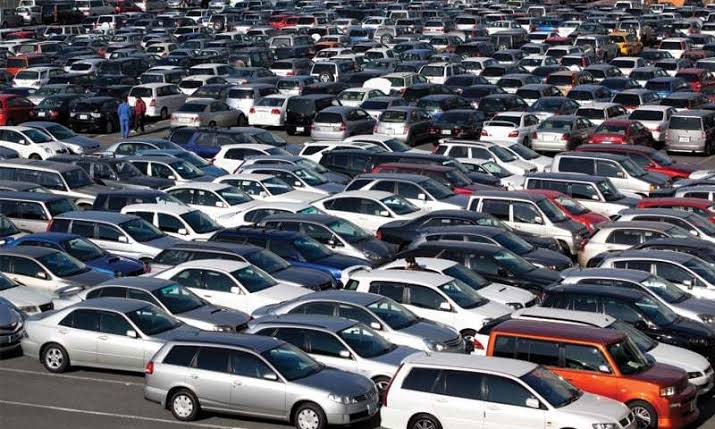
Dealerships nationwide are witnessing a drop in customer visits and diminished sales figures, resultantly causing financial pressure and, in some instances, closures. However, the pre-owned car market has seen a modest increase as consumers seek more budget-conscious options.

**Future Prospects**

The future of Pakistan’s automotive industry remains ambiguous. To combat the sales decline, industry analysts advocate for the government to reconsider its policies to relieve both manufacturers and consumers. Lowering import taxes, providing tax breaks for local manufacturing, and introducing consumer-friendly financing alternatives could foster demand.

Additionally, investment in infrastructure and the promotion of electric vehicles might create new growth opportunities within the sector. Supporting the formation of a strong domestic automotive industry could also lessen reliance on imports and stabilize price levels.

In summary, while the PAMA report reflects a tough phase for Pakistan’s automotive sector, it simultaneously offers a chance for stakeholders to unite and develop strategies that could rejuvenate the industry. By tackling the core issues and nurturing a conducive environment, there is potential for recovery and expansion in the years ahead.