
**Title: Notable Decrease in Fuel Costs: Petrol and Diesel Experience Significant Cuts**
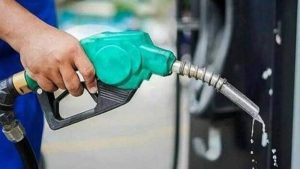
In a decision that offers relief to consumers nationwide, the government has revealed a decrease in fuel costs. Petrol prices have been reduced by Rs 1.70 per liter, while diesel prices have experienced a more substantial drop of Rs 3.12 per liter. This choice is anticipated to have extensive implications across various sectors, including transportation and agriculture, and is expected to be positively received by both individual consumers and businesses.
**Impact on Consumers:**
The decline in fuel costs serves as a considerable relief for daily consumers who depend on petrol and diesel for their routine travel. With the cost of living rising, this reduction in fuel prices is set to alleviate the financial strain on households. Consumers can look forward to a decrease in their monthly transportation expenses, enabling more disposable income to be directed toward other essentials.
**Economic Implications:**
Decreased fuel prices can create a ripple effect throughout the economy. Transportation expenses are a key element of the pricing framework for products and services. As diesel is the primary fuel for trucks and commercial vehicles, the drop in diesel prices is likely to lower the cost of transporting goods. This could result in reduced prices for consumer products, thereby alleviating inflationary pressures.
**Impact on Agriculture:**
The agriculture sector, which significantly relies on diesel for running machinery and transporting produce, will also gain from the lower diesel prices. Diminished operational costs may enhance profitability for farmers and potentially result in lower prices for agricultural goods, benefiting both producers and consumers.
**Environmental Considerations:**
Although the decline in fuel prices is advantageous economically, it is vital to contemplate the environmental repercussions. Reduced fuel costs can spur greater consumption, potentially leading to increased carbon emissions. Policymakers must find a way to balance economic advantages with environmental sustainability, perhaps through investments in cleaner energy alternatives and promotion of energy efficiency.
**Conclusion:**
The decrease in petrol and diesel prices is a positive development for both consumers and businesses. It promises to lower transportation costs, mitigate inflation, and offer some economic relief. However, it is essential for the government and stakeholders to keep seeking sustainable energy options to guarantee long-term economic and environmental well-being. As the country adapts to these changes, the emphasis should remain on striking a balance between economic growth and environmental accountability.