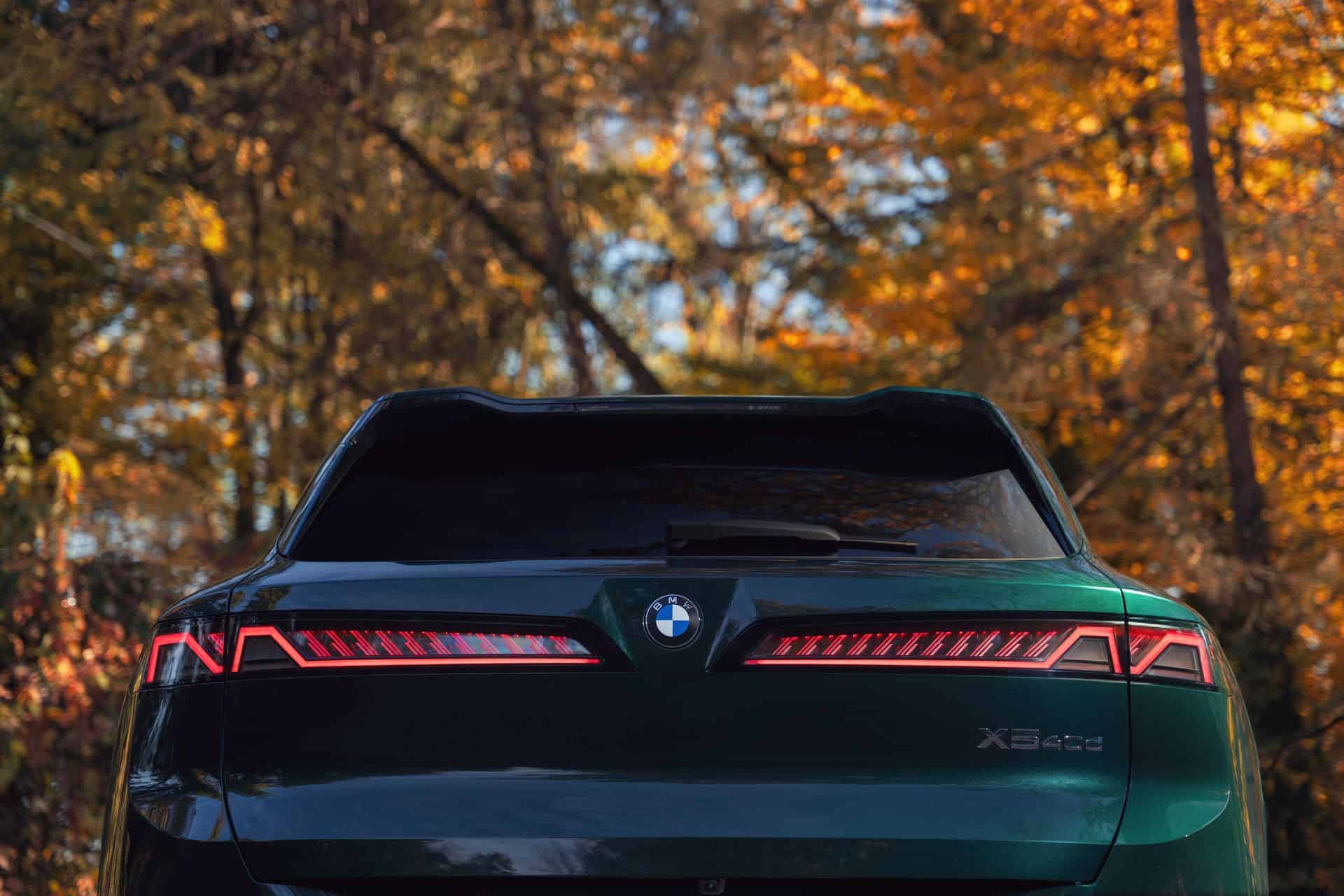
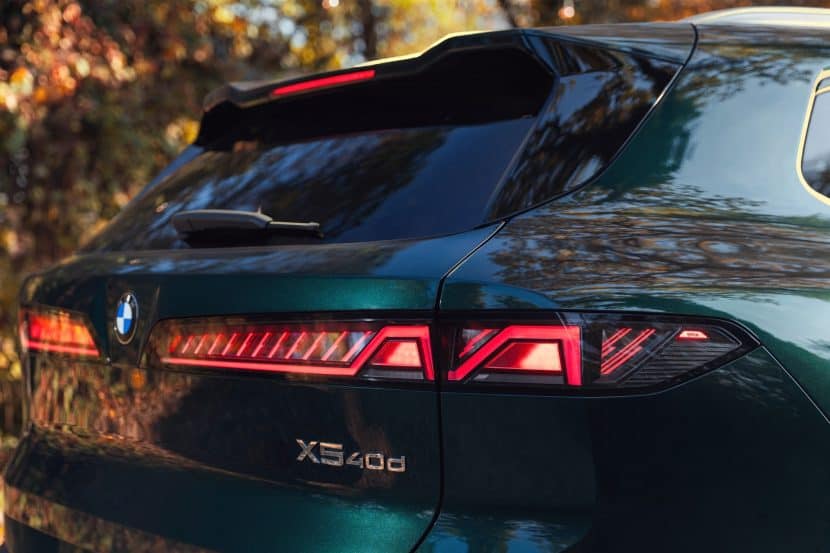
Diesel might be losing ground, but BMW isn’t ready to pull the plug. Quite the opposite, actually. The German luxury automaker is sticking with the six-cylinder oil burner in its new X5 because customers continue to demand it. The sales figures from Australia explain why.
According to data BMW Australia shared with WhichCar, 2,395 diesel-powered X5s found homes Down Under in 2025. That’s roughly 66% of the model’s total sales. Gasoline versions accounted for 26.5%, while the plug-in hybrid made up the remaining 7.5%. In other words, roughly two out of every three customers chose diesel over the alternatives. That’s hardly a niche audience BMW can afford to ignore.
“Diesel makes up 60% to 70% of what we sell here in Australia with the X5,” BMW Australia’s Head of Product, Brendan Michel, told the publication. Those numbers explain why the fifth-generation X5 launched with a diesel engine despite the industry’s move away from this type of powertrain.
BMW’s Power Of Choice Means Diesel Is Sticking Around
Rising fuel prices could eventually influence buying decisions, particularly given the recent spike in diesel costs. However, BMW Australia isn’t predicting whether that will change the traditional sales split. Instead, the company says its strategy reflects its customers’ different needs.
That’s essentially the Power of Choice philosophy in action. Rather than forcing everyone into the same type of powertrain, BMW intends to offer several alternatives and let buyers decide what works best for them. There is a caveat, though: Engineers have significantly detuned the B57 to meet stricter emissions regulations.
The X5 won’t be the only large SUV with an oil-burning six-cylinder. The next-generation X7, confirmed to arrive sometime next year, will also offer a diesel engine. Similarly, the facelifted 5 Series, due in 2027, will continue to burn diesel. The redesigned X6 should follow in 2028 with its own diesel option.
Diesel Engines Will Eventually Be Phased Out
Diesel may no longer dominate the conversation, but BMW’s biggest SUVs and sedans aren’t ready to give it up. As long as customers keep buying them, there’s little reason for the company to stop building them. After all, automakers are in the business of selling cars, not winning arguments about which powertrain should survive.
Diesel’s decline isn’t solely the result of increasingly strict emissions regulations making these engines more expensive and difficult to develop. Plug-in hybrids and fully electric vehicles are getting considerably better, narrowing the efficiency advantage that once made diesel so appealing.
Inevitably, diesel will reach the end of the road. It’s likely to disappear from smaller cars first. That’s already happening with the 3 Series Sedan (G50), although Munich has left the door open for the G51 Touring to keep diesel alive in the 3 Series lineup. Regardless, don’t expect more than a handful of BMW models to still offer diesel engines after 2030.
Source: WhichCar
First published by https://www.bmwblog.com