Article Summary
- The iX3 50 xDrive reached 749 km (465 miles) at a speed of 90 km/h, utilizing 12.9 kWh/100 km, marking the pinnacle in Nyland's comprehensive automotive database.
- This enhancement from April's 724 km was exclusively attributed to the transition from 21-inch Goodyear Eagle F1 tires to 20-inch Hankook Ion Evo SUV tires.
- At a velocity of 120 km/h, the iX3 managed 543 km, placing it just behind the Lucid Air Dream Edition, which completed 1,000 km in 8 hours and 49 minutes.
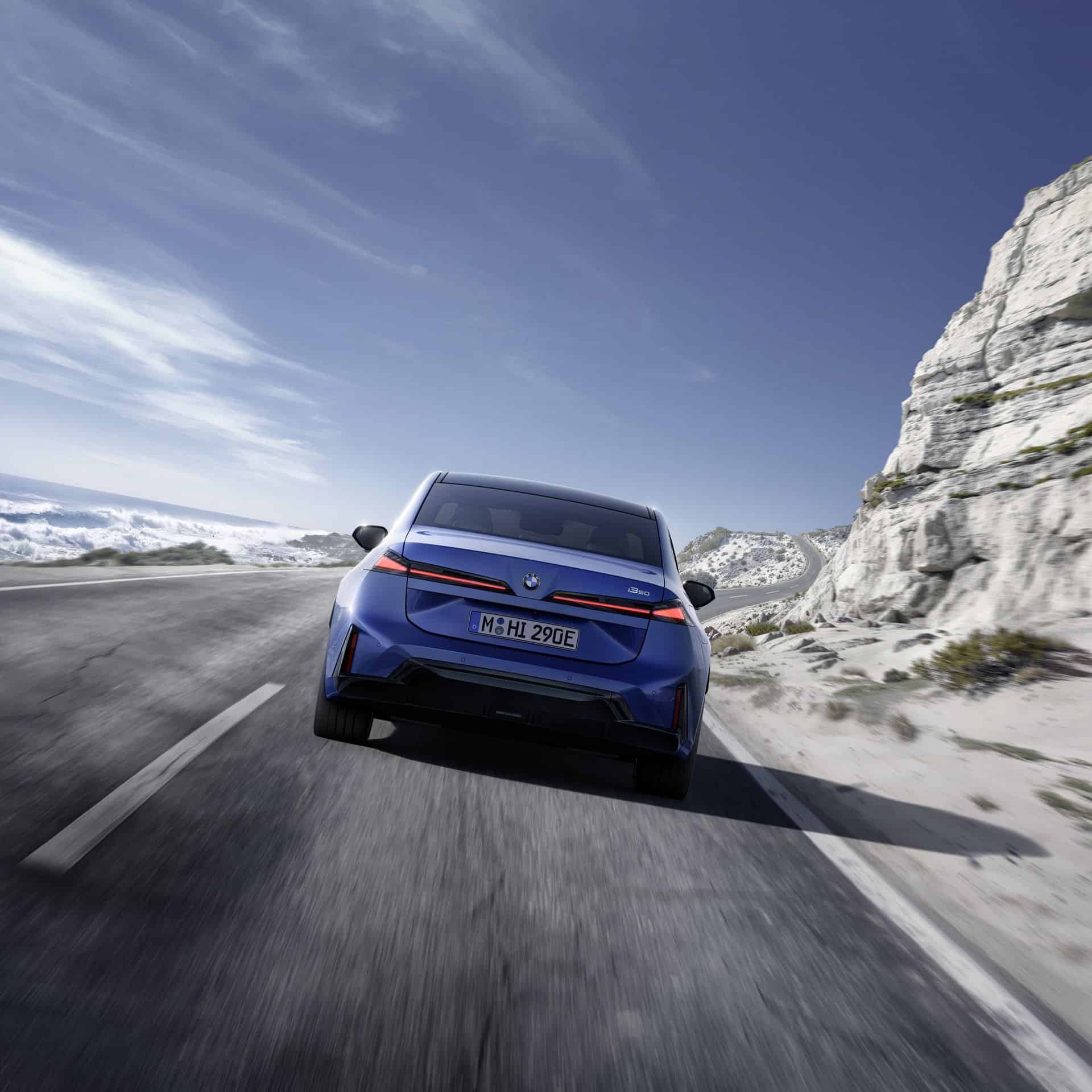
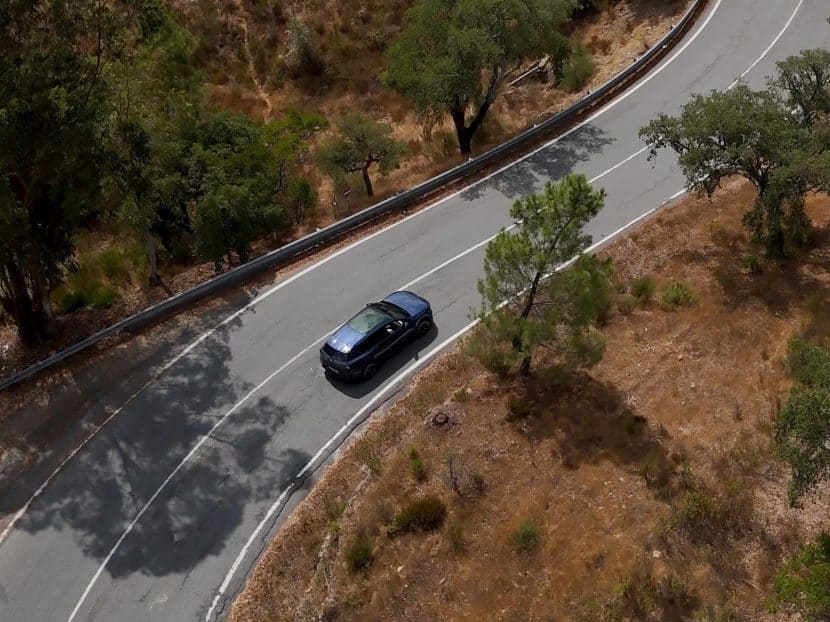
The BMW iX3 50 xDrive has recently accomplished 749 km (465 miles) on a single charge at 90 km/h (56 mph) during Bjorn Nyland's highway evaluation, consuming 12.9 kWh per 100 km. Back in April, the Neue Klasse SUV noted a distance of 724 km (450 miles), thus establishing a record at that point. While the powertrain has remained the same, the choice of tires has changed. The earlier assessment employed 21-inch wheels fitted with Goodyear Eagle F1 tires, whereas this assessment showcased 20-inch wheels with Hankook Ion Evo SUV tires, tailored for reduced rolling resistance. This modification added an extra 25 kilometers to the overall range.
Nyland emphasized that the reduced wheel and tire combination enhances ride comfort and lowers noise levels, an uncommon scenario where a perceived downgrade results in multiple advantages. BMW's records suggest that the iX3 50 xDrive carries a WLTP rating between 678 and 805 km (421 to 500 miles), with wheel size playing a crucial role in this difference.
Effect of Increased Velocity
Upon increasing the velocity to 120 km/h (75 mph), the energy consumption escalates to 17.8 kWh/100 km, culminating in a range of 543 km (337 miles). The sole vehicle exceeding this in Nyland’s records is the Lucid Air Dream Edition, which achieved a distance of 580 km (360 miles). Lucid engineered a sleek sedan specifically for extended range, while BMW developed a family SUV equipped with a 108.7-kWh usable battery and 400 kW charging, finishing 37 km behind the Lucid.
Improved efficiency was also highlighted in the 1,000 km (621-mile) test, where the iX3 finished the journey in 8 hours and 49 minutes. Nyland observed that this was eight minutes quicker than the winter attempt, although his public spreadsheet rounds the numbers, indicating a five-minute enhancement.
On the BMW i3
These findings may soon be rendered obsolete. The i3 (NA0) is slated for delivery to customers this fall, boasting a WLTP rating of up to 900 km, surpassing the iX3's peak by nearly 100 km, with a more aerodynamic design. It is predicted to excel beyond both of these benchmarks.
Moreover, a variant of the iX3 is pending production. All iX3 versions featuring the larger battery come with dual motors, leaving the single-motor eDrive Gen6 setup for range untested. This could potentially yield even better efficiency. The BMW iX3 40 is expected to launch next March. Below is a video review of the automobile:
Article Summary
- The iX3 50 xDrive reached 749 km (465 miles) at a speed of 90 km/h, utilizing 12.9 kWh/100 km, marking the pinnacle in Nyland’s comprehensive automotive database.
- This enhancement from April’s 724 km was exclusively attributed to the transition from 21-inch Goodyear Eagle F1 tires to 20-inch Hankook Ion Evo SUV tires.
- At a velocity of 120 km/h, the iX3 managed 543 km, placing it just behind the Lucid Air Dream Edition, which completed 1,000 km in 8 hours and 49 minutes.
The BMW iX3 50 xDrive has recently accomplished 749 km (465 miles) on a single charge at 90 km/h (56 mph) during Bjorn Nyland’s highway evaluation, consuming 12.9 kWh per 100 km. Back in April, the Neue Klasse SUV noted a distance of 724 km (450 miles), thus establishing a record at that point. While the powertrain has remained the same, the choice of tires has changed. The earlier assessment employed 21-inch wheels fitted with Goodyear Eagle F1 tires, whereas this assessment showcased 20-inch wheels with Hankook Ion Evo SUV tires, tailored for reduced rolling resistance. This modification added an extra 25 kilometers to the overall range.
Nyland emphasized that the reduced wheel and tire combination enhances ride comfort and lowers noise levels, an uncommon scenario where a perceived downgrade results in multiple advantages. BMW’s records suggest that the iX3 50 xDrive carries a WLTP rating between 678 and 805 km (421 to 500 miles), with wheel size playing a crucial role in this difference.
Effect of Increased Velocity
Upon increasing the velocity to 120 km/h (75 mph), the energy consumption escalates to 17.8 kWh/100 km, culminating in a range of 543 km (337 miles). The sole vehicle exceeding this in Nyland’s records is the Lucid Air Dream Edition, which achieved a distance of 580 km (360 miles). Lucid engineered a sleek sedan specifically for extended range, while BMW developed a family SUV equipped with a 108.7-kWh usable battery and 400 kW charging, finishing 37 km behind the Lucid.
Improved efficiency was also highlighted in the 1,000 km (621-mile) test, where the iX3 finished the journey in 8 hours and 49 minutes. Nyland observed that this was eight minutes quicker than the winter attempt, although his public spreadsheet rounds the numbers, indicating a five-minute enhancement.
On the BMW i3
These findings may soon be rendered obsolete. The i3 (NA0) is slated for delivery to customers this fall, boasting a WLTP rating of up to 900 km, surpassing the iX3’s peak by nearly 100 km, with a more aerodynamic design. It is predicted to excel beyond both of these benchmarks.
Moreover, a variant of the iX3 is pending production. All iX3 versions featuring the larger battery come with dual motors, leaving the single-motor eDrive Gen6 setup for range untested. This could potentially yield even better efficiency. The BMW iX3 40 is expected to launch next March. Below is a video review of the automobile: