Summary of the Article
- The percentage of EVs in total BMW Group sales rose from 4.1% in 2021 to 17.9% in 2025.
- During the first half of 2026, EVs accounted for 17.7% of overall deliveries across BMW, MINI, and Rolls-Royce.
- By June, the three brands had sold a total of 148,664 fully electric vehicles, reflecting a 14.6% decrease.
BMW has consistently emphasized delivering a range of powertrain choices, from compact 1.5-liter three-cylinder gasoline engines to robust plug-in hybrid V8s. Historically, BMW has even provided a quad-turbo inline-six diesel in the M50d models and a V12 in the M760i. The i3 was distinguished by its range extender, which employed a motorcycle engine to create electricity for the battery. Looking ahead, a hydrogen-powered X5 is slated for release in 2028.
Nonetheless, the future is clearly tilting towards electric. Stricter emissions regulations are pushing automakers to roll out more EVs, and BMW has been enhancing its “i” lineup in recent times. The percentage of EVs in total BMW Group sales has jumped from merely 4.1% in 2021 to an anticipated 17.9% in 2025.
Despite this expansion, EV sales experienced a drop in the first half of 2026, decreasing by 14.6% to 148,664 vehicles, which represented 17.7% of total deliveries across BMW, MINI, and Rolls-Royce. Nonetheless, the 2030 target remains on track, with the company still targeting that half of its sales be entirely electric by the decade's conclusion.
BMW Will Provide EVs Throughout All Segments by 2030
By 2030, BMW intends to have an EV in each segment that it operates within. However, significantly enhancing the percentage of electric vehicles in overall deliveries will pose challenges. The Neue Klasse will be crucial in propelling the zero-emissions agenda in the coming four years. There are encouraging signs, like the iX3 crossover approaching 100,000 orders shortly after its European rollout.
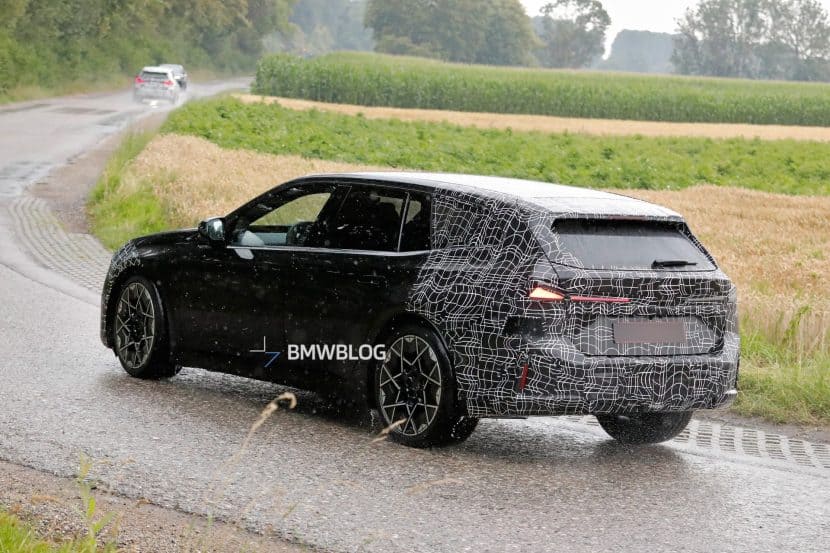
The i3 sedan has also enjoyed a robust start, with BMW boosting preorders by launching a First Edition prior to its planned introduction this fall. Moreover, the inaugural iX5 is on its way, while European clients are eagerly awaiting the i3 Touring set for 2027. Even though the iX4 and i4 Convertible may not dramatically affect sales, they remain significant.
Full-sized electric models like the i7 facelift and next year’s iX7 are not expected to be high-volume sellers due to their premium pricing. The anticipated iX6, expected in 2028, is predicted to follow this pattern. Meanwhile, the Life Cycle Impulse for the i5 lineup, expected in 2027, should assist in driving the ambitious 2030 objective.
Essential for wider EV adoption will be the forthcoming next-gen iX1, launching next year, alongside the much-anticipated i1 hatchback and i2 sedan (excluding Gran Coupe) anticipated later. These entry-level EVs are expected to roll out around 2028 and will likely be the most affordable models from the BMW Group outside the MINI Cooper “J01.”
The rest
Summary of the Article
- The percentage of EVs in total BMW Group sales rose from 4.1% in 2021 to 17.9% in 2025.
- During the first half of 2026, EVs accounted for 17.7% of overall deliveries across BMW, MINI, and Rolls-Royce.
- By June, the three brands had sold a total of 148,664 fully electric vehicles, reflecting a 14.6% decrease.
BMW has consistently emphasized delivering a range of powertrain choices, from compact 1.5-liter three-cylinder gasoline engines to robust plug-in hybrid V8s. Historically, BMW has even provided a quad-turbo inline-six diesel in the M50d models and a V12 in the M760i. The i3 was distinguished by its range extender, which employed a motorcycle engine to create electricity for the battery. Looking ahead, a hydrogen-powered X5 is slated for release in 2028.
Nonetheless, the future is clearly tilting towards electric. Stricter emissions regulations are pushing automakers to roll out more EVs, and BMW has been enhancing its “i” lineup in recent times. The percentage of EVs in total BMW Group sales has jumped from merely 4.1% in 2021 to an anticipated 17.9% in 2025.
Despite this expansion, EV sales experienced a drop in the first half of 2026, decreasing by 14.6% to 148,664 vehicles, which represented 17.7% of total deliveries across BMW, MINI, and Rolls-Royce. Nonetheless, the 2030 target remains on track, with the company still targeting that half of its sales be entirely electric by the decade’s conclusion.
BMW Will Provide EVs Throughout All Segments by 2030
By 2030, BMW intends to have an EV in each segment that it operates within. However, significantly enhancing the percentage of electric vehicles in overall deliveries will pose challenges. The Neue Klasse will be crucial in propelling the zero-emissions agenda in the coming four years. There are encouraging signs, like the iX3 crossover approaching 100,000 orders shortly after its European rollout.
The i3 sedan has also enjoyed a robust start, with BMW boosting preorders by launching a First Edition prior to its planned introduction this fall. Moreover, the inaugural iX5 is on its way, while European clients are eagerly awaiting the i3 Touring set for 2027. Even though the iX4 and i4 Convertible may not dramatically affect sales, they remain significant.
Full-sized electric models like the i7 facelift and next year’s iX7 are not expected to be high-volume sellers due to their premium pricing. The anticipated iX6, expected in 2028, is predicted to follow this pattern. Meanwhile, the Life Cycle Impulse for the i5 lineup, expected in 2027, should assist in driving the ambitious 2030 objective.
Essential for wider EV adoption will be the forthcoming next-gen iX1, launching next year, alongside the much-anticipated i1 hatchback and i2 sedan (excluding Gran Coupe) anticipated later. These entry-level EVs are expected to roll out around 2028 and will likely be the most affordable models from the BMW Group outside the MINI Cooper “J01.”
The rest