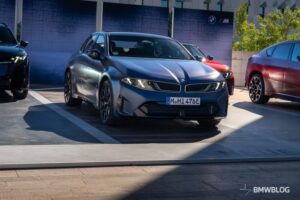
In an ironic twist of fate, BMW’s growing electric-car sales are helping keep its combustion engines alive. Strong demand for EVs gives the German automaker more flexibility to continue selling six-cylinder and V8 models in the Land Down Under. The two seemingly opposing strategies are working together, at least in Australia, where increasingly strict emissions regulations are pressuring automakers to lower their fleet averages.
Speaking to carsales, BMW Group Australia CEO Vikram Pawah explained that fully electric vehicles accounted for nearly 20% of the company’s local sales last year. That volume has helped offset the higher CO2 emissions from thirsty gasoline and diesel models, allowing BMW to maintain its extensive powertrain lineup without dropping any vehicles to meet regulatory requirements.
Australia’s New Vehicle Efficiency Standard (NVES) doesn’t flat-out prohibit the sale of combustion-powered vehicles. Instead, it establishes fleet-wide emissions targets and penalizes automakers when their average CO2 output exceeds the prescribed limits. Selling more zero-emissions vehicles therefore gives manufacturers additional room to offer models with larger engines.
BMW Is Giving People What They Want
BMW’s “Power of Choice” philosophy is proving particularly useful under these circumstances. The company wants customers to have access to gasoline, diesel, plug-in hybrid, and fully electric powertrains, often within the same model family. With the iX5 Hydrogen coming later this decade, BMW will add a fifth drivetrain to the X5 lineup.
“We can absolutely create that balance [of powertrains] as an organization, and that’s what we intend to keep,” Pawah told the Australian publication. The executive also dismissed the prospect of BMW Australia having to eliminate large engines or pass emissions-related costs directly onto customers through higher prices. Some electric versions already achieve take-up rates of between 35% and 40% in certain parts of the lineup, providing an even bigger buffer.
“At the moment, at BMW, we’re not so much worried about it,” he said.
BMW’s Six-Cylinder And V8 Engines Have A Future Beyond Australia
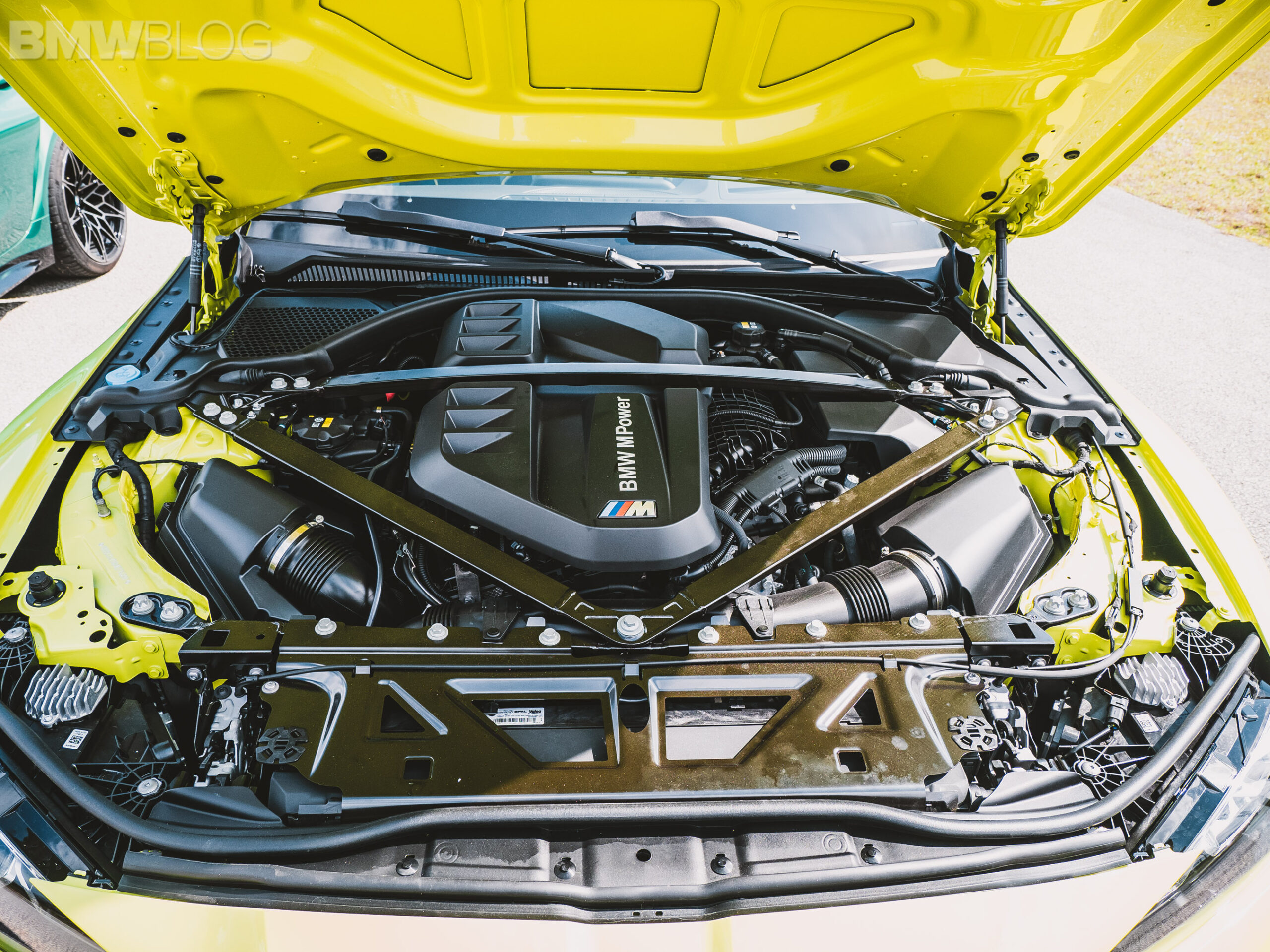
The good news isn’t limited to Australia. BMW M boss Frank van Meel has previously confirmed that the company is updating its inline-six and V8 engines to comply with Euro 7 emissions regulations, keeping both engine families alive well into the 2030s.
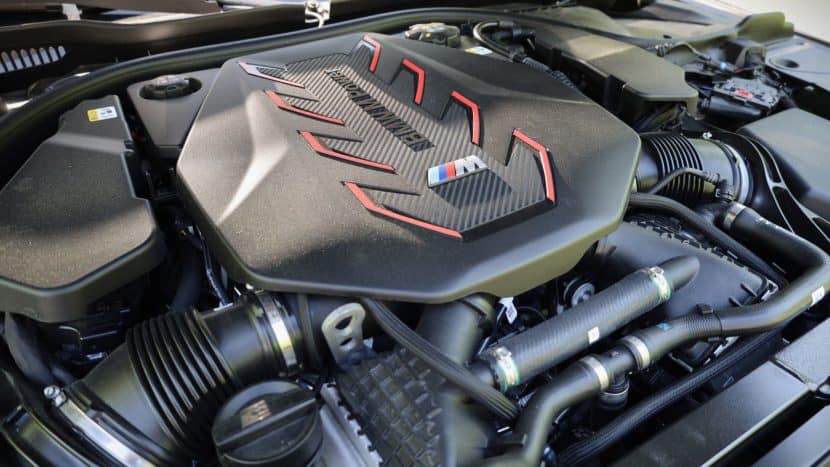
The revised 3.0-liter S58 for Europe’s M2, M3, and M4 uses BMW’s M Ignite technology, along with a higher compression ratio and variable-geometry turbochargers. Meanwhile, the 4.4-liter S68 V8 switches to the Miller combustion cycle and receives updates to its engine management and exhaust aftertreatment systems. Unfortunately, the eight-cylinder engine had to be detuned on the old continent in the M5 and XM to meet Euro 7, losing 41 horsepower in the process.
Plenty of upcoming models will keep traditional big engines relevant. The M350 gets the most powerful B58 inline-six yet, while the next M3 is expected to feature a mild-hybrid S58 when it arrives in 2028. Moving up the range, everything from the 5 Series onward still offers a choice between six and eight cylinders. Once BMW ALPINA fleshes out its lineup, even more models with large-displacement engines will join the portfolio.
Ultimately, the Australian situation illustrates why BMW’s decision to pursue multiple powertrain technologies makes sense. EV buyers are helping offset the emissions of customers who still want inline-six and V8-powered sports sedans, wagons, and SUVs. It’s an interesting twist in the transition to electric mobility: buying a zero-emissions car could help someone else keep their V8-powered one.
If only the V12 were still available in something other than a Rolls-Royce…
Source: Carsales
First published by https://www.bmwblog.com