September 27, 2026
BYD Shark 6 Affected in Australian Cybersecurity Evaluation
**BYD Shark 6 Vulnerabilities Uncovered in Australian Cybersecurity Review**A recent cybersecurity review carried out by Australian officials has revealed that the BYD Shark 6, a notable electric vehicle from the Chinese car manufacturer BYD, possesses critical weaknesses. This review has prompted worries regarding the security of connected cars and the associated risks they may present to consumers and national infrastructure.**Overview of BYD and the Shark 6 Model**BYD, an abbreviation for "Build Your Dreams," is a prominent Chinese producer of electric vehicles and battery technologies. The firm has earned global acclaim for its innovative methods in sustainable mobility. The Shark 6 stands as one of BYD's leading models, recognized for its cutting-edge technology, remarkable range, and cost-effectiveness. It is promoted as a smart vehicle, featuring various connected attributes intended to improve the driving experience.**Details of the Cybersecurity Review**The Australian cybersecurity review was part of an extensive program aimed at assessing the security of connected automobiles entering the Australian marketplace. This program seeks to guarantee that vehicles comply with rigorous cybersecurity regulations to shield consumers from possible threats.During the review, specialists identified multiple weaknesses within the Shark 6's software and communication frameworks. These weaknesses could potentially enable unauthorized entry into the vehicle's systems, leading to risks like data leaks, remote control of vehicle operations, and breaches of privacy.**Main Findings**1. **Outdated Encryption Protocols**: The review indicated that the encryption methods employed in the Shark 6's communication systems were obsolete and vulnerable to hacking. Such a flaw may permit attackers to eavesdrop on and alter data communicated between the vehicle and outside networks.2. **Inadequate Over-the-Air Updates Security**: The Shark 6's mechanism for over-the-air software updates was assessed as insufficiently safeguarded. This vulnerability could allow malicious individuals to introduce malicious software into the vehicle's systems, undermining its operation and safety.3. **Susceptible Infotainment System**: The vehicle's infotainment system, which connects with smartphones and various devices, was pinpointed as a possible gateway for cyberattacks. Exploiting this vulnerability could enable attackers to access personal information and manipulate specific vehicle functions.4. **Absence of Multi-Factor Authentication**: The lack of multi-factor authentication for critical vehicle system access was flagged as a notable security deficit. Integrating this security feature could assist in thwarting unauthorized access and bolstering overall vehicle security.**Consequences and Suggestions**The revelations from the Australian cybersecurity review carry significant ramifications for both BYD and the wider automotive sector. As vehicles evolve to be more interconnected, ensuring their cybersecurity is critical to protecting consumers and preserving public confidence.For BYD, resolving these vulnerabilities is vital for sustaining its reputation and viability in the international market. The company is anticipated to collaborate closely with cybersecurity professionals to design and implement strong security measures for the Shark 6 and its other models.Regulatory entities globally may also take these findings into account, potentially resulting in stricter cybersecurity regulations for connected vehicles. Manufacturers must prioritize cybersecurity in their design and development practices to align with these advancing standards.**Final Thoughts**The vulnerabilities identified in the BYD Shark 6 during the Australian cybersecurity review serve as a clear reminder of the necessity for strong cybersecurity protocols in contemporary vehicles. As the automotive sector continues to evolve and incorporate advanced technologies, ensuring the security of connected vehicles will be vital for protecting consumers and upholding the integrity of transportation systems.


**BYD Shark 6 Vulnerabilities Uncovered in Australian Cybersecurity Review**

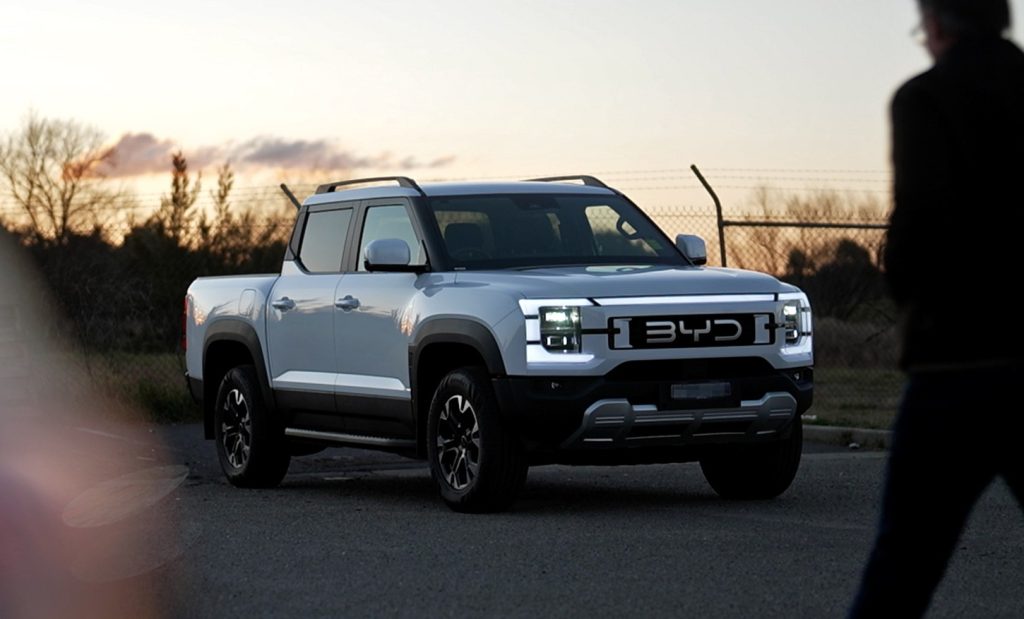
A recent cybersecurity review carried out by Australian officials has revealed that the BYD Shark 6, a notable electric vehicle from the Chinese car manufacturer BYD, possesses critical weaknesses. This review has prompted worries regarding the security of connected cars and the associated risks they may present to consumers and national infrastructure.

**Overview of BYD and the Shark 6 Model**

BYD, an abbreviation for “Build Your Dreams,” is a prominent Chinese producer of electric vehicles and battery technologies. The firm has earned global acclaim for its innovative methods in sustainable mobility. The Shark 6 stands as one of BYD’s leading models, recognized for its cutting-edge technology, remarkable range, and cost-effectiveness. It is promoted as a smart vehicle, featuring various connected attributes intended to improve the driving experience.

**Details of the Cybersecurity Review**

The Australian cybersecurity review was part of an extensive program aimed at assessing the security of connected automobiles entering the Australian marketplace. This program seeks to guarantee that vehicles comply with rigorous cybersecurity regulations to shield consumers from possible threats.

During the review, specialists identified multiple weaknesses within the Shark 6’s software and communication frameworks. These weaknesses could potentially enable unauthorized entry into the vehicle’s systems, leading to risks like data leaks, remote control of vehicle operations, and breaches of privacy.

**Main Findings**

1. **Outdated Encryption Protocols**: The review indicated that the encryption methods employed in the Shark 6’s communication systems were obsolete and vulnerable to hacking. Such a flaw may permit attackers to eavesdrop on and alter data communicated between the vehicle and outside networks.

2. **Inadequate Over-the-Air Updates Security**: The Shark 6’s mechanism for over-the-air software updates was assessed as insufficiently safeguarded. This vulnerability could allow malicious individuals to introduce malicious software into the vehicle’s systems, undermining its operation and safety.

3. **Susceptible Infotainment System**: The vehicle’s infotainment system, which connects with smartphones and various devices, was pinpointed as a possible gateway for cyberattacks. Exploiting this vulnerability could enable attackers to access personal information and manipulate specific vehicle functions.

4. **Absence of Multi-Factor Authentication**: The lack of multi-factor authentication for critical vehicle system access was flagged as a notable security deficit. Integrating this security feature could assist in thwarting unauthorized access and bolstering overall vehicle security.

**Consequences and Suggestions**

The revelations from the Australian cybersecurity review carry significant ramifications for both BYD and the wider automotive sector. As vehicles evolve to be more interconnected, ensuring their cybersecurity is critical to protecting consumers and preserving public confidence.

For BYD, resolving these vulnerabilities is vital for sustaining its reputation and viability in the international market. The company is anticipated to collaborate closely with cybersecurity professionals to design and implement strong security measures for the Shark 6 and its other models.

Regulatory entities globally may also take these findings into account, potentially resulting in stricter cybersecurity regulations for connected vehicles. Manufacturers must prioritize cybersecurity in their design and development practices to align with these advancing standards.

**Final Thoughts**

The vulnerabilities identified in the BYD Shark 6 during the Australian cybersecurity review serve as a clear reminder of the necessity for strong cybersecurity protocols in contemporary vehicles. As the automotive sector continues to evolve and incorporate advanced technologies, ensuring the security of connected vehicles will be vital for protecting consumers and upholding the integrity of transportation systems.