**Crucial Information Regarding Engine Blocks for Buyers of Used Cars**
When buying a used vehicle, it is essential to comprehend the state and specifications of the engine block. The engine block, frequently labeled as the “core” of the automobile, contains the cylinders and other key components that allow the engine to operate. Here’s what individuals interested in used cars should be aware of concerning engine blocks:
**1. What Constitutes an Engine Block?**
The engine block serves as the primary framework of an engine. It comprises the cylinders, which are the sections where fuel combustion takes place. The block also has channels for coolant and oil, both of which are vital for regulating the engine’s temperature and lubrication.
**2. Varieties of Engine Blocks:**
– **Inline:** Cylinders are positioned in a single line. Common in smaller vehicles due to their compact nature.
– **V-type:** Cylinders are organized in two banks creating a “V” configuration. This design is favored in larger automobiles due to its harmony of power and compactness.
– **Flat:** Cylinders are set horizontally, facilitating a lower center of gravity. Frequently found in performance cars.
**3. Materials Used:**
Engine blocks are commonly constructed from cast iron or aluminum:
– **Cast Iron:** Recognized for its durability and robustness, albeit heavier. Often seen in older or heavy-duty vehicles.
– **Aluminum:** Lighter, which can enhance fuel efficiency and handling. Standard in contemporary cars.
**4. Indications of Engine Block Problems:**
– **Leaks:** Coolant or oil leaks could suggest cracks or gasket malfunctions.
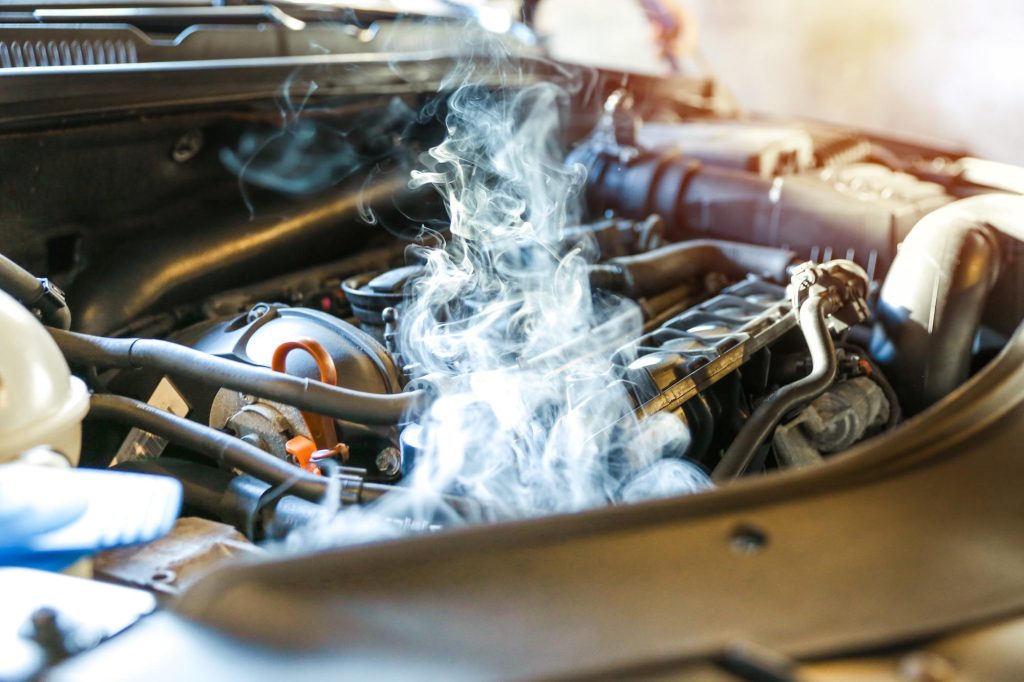
– **Overheating:** Continuous overheating might indicate block damage.
– **Strange Noises:** Knocking or tapping sounds can signify internal damage.
**5. Tips for Inspection:**
– **Visual Examination:** Check for evident cracks, corrosion, or leaks.
– **Compression Assessment:** Ensures cylinders are sealing appropriately and maintaining pressure.
– **Oil Examination:** Assessing oil condition can disclose internal wear or contamination.
**6. Significance of Maintenance Records:**
A well-cared-for engine block has the potential to endure for hundreds of thousands of miles. Request maintenance logs to confirm regular oil changes and coolant flushes, which are crucial for engine lifespan.
**7. Considerations for Rebuilt Engines:**
Certain used cars may feature rebuilt engines. Confirm that the rebuild was completed by a reputable mechanic, and ask about the components used and the warranty available.
**8. Professional Evaluation:**
Before finalizing a purchase, have a reliable mechanic evaluate the engine block. They can offer insights into the engine’s state and prospective future concerns.
Understanding the condition and specifications of the engine block can greatly influence a used car’s performance and durability. By focusing on these aspects, buyers can make well-informed choices and steer clear of expensive repairs later on.