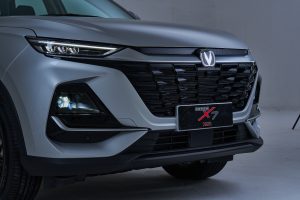

Title: Cutting-Edge Chinese Automotive Technology Echoing Science Fiction
In recent times, China has positioned itself as a dominant force in the auto sector, excelling not only in manufacturing capacity but also in technological advancement. Chinese automobile producers are exceeding the limits of what can be achieved, frequently designing vehicles that appear to have sprung directly from the pages of a science fiction story. Below are some of the most revolutionary technologies that are transforming the landscape of transportation.
1. Self-Driving Technologies:
Chinese firms such as Baidu and AutoX are leading the way in the development of self-driving technologies. Baidu’s Apollo platform, for instance, serves as an open-source autonomous driving system utilized by various car makers. These technologies deploy a blend of LiDAR, cameras, and radar to traverse intricate urban landscapes with minimal human involvement. The aim is to produce completely self-sufficient vehicles that can transport passengers securely without a driver, a notion that once belonged solely to science fiction.
2. Electric Vehicles (EVs) with Enhanced Range:
China is spearheading the electric vehicle movement. Firms like NIO and BYD are manufacturing EVs with remarkable range capabilities. NIO’s battery swap technology enables drivers to exchange depleted batteries for fully charged ones within minutes, tackling one of the primary issues of electric vehicle implementation: charging duration. This advancement mirrors the futuristic concept of instant energy replenishment.
3. Intelligent Cockpits with AI Integration:
The incorporation of artificial intelligence within vehicle interiors is revolutionizing the driving experience. Chinese automobile manufacturers are crafting intelligent cockpits outfitted with AI assistants capable of managing various vehicle functions, from navigation to climate regulation, through voice commands. These systems can adapt to the driver’s habits and preferences, offering a tailored experience akin to having a digital co-pilot.
4. Enhanced Connectivity and 5G Integration:
With the advent of 5G technology, Chinese automobiles are becoming increasingly interconnected. This connectivity facilitates real-time data transmission between vehicles and infrastructure, improving traffic management and safety. Features like vehicle-to-everything (V2X) communication allow cars to engage with traffic signals, other vehicles, and even pedestrians, fostering a fluid and efficient transportation network reminiscent of a sci-fi urban environment.
5. State-of-the-Art Design and Materials:
Chinese car manufacturers are also exploring innovative designs and materials. Concepts such as transparent displays, augmented reality dashboards, and lightweight composite materials are being integrated into vehicle aesthetics. These advancements not only enhance visual appeal but also improve functionality and efficiency, giving cars an appearance and feel fit for a futuristic setting.
6. Eco-Conscious and Sustainable Innovations:
In light of environmental issues, Chinese automobile makers are investing in green technologies. Ranging from solar-powered vehicles to automobiles constructed from biodegradable materials, these innovations seek to minimize the carbon emissions associated with transportation. These eco-conscious advancements resonate with the vision of a sustainable future often portrayed in science fiction.
In summary, the cutting-edge technologies emerging from China’s automotive sector are not merely changing how we drive but are also forging a path toward a future that once appeared to be relegated to the realm of science fiction. As these innovations continue to advance, they promise to enhance the safety, efficiency, and sustainability of transportation, ultimately redefining our world in ways we are just starting to envision.