**Fuel Crisis in KP Districts Causes Empty Pumps and Black Market Operations**
Recently, the Khyber Pakhtunkhwa (KP) province in Pakistan has faced a significant fuel crisis that has resulted in many districts having empty pumps and increased black market operations. This situation is a result of a mix of supply chain issues, regulatory obstacles, and economic conditions that have collectively strained the fuel supply in the region.
**Supply Chain Issues**
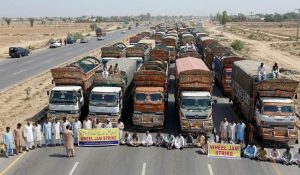
One major factor contributing to the fuel crisis in KP is the disruption of the supply chain. The movement of fuel from refineries to distribution sites has been hindered by logistical challenges, including road closures and transport delays. Moreover, recent flooding in some areas has worsened these difficulties, making timely deliveries of fuel tankers more challenging.
**Regulatory Obstacles**
Regulatory issues have also significantly impacted the ongoing fuel crisis. Insufficient coordination between federal and provincial agencies has resulted in delays regarding the approval of essential permits and licenses for fuel distribution. Additionally, strict regulations on fuel pricing have dissuaded suppliers from keeping sufficient stock, as they fear financial losses from fluctuating market prices.
**Economic Conditions**
The economic decline has further exacerbated the fuel shortage. The depreciation of the Pakistani rupee has raised the cost of fuel imports, leading to diminished purchasing power for local distributors. Rising global oil prices have also made it costlier for Pakistan to acquire fuel, putting additional pressure on an already limited supply.
**Effect on Daily Life**
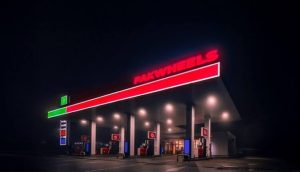
The fuel shortage has severely affected daily life in KP. Commuters are experiencing long lines at fuel stations, frequently waiting for hours only to discover that pumps are empty. Public transportation services are disrupted, causing inconvenience for those who depend on buses and vans for commuting. The shortage has similarly impacted businesses, especially in the logistics and transportation sectors, resulting in higher operational costs and decreased efficiency.
**Black Market Operations**
In reaction to the fuel scarcity, black market operations have surged in KP. Opportunistic individuals are taking advantage of the situation by hoarding fuel and selling it at inflated prices. This illegal commerce not only takes advantage of consumers but also undermines efforts to stabilize fuel supply. Authorities have struggled to combat this black market activity, with limited success due to the widespread nature of the issue.
**Government Measures**
The government has introduced several initiatives to tackle the fuel shortage, such as boosting imports, enhancing supply chain logistics, and cracking down on black market activities. Nonetheless, these measures have not yet produced significant outcomes, and the situation remains critical for many residents of KP.
**Final Thoughts**
The fuel shortage in KP districts is a complex crisis that necessitates a coordinated approach from both government and industry participants. Tackling the fundamental causes of the shortage, including supply chain disruptions and regulatory hurdles, is essential to securing a stable and dependable fuel supply for the region. In the interim, residents continue to face daily struggles with empty pumps and inflated black market rates, hoping for a prompt resolution to this urgent issue.