
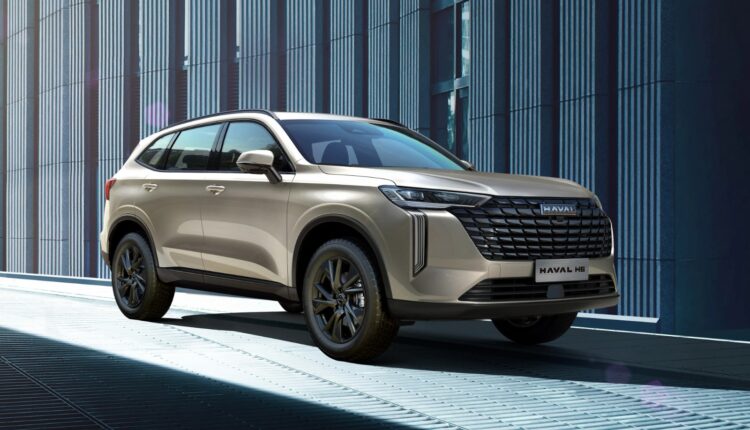
GWM Postpones Price Hike for Hybrid Models: A Tactical Decision in a Competitive Landscape
Great Wall Motors (GWM), a prominent Chinese car manufacturer, has recently revealed a postponement of the anticipated price increase for its hybrid models. This choice emerges in a swiftly transforming automotive landscape where consumer inclinations are progressively leaning towards more sustainable and fuel-efficient options. The postponement of price hikes is perceived as a tactical decision by GWM to preserve its competitive advantage and cater to a wider customer audience.
Background and Context
GWM, recognized for its inventive strategies and dedication to sustainability, has been pioneering the development of hybrid and electric vehicles. The firm has made substantial investments in research and development to create models that not only conform to but surpass global environmental regulations. As the appetite for hybrid vehicles escalates, GWM’s choice to delay price increases is likely shaped by various market factors.
Market Dynamics
1. **Rising Competition**: The international automotive marketplace is experiencing a rise in manufacturers providing hybrid and electric models. By postponing price hikes, GWM can enhance its competitiveness against brands that are aggressively pricing their hybrid offerings to gain market share.
2. **Consumer Interest**: With an increasing awareness of climate change and the advantages of minimizing carbon footprints, consumers are more likely to opt for hybrid vehicles. Maintaining stable prices may enhance GWM’s appeal to eco-conscious consumers.
3. **Economic Influences**: Inflation and disruptions in supply chains have affected production expenses throughout the automotive sector. Nonetheless, GWM’s choice to temporarily absorb these costs may be aimed at preserving sales volumes and customer loyalty amid unpredictable economic conditions.
4. **Regulatory Incentives**: Numerous governments globally are providing incentives for the acquisition of environmentally friendly vehicles. By keeping prices stable, GWM can capitalize on these incentives to increase sales without passing on extra costs to consumers.
Strategic Implications
The choice to postpone price increases for hybrid models is anticipated to yield multiple strategic ramifications for GWM:
– **Market Positioning**: By maintaining stable prices, GWM can position itself as a customer-focused brand prioritizing affordability and accessibility in the hybrid vehicle market.
– **Brand Loyalty**: Current customers may value the company’s initiative to keep prices unchanged, potentially resulting in enhanced brand loyalty and repeat purchases.
– **Sales Increase**: This strategy could lead to a temporary surge in sales as consumers seek to benefit from the current pricing ahead of any future hikes.
– **Long-term Insights**: GWM may utilize this interval to evaluate market responses and collect data to inform forthcoming pricing strategies and product innovations.
Conclusion
GWM’s decision to delay the price increase for its hybrid models demonstrates a sharp awareness of the prevailing market environment and consumer anticipations. By emphasizing affordability and retaining competitive pricing, GWM is strategically positioned to fortify its market presence and maintain its growth path in the hybrid vehicle arena. As the automotive industry undergoes further changes, GWM’s strategic decisions will likely be pivotal in determining its future achievements.