Title: Investigating Popular Cheating Methods in a Z32 Nissan 300ZX
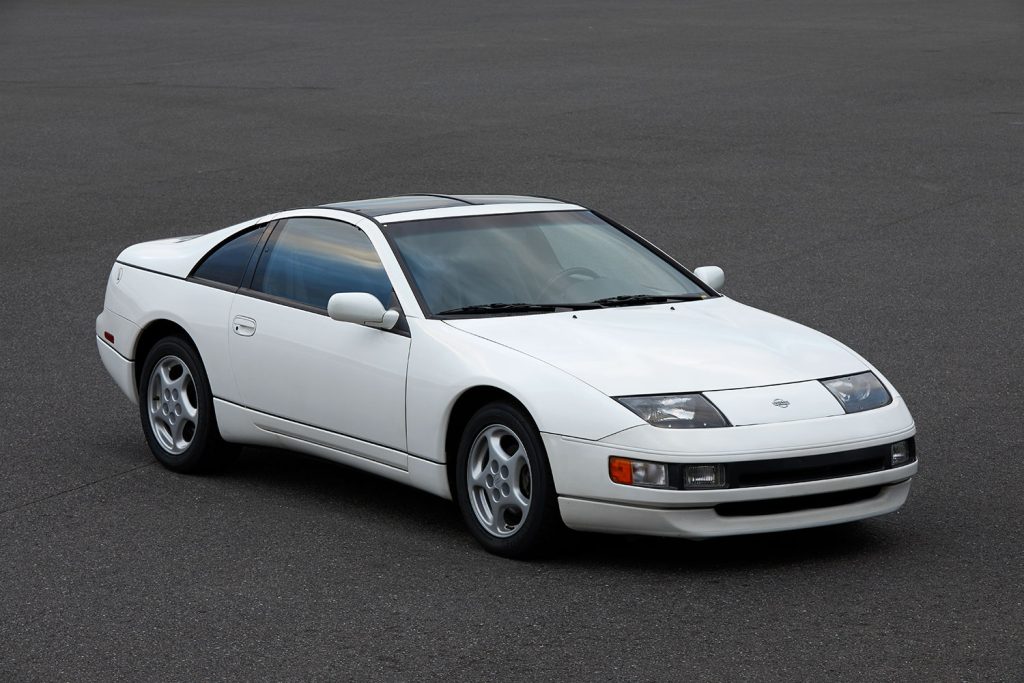
The Nissan 300ZX, especially the Z32 version manufactured between 1989 and 2000, is a cherished sports car recognized for its performance and elegant design. Yet, similar to many high-performance vehicles, some owners and fans have sought ways to boost its capabilities through various “cheating” methods. These approaches, while frequently debated, aim to unlock additional power, enhance handling, or achieve an advantage in competitive environments. Here, we delve into some prevalent cheating strategies linked to the Z32 Nissan 300ZX.
1. **ECU Tuning and Piggyback Systems:**
A highly favored approach to boosting the Z32’s performance is through ECU tuning. By reprogramming the engine control unit, owners can modify fuel maps, ignition timing, and boost pressures to elevate horsepower and torque. Piggyback systems, which operate in conjunction with the factory ECU, permit real-time modifications and are commonly utilized to circumvent factory restrictions.
2. **Boost Controllers:**
The Z32’s twin-turbocharged VG30DETT engine is very receptive to boost modifications. Installing a manual or electronic boost controller enables owners to increase turbocharger pressure beyond factory specifications, leading to considerable power enhancements. However, this technique can place stress on engine components if not handled correctly.
3. **Lightweight Components:**
Decreasing weight is a traditional strategy to enhance performance. Owners might substitute heavy stock components with lighter alternatives, such as carbon fiber body panels, aluminum flywheels, and lightweight wheels. While this isn’t “cheating” in the conventional sense, it can provide a competitive advantage in racing scenarios.
4. **Nitrous Oxide Systems:**
Nitrous oxide (NOS) systems are a prominent method for temporarily increasing engine power. By injecting nitrous oxide into the intake manifold, the engine can combust more fuel, resulting in a significant power boost. This strategy is often employed in drag racing but can be perilous if the engine isn’t adequately fortified to handle the additional strain.
5. **Bypassing Emissions Controls:**
Some owners may opt to bypass or eliminate emissions control systems, such as catalytic converters, to lower backpressure and enhance exhaust flow. While this can yield performance improvements, it is illegal in numerous areas and can lead to hefty fines and environmental damage.
6. **Suspension Modifications:**
To boost handling, Z32 owners might alter the suspension system by fitting stiffer springs, adjustable coilovers, or sway bars. These upgrades can enhance cornering performance and overall vehicle dynamics, providing an edge in track environments.
7. **Brake Upgrades:**
Enhancing the braking system with larger rotors, multi-piston calipers, and high-performance pads can increase stopping power and minimize fade during spirited driving or racing. This upgrade ensures the vehicle can safely manage increased speeds.
8. **Tire and Wheel Adjustments:**
Utilizing wider or stickier tires can greatly enhance traction and handling. Some enthusiasts may also choose larger wheels to fit bigger brakes or to modify the vehicle’s stance for improved aerodynamics.
While these methods can elevate the performance of a Z32 Nissan 300ZX, they frequently come with compromises regarding reliability, legality, and safety. It is essential for owners to thoroughly evaluate the ramifications of each modification and ensure that their vehicle remains roadworthy and adheres to local regulations. Whether for personal pleasure or competitive leverage, understanding these methods can assist enthusiasts in making well-informed choices about their Z32’s performance capabilities.