**Title: Petrol and Diesel Prices Lowered in Pakistan: A Relief for Consumers**
In a notable development for consumers throughout Pakistan, the government has declared a decrease in the prices of petrol and diesel. This action comes as a relief amid escalating inflation and economic difficulties confronting the nation. The choice to reduce fuel prices is anticipated to positively affect various sectors, including transportation, agriculture, and manufacturing, ultimately benefiting the general public.
**Details of the Price Decrease**
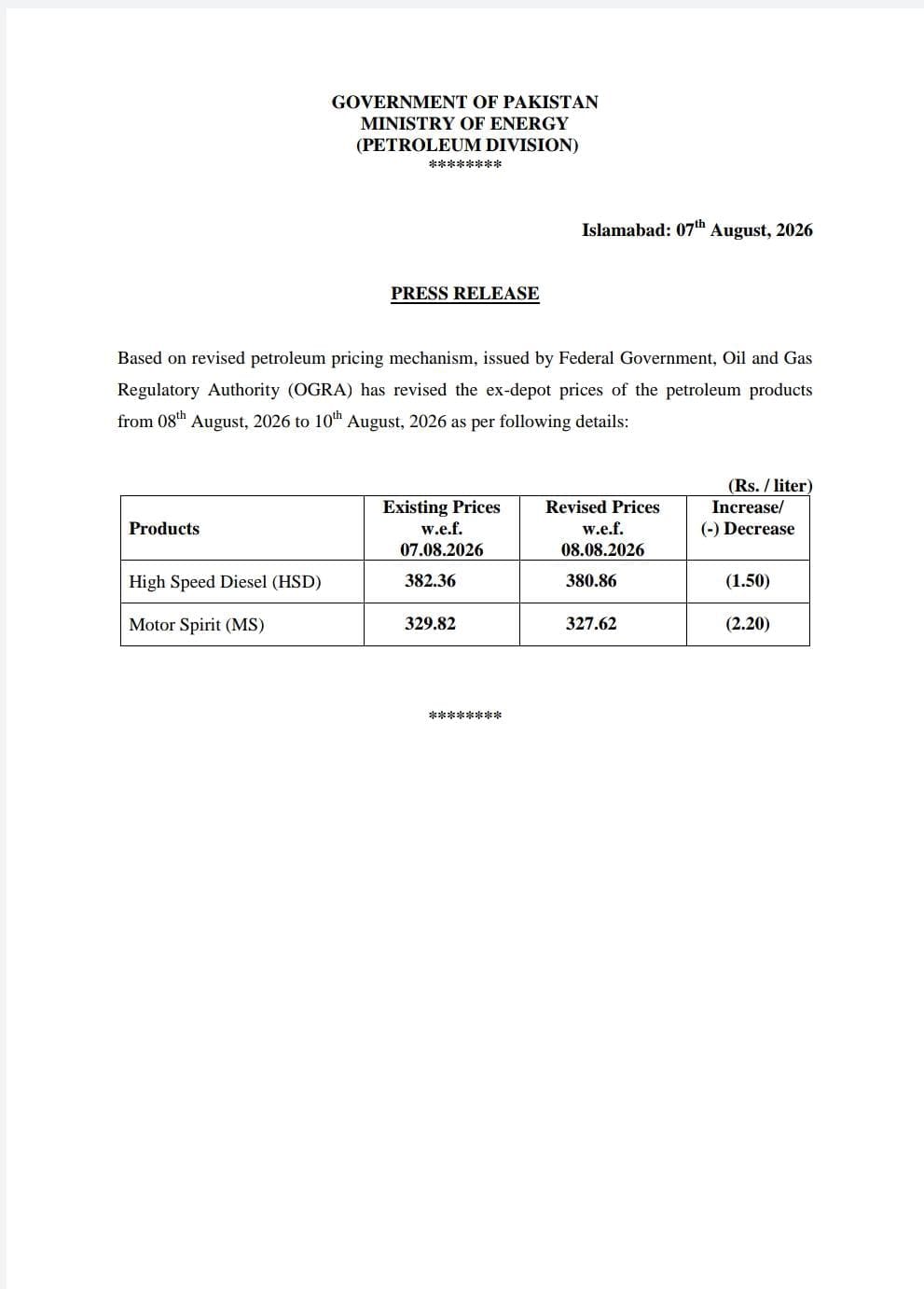
The government has lowered the price of petrol by PKR 8 per liter and diesel by PKR 5 per liter. This change is part of the government’s routine assessment of fuel prices, which considers global oil market dynamics and the exchange rate of the Pakistani rupee against the US dollar. The new prices are effective immediately and will apply at all fuel stations throughout the nation.
**Economic Impact**
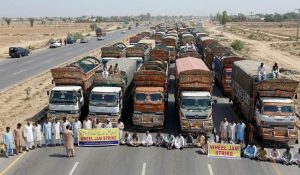
1. **Transportation Sector**: The decline in fuel prices is likely to reduce transportation costs, which represent a significant part of daily expenditures for many Pakistanis. Public transport providers may pass these savings to commuters, making travel more economical.
2. **Agriculture**: Diesel is an essential factor for the agricultural industry, used broadly in tractors and various farming machinery. Decreased diesel prices can lower cultivation costs, potentially resulting in lower food prices and enhanced profitability for farmers.
3. **Manufacturing and Industry**: Numerous industries depend on diesel-powered equipment. The reduction in diesel prices can reduce production expenses, possibly leading to more competitive pricing for goods and services.
4. **Inflation**: Fuel prices are a major contributor to inflation. By lowering petrol and diesel prices, the government seeks to mitigate inflationary pressures, offering some relief to consumers who have been facing rising costs of essential products.
**Government’s Justification**
The decision to cut fuel prices aligns with the government’s broader strategy to stabilize the economy and provide relief to citizens. By syncing domestic fuel prices with international trends, the government aims to guarantee that consumers benefit from variations in the global oil market. Furthermore, this initiative is viewed as a way to garner public support and tackle concerns regarding living costs.
**Challenges and Considerations**
While the reduction in fuel prices is welcomed, there are challenges that the government must address. The global oil market is unpredictable, and any increasing trend in international oil prices could require future price adjustments. Additionally, the government must balance the demand for affordable fuel with fiscal viability, as fuel subsidies can burden public finances.
**Conclusion**
The drop in petrol and diesel prices in Pakistan is a constructive measure towards alleviating the financial strain on consumers. It is anticipated to create a ripple effect across different sectors, contributing to economic stability and growth. However, the government must stay alert in observing global oil trends and managing the fiscal consequences of fuel pricing to secure long-term advantages for the economy and the public.