
Title: Effects of Recent Fuel Price Increases: Petrol Jumps by Rs 4, Diesel by Rs 3
Recent updates indicate that petrol and diesel prices have experienced a considerable rise, with petrol increasing by Rs 4 per liter and diesel by Rs 3 per liter. This escalation in fuel prices has raised considerable alarm among consumers, businesses, and policymakers, given the vital role these fuels play in both the economy and daily routines.
**Causes of the Price Surge:**
1. **Global Crude Oil Rates:** A leading factor behind the hike in petrol and diesel prices is the volatility in global crude oil rates. Elements such as geopolitical conflicts, production reductions by key oil-exporting nations, and heightened demand have all contributed to the elevation in crude oil prices, which in turn affects local fuel prices.
2. **Exchange Rate Variations:** The exchange rate between the national currency and the US dollar significantly influences fuel pricing. A weakened national currency increases the cost of imports, including crude oil, resulting in escalated fuel prices.
3. **Tax Policies:** Governmental taxes and duties on fuel substantially impact the retail price. Alterations in excise duties, VAT, or additional fees can provoke price changes. In certain scenarios, governments might raise taxes to enhance revenue, thus influencing fuel costs.
**Effects on the Economy and Consumers:**
1. **Inflationary Impacts:** The escalation in fuel prices is anticipated to exert inflationary pressure on the economy. The costs associated with transporting goods and services will rise, resulting in higher prices for essential items, placing stress on household finances.
2. **Transport Sector:** The transportation industry, which predominantly relies on diesel, faces augmented operational expenses. This may lead to elevated fares for public transportation and increased freight rates, impacting both passengers and businesses alike.
3. **Agricultural Industry:** Diesel is essential for agricultural activities, such as operating tractors and irrigation systems. Elevated diesel prices can lead to higher farming costs, potentially driving up food prices.
4. **Consumer Expenditure:** With rising fuel prices, consumers may find themselves with diminished disposable income for other purchases, negatively impacting sectors like retail, entertainment, and hospitality.
**Government Actions and Public Reaction:**
In light of the fuel price hikes, governments might explore various strategies to alleviate the burden on consumers. Options might include tax reductions, subsidy provisions, or the pursuit of alternative energy sources to lessen reliance on fossil fuels.
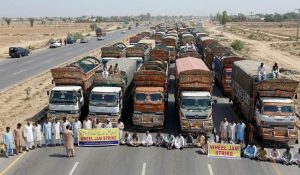
Public reaction to surging fuel prices often consists of demands for government action, demonstrations, and a growing interest in fuel-efficient vehicles or other modes of transport.
**Final Thoughts:**
The recent surge in petrol and diesel prices underscores the intricate interaction of global and domestic factors that shape fuel costs. While the immediate consequences are experienced by consumers and businesses, long-term remedies might entail policy reforms, investment in renewable energy, and efforts to stabilize the economy. As stakeholders confront these obstacles, the emphasis remains on achieving a balance between economic development and sustainable energy practices.