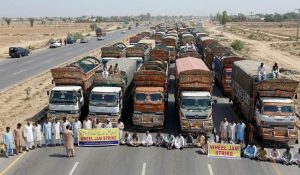

**Title: Effects of Recent Fuel Price Increase: Petrol Up by Rs 6, Diesel Up by Rs 7**
In the past few weeks, consumers have experienced a notable spike in fuel prices, with petrol increasing by Rs 6 per liter and diesel by Rs 7 per liter. This rise in fuel expenses has led to widespread unease among citizens, businesses, and policymakers, as it has significant implications for the economy and everyday life.
**Causes of the Price Increase**
Multiple factors have led to the recent surge in fuel prices. Worldwide, crude oil prices have been climbing due to geopolitical issues, production reductions by key oil-exporting nations, and a rise in demand as economies rebound from the downturn caused by the pandemic. Moreover, variations in currency exchange rates have also influenced the cost of importing crude oil, further complicating the matter.
On the home front, taxes and fees imposed by the government are critical in setting fuel prices. Excise taxes, value-added tax (VAT), and other charges make up a considerable part of the retail cost of petrol and diesel. Any changes to these taxes have a direct impact on the final amount consumers pay at the pump.
**Economic Consequences**
The increase in fuel prices creates a domino effect on the economy. Transportation expenses are directly affected, leading to higher costs for logistics and supply chain activities. This subsequently influences the prices of goods and services across a range of sectors, contributing to inflationary trends.
For the agricultural industry, which heavily depends on diesel for machinery and product transport, the price increase represents a serious challenge. Farmers could encounter higher production costs, potentially resulting in elevated prices for agricultural goods.
The transportation sector, including public transport providers, is also feeling the strain. Elevated fuel prices may lead to increased fares, impacting commuters and potentially making public transport less affordable.
**Effects on Consumers**
For the typical consumer, the hike in fuel prices translates to higher costs for commuting and transportation. Households might need to adjust their budgets to manage the elevated fuel costs, possibly reducing discretionary spending. This shift in spending habits can create a ripple effect throughout the wider economy, affecting sectors that depend on consumer expenditure.
**Government Actions and Strategies**
In light of the fuel price increase, there have been appeals for government intervention to provide relief to consumers. Suggestions include lowering excise duties and VAT on fuel, offering subsidies, or exploring alternative energy sources to lessen reliance on fossil fuels.
The government may also contemplate strategies to enhance fuel efficiency and promote the use of electric vehicles, which could help alleviate the effects of future fuel price volatility.
**Final Thoughts**
The recent rise in petrol and diesel prices highlights the intricate relationship between global and domestic elements affecting fuel costs. While the immediate consequences are experienced by consumers and businesses, the long-term effects call for strategic policy actions to ensure energy security and economic stability. As stakeholders address this challenging environment, a cooperative approach involving government, industry, and consumers will be essential in tackling the complex problems arising from increasing fuel prices.