
July 25, 2026
Punjab Enacts Policy for Disposing of Obsolete Vehicles
**Punjab Rolls Out Initiative for Disposing of Old Vehicles**In a pivotal step towards sustainable progress and ecological protection, the Punjab government has launched an exhaustive policy focused on the disposal of end-of-life vehicles (ELVs). This policy forms part of a larger effort to decrease pollution, encourage recycling, and promote safer roadways throughout the state.**Aim and Coverage**The main aim of the policy is to tackle the environmental and safety issues associated with aged and unfit vehicles. These vehicles, frequently past their functional lifespan, significantly contribute to air pollution due to poor fuel combustion and outdated emission protocols. Furthermore, they present safety hazards because of mechanical breakdowns and obsolete safety features.The policy focuses on vehicles that have reached the conclusion of their operational period, which is set at 15 years for private vehicles and 10 years for commercial vehicles. The initiative aligns with the central government's directives regarding vehicle disposal and seeks to establish a structured system for retiring old vehicles.**Major Aspects of the Policy**1. **Incentives for Vehicle Owners**: To motivate vehicle owners to willingly dispose of their old vehicles, the policy provides numerous incentives. These consist of discounts on new vehicle purchases, exemptions on registration fees, and tax reductions. Such initiatives are intended to alleviate the financial strain on vehicle owners and encourage the shift to newer, more efficient models.2. **Creation of Dismantling Centers**: The policy details the formation of authorized vehicle dismantling centers throughout the state. These centers will have the required infrastructure to disassemble vehicles in an eco-friendly way, ensuring the safe disposal of hazardous substances and efficient recovery of recyclable materials.3. **Oversight Framework**: A solid oversight framework will be established to regulate the disposal procedure. This includes the accreditation of dismantling centers, monitoring adherence to environmental regulations, and ensuring transparency during the disposal process. The framework will also encompass regular audits and inspections to uphold high operational standards.4. **Public Awareness Initiatives**: The government plans to initiate extensive public awareness campaigns aimed at informing citizens about the advantages of disposing of old vehicles. These campaigns will emphasize the environmental repercussions of ELVs and the benefits of switching to newer, cleaner alternatives.5. **Partnership with Industry Players**: The policy promotes collaboration among the government, car manufacturers, and recycling entities. This alliance aims to foster a circular economy where materials from scrapped vehicles are repurposed in the production of new vehicles, thereby lessening the demand for raw materials and curtailing waste.**Anticipated Results**The execution of the ELV disposal policy is expected to produce multiple positive effects. Firstly, it will bring about a considerable decline in vehicle emissions, leading to cleaner air and better public health. Secondly, the policy will boost economic development by generating jobs in the vehicle recycling and manufacturing industries. Finally, it will improve road safety by eliminating unfit vehicles from the streets.**Final Thoughts**Punjab's initiative for disposing of end-of-life vehicles represents a forward-thinking approach towards sustainable development. By addressing the environmental and safety dilemmas posed by aged vehicles, the policy not only aligns with national goals but also sets a benchmark for other regions to emulate. As the policy is implemented, it is expected to foster a cleaner, safer, and more sustainable transportation environment in Punjab.


**Punjab Rolls Out Initiative for Disposing of Old Vehicles**

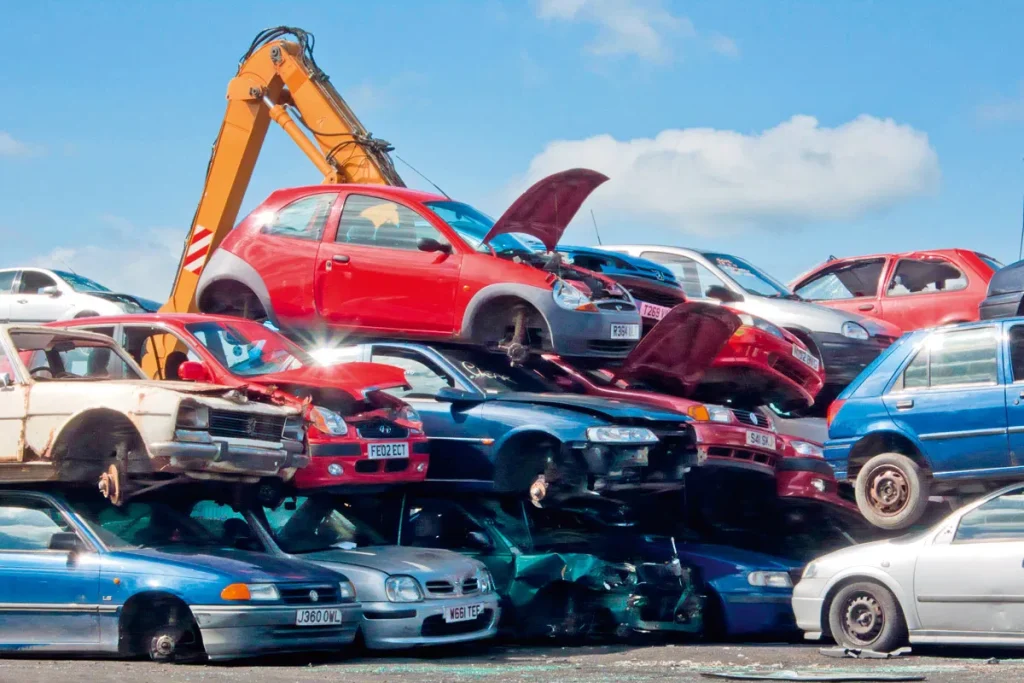
In a pivotal step towards sustainable progress and ecological protection, the Punjab government has launched an exhaustive policy focused on the disposal of end-of-life vehicles (ELVs). This policy forms part of a larger effort to decrease pollution, encourage recycling, and promote safer roadways throughout the state.

**Aim and Coverage**

The main aim of the policy is to tackle the environmental and safety issues associated with aged and unfit vehicles. These vehicles, frequently past their functional lifespan, significantly contribute to air pollution due to poor fuel combustion and outdated emission protocols. Furthermore, they present safety hazards because of mechanical breakdowns and obsolete safety features.

The policy focuses on vehicles that have reached the conclusion of their operational period, which is set at 15 years for private vehicles and 10 years for commercial vehicles. The initiative aligns with the central government’s directives regarding vehicle disposal and seeks to establish a structured system for retiring old vehicles.

**Major Aspects of the Policy**

1. **Incentives for Vehicle Owners**: To motivate vehicle owners to willingly dispose of their old vehicles, the policy provides numerous incentives. These consist of discounts on new vehicle purchases, exemptions on registration fees, and tax reductions. Such initiatives are intended to alleviate the financial strain on vehicle owners and encourage the shift to newer, more efficient models.

2. **Creation of Dismantling Centers**: The policy details the formation of authorized vehicle dismantling centers throughout the state. These centers will have the required infrastructure to disassemble vehicles in an eco-friendly way, ensuring the safe disposal of hazardous substances and efficient recovery of recyclable materials.

3. **Oversight Framework**: A solid oversight framework will be established to regulate the disposal procedure. This includes the accreditation of dismantling centers, monitoring adherence to environmental regulations, and ensuring transparency during the disposal process. The framework will also encompass regular audits and inspections to uphold high operational standards.

4. **Public Awareness Initiatives**: The government plans to initiate extensive public awareness campaigns aimed at informing citizens about the advantages of disposing of old vehicles. These campaigns will emphasize the environmental repercussions of ELVs and the benefits of switching to newer, cleaner alternatives.

5. **Partnership with Industry Players**: The policy promotes collaboration among the government, car manufacturers, and recycling entities. This alliance aims to foster a circular economy where materials from scrapped vehicles are repurposed in the production of new vehicles, thereby lessening the demand for raw materials and curtailing waste.

**Anticipated Results**

The execution of the ELV disposal policy is expected to produce multiple positive effects. Firstly, it will bring about a considerable decline in vehicle emissions, leading to cleaner air and better public health. Secondly, the policy will boost economic development by generating jobs in the vehicle recycling and manufacturing industries. Finally, it will improve road safety by eliminating unfit vehicles from the streets.

**Final Thoughts**

Punjab’s initiative for disposing of end-of-life vehicles represents a forward-thinking approach towards sustainable development. By addressing the environmental and safety dilemmas posed by aged vehicles, the policy not only aligns with national goals but also sets a benchmark for other regions to emulate. As the policy is implemented, it is expected to foster a cleaner, safer, and more sustainable transportation environment in Punjab.